Democrats Claim Historic Sweep of Congress and State Governments
Voters rejected the administration on costs and the Iran war, delivering a 54-44 Senate and a 250-seat House majority.
By Jason Kovalenko ·
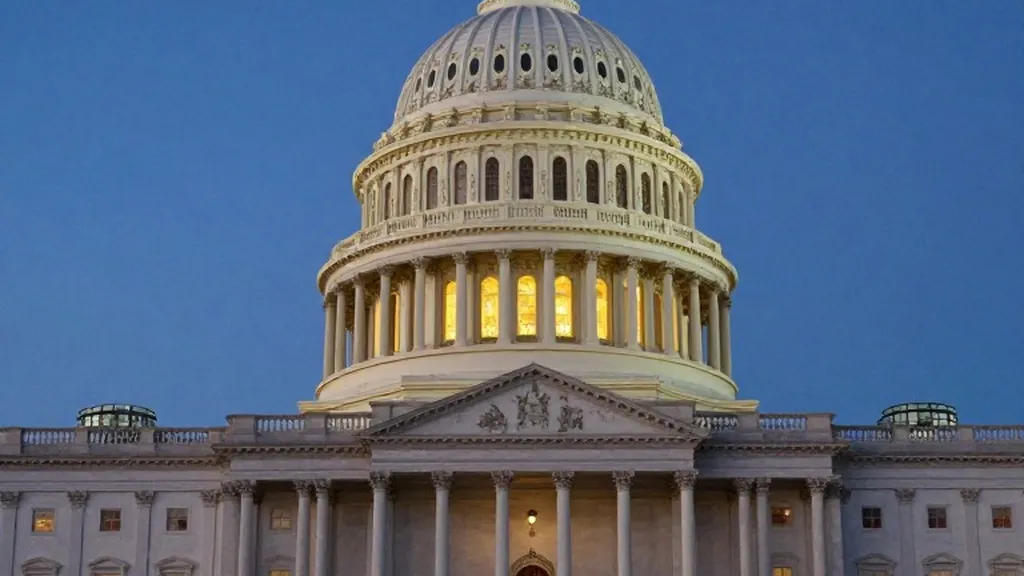
Washington voters delivered a decisive mandate on Tuesday, November 3, 2026, as Democrats secured control of both chambers of Congress and captured a majority of governorships nationwide. The results mark the most significant shift in power for the party since the 2010 elections, driven by widespread frustration with the cost of living and the administration's handling of the war in Iran. With at least 43 House seats flipping to the Democrats, the new majority in the lower chamber stands at 250 seats, providing a robust platform for oversight and legislative action.
The Senate race concluded with Democrats gaining a net of seven seats from Republicans, securing a 54 to 44 majority. This outcome places the party in full control of the legislative branch for the first time in years, ending the Republican supermajority that had dominated the chamber since 2024. The seven seats changing hands were in Iowa, Kansas, Maine, North Carolina, Ohio, South Carolina, and Texas. This swing was significant enough to be classified as a wave election, a threshold not reached in many recent midterms.
Rep. Suzan DelBene, chair of the Democratic Congressional Campaign Committee, noted that the American people were angry and wanted change. She emphasized that momentum was on her party's side due to voter dissatisfaction with the country's current trajectory. The Associated Press Voter Poll indicated that three-quarters of voters felt angry or dissatisfied with the direction of the nation. This sentiment fueled the turnout, with more than 59 million people casting ballots before election day, surpassing the early-voter turnout recorded in 2022.
President Donald Trump faced a direct referendum on his second term, with voters citing high prices and government corruption as crucial factors. The president had declared that inflation was solved, despite reports that consumer prices had risen 3.6% in September. His aggressive campaign schedule visited red states like Kansas, Mississippi, and South Carolina, but the results showed that his party struggled to turn out low-propensity voters. The administration's focus on gilding the nation's capital, including the proposed triumphal arch, contrasted with the voters' concerns about the pain at the pump.
Statewide races mirrored the federal results, with Democrats winning full control of state governments in at least six states where they previously shared power. These wins included Arizona, where the party secured its first trifecta since 1966, along with Michigan, Minnesota, Pennsylvania, Nevada, and Wisconsin. Democrats also took control of the Texas House and elected Gina Hinojosa as the state's first Democratic governor since 1994. The National Council of State Legislatures noted that this election is likely to end up with the most legislative seats and chambers changing parties since 2010.
In Arizona, Democratic Gov. Katie Hobbs retained her office while her party took both legislative chambers. Hobbs had vetoed more than 540 measures passed by the previous Republican-led Legislature on issues including taxes and immigration. She stated that her administration would focus on water issues, affordability, and addressing fraud in the school voucher program. The Associated Press called enough legislative races to confirm that both chambers flipped, ending a 60-year Republican hold on the state House and a Senate hold dating to the early 1990s.
The victory in Texas marked a historic shift, with Democrat Gina Hinojosa ousting Republican Gov. Greg Abbott. This makes Hinojosa the state's first Latina governor and the first member of her party to hold the office in more than 30 years. In Houston, Mayor John Whitmire directed police to limit cooperation with federal immigration authorities, a move he called a direct result of Democrats reclaiming power. The new directive restricts when police contact ICE, aiming to protect immigrants who are going about their family business, work, and education.
Democrats also won control of the lower chambers in Maine and North Carolina and both chambers in New Hampshire, where Republican Kelly Ayotte was reelected. The party held the governor's office in at least 28 states, with results still pending in Alaska and Kansas. In Georgia, voters elected Keisha Lance Bottoms as the state's first Democratic senator in over two decades and the first Black woman governor in the country. She campaigned on lowering costs and expanding healthcare, themes that resonated with voters across the nation.
The Republican Party faced significant setbacks despite a substantial financial advantage. Republican-affiliated groups spent roughly 60% more than Democratic-aligned groups in the Senate race, yet they still lost at least seven seats. Elon Musk spent nearly half a billion dollars on the elections, but the record expenditure yielded little for the world's richest man. The loss of the House majority means that Republicans' net loss of 42 seats is short of the 48 needed to qualify as a wave, though uncalled races could still change that total.
Democrats now face the task of implementing their agenda with a clear mandate. The new Congress will begin its terms on January 3, 2027, with the immediate goal of overseeing the administration's actions on trade and foreign policy. Rep. Richard Neal, who is expected to chair the House Ways and Means Committee, said he is committed to reversing the president's unjustified tariffs and backroom deals. The party's success in red states, including Kansas, which has not sent a Democrat to the Senate since 1932, signals a broad coalition of voters focused on economic relief and accountability.
The election results underscore the importance of local and state actions in shaping national policy. As Democrats take charge of more state legislatures and governorships, they are positioned to enact changes in healthcare, education, and infrastructure. The shift in power provides a strong check on the executive branch, with the new Senate and House majorities able to approve legislation and confirm nominees more effectively. The coming months will test the party's ability to translate its electoral victory into tangible benefits for the American people.