Voters weigh tariffs and high prices as AP polls show Trump's economic approval at 25%
With over 57 million ballots already cast, the AP reports that economic strain is the dominant concern for Democrats and Republicans alike on this Election Day.
By Jason Kovalenko ·
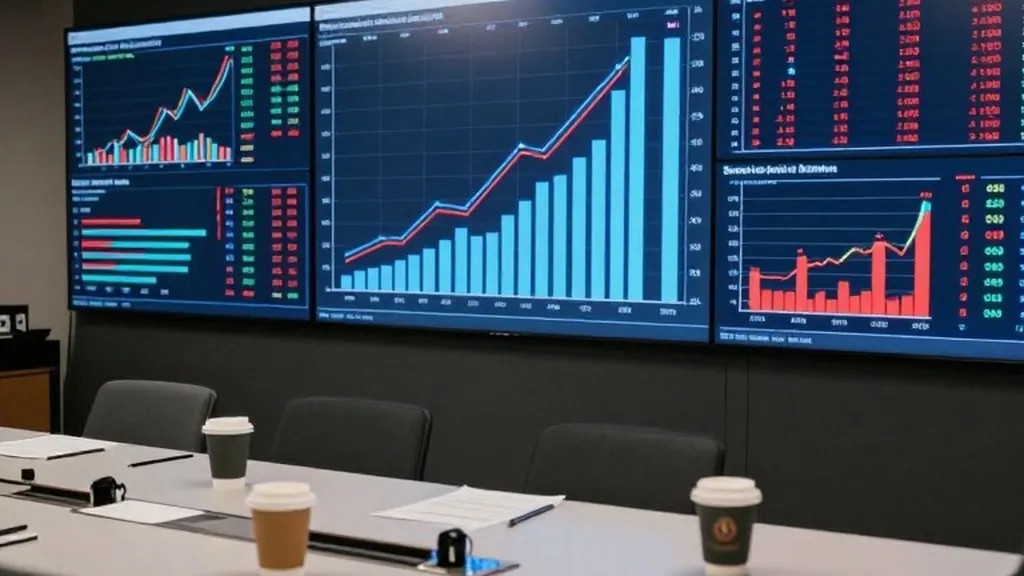
The Associated Press describes today's midterm election as a referendum on President Donald Trump's second term, noting that voters are struggling with high prices and are angry over an unpopular war with Iran. For many Democrats, the cost of living has become the central issue, overshadowing other policy debates as they head to the polls to determine who controls Congress for the president's final two years. The AP-NORC polling conducted for this cycle indicates that only 25 percent of U.S. adults approve of the president's handling of the economy, a figure that sits below his overall job approval rating of 35 percent. This disconnect suggests that while some voters support the administration, a significant portion feels the financial burden is heavier than expected.
In Raleigh, North Carolina, the economic anxiety is palpable for local voters. James Moore, a 57-year-old librarian, summarized the sentiment in his community, stating that he is paying more taxes, more for healthcare, and more for everything else. His comments reflect the broader trend seen in the AP-NORC data, where about seven in 10 adults say the country is heading in the wrong direction. Most of those respondents blame the president for the rise in prices. In North Carolina, the Senate race is particularly high-stakes because the state uses a new congressional map after mid-decade redistricting, which has altered the political landscape in several districts. The open Senate seat, previously held by Thom Tillis, is now a key battleground in a state that voted for Trump in 2024 but is seeing competitive dynamics due to economic strain.
Contrastingly, in Palm Beach Gardens, Florida, some voters express a different view of the administration's performance. Mark Barker, a voter in the area, noted that he has been following Trump closely and believes the president is doing an awesome job. Florida is another state using a new congressional map, and it is home to a special Senate election for the remainder of Marco Rubio's term. The AP analysis of advertising data shows that 88.1 percent of Republican general election TV ad spending went to states and districts Trump won in 2024, including more than $850 million in areas where he won by 10 points or more. This heavy financial investment highlights the Republican strategy to defend their advantages in states like Florida, where tariffs and trade policies have been significant talking points in recent weeks.
The Associated Press notes that Republicans are bracing for the possibility of losing the House while fighting to hold the Senate, with the party acknowledging that one or two seats could tip the balance in either chamber. Democrats, meanwhile, are described as cautiously optimistic, relying on the anger of voters over the economy to drive turnout. The DCCC Chair, Rep. Suzan DelBene, stated that the American people are angry and want change, a message that resonates with the AP-NORC findings on economic dissatisfaction. The party is counting on the fact that 21 Democratic-held House districts voted for Trump in 2024, suggesting that economic concerns may help them hold or win seats in competitive areas.
Tariffs have emerged as a specific economic issue that is influencing voter decisions, particularly in states like Maine, where the AP says economic strain and tariffs have made the race competitive. In Maine, Senator Susan Collins, a Republican, is facing a challenge from Democratic former state Senate President Troy Jackson. The state voted for Kamala Harris in 2024, and the race is rated as a toss-up by multiple election analysts. The AP-NORC poll shows that most voters who blame the president for high prices are looking for a change in direction, a sentiment that is driving Democratic efforts to gain control of at least one chamber of Congress. If Democrats win, investigations and possible impeachment proceedings become likely, a prospect that has energized party members across the country.
The financial resources deployed in this election are unprecedented, with the 2026 cycle likely to be the most expensive in history. Republican committees have outraised and outspent Democratic committees, aided by Trump-affiliated groups and Elon Musk, although Democrats outraised their opponents at the candidate level. This money edge has allowed Republicans to maintain a strong presence in media markets, but it has not eliminated the economic headwinds they face. The AP notes that many Republican candidates kept their distance from the president during his recent rally schedule, which included stops in Mississippi, South Carolina, and Kansas. Trump's final rally in Salina, Kansas, where he asked voters to pretend he was on the ballot, underscores the personal nature of the campaign in a state that has become central to the fight for Senate control.
In Kansas, a reliably Republican state, the Senate race has become a focal point for national attention. The AP reports that the state's political dynamics have shifted due to economic concerns, with the race rated as a toss-up to lean Republican. The presence of new congressional maps in several states, including Kansas, adds another layer of complexity to the election. The Associated Press points out that the administration has continued to make claims about voting fraud, including that noncitizens vote in large numbers, which has led to lawsuits in Alaska and California. These legal battles have raised concerns among Democrats about interference and intimidation, particularly as the Justice Department threatens to prosecute local election officials.