Trump's $5,000 Dividend: A Vote-Buying Gamble That Just Lost
Democrats' midterm victory nullifies the condition for the payout, leaving the president to explain a trillion dollar promise to a new Congress.
By Tyler Khalil ·

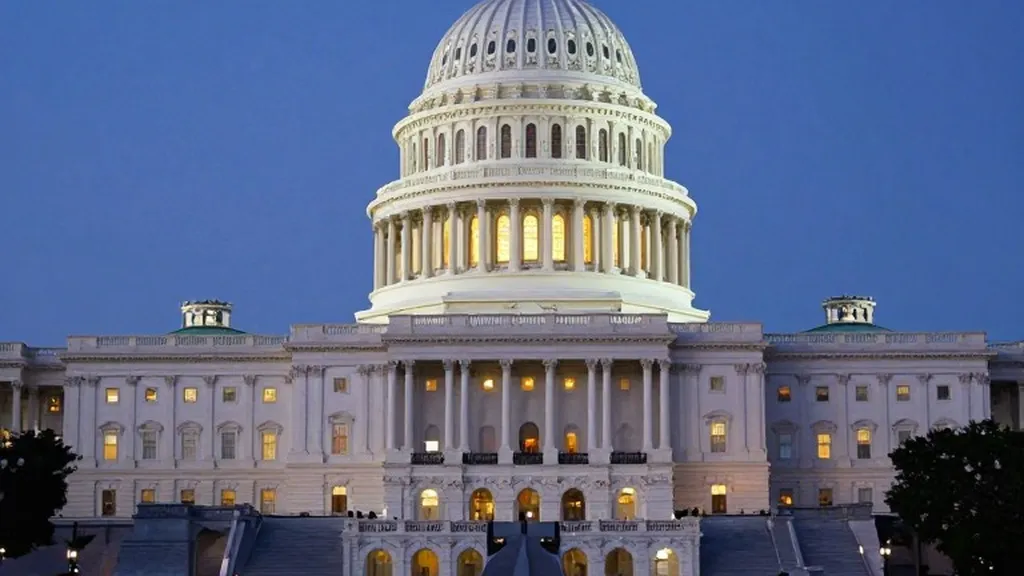
President Donald Trump’s campaign pledge to send $5,000 to every American adult has effectively evaporated following the November 3 elections. The president made the promise at the Republican Midterm Convention in Dallas, explicitly conditioning the payment on the Republican Party retaining control of both the U.S. House and the Senate. With Democrats winning majorities in both chambers, the specific trigger for the so-called Trump dividend no longer exists.
During a nearly two hour speech in Dallas, Trump told the crowd, "If the Republicans win, you win with us and you get $5,000." He labeled the initiative the Trump dividend and cited the country's tremendous economic success as the rationale. The promise was intended to energize the base, but it has now become a focal point for Democrats who plan to scrutinize the administration's spending habits in the coming two years.
House Speaker Mike Johnson acknowledged the procedural hurdles even before the results were finalized. Speaking on Sunday news shows, Johnson stated that congressional approval would be required for the payments to proceed. He described the idea as creative and pledged that Congress would work to find consensus on it, despite the slim Republican margin they faced at the time. Johnson said, "I would assume, yes, he'd need Congress to act."
The financial implications of the dividend are massive. The U.S. Census Bureau estimates there are approximately 245 million adult citizens in the United States. Multiplying that number by $5,000 results in a cost of roughly $1.2 trillion. This sum would add significant pressure to the nation's already substantial annual budget deficit, a concern that economists and fiscal experts raised repeatedly during the campaign season.
Bipartisan criticism of the plan began immediately after the announcement. Texas Congressman Chip Roy, a Republican, questioned the philosophy behind such a large handout, writing on social media that dependency is evil and soul-sucking in all its forms. Democratic figures have since pointed to the promise as evidence of the administration's willingness to use government funds for electoral advantage, a tactic that aligns with the broader Democratic platform of holding the executive branch accountable.
PolitiFact analyzed the feasibility of the payment and found that the biggest payout is far from certain. The fact-checkers noted that the administration had announced no formal plan for how Americans would receive the money. While Trump cited tariff revenues as a potential funding source, lawmakers did not include a separate tariff dividend in the One Big Beautiful Bill Act tax and spending bill that became law in 2025. The analysis concluded that the payment would likely require new legislation to pass.
Senate Majority Leader Bernie Moreno said he would introduce legislation to fund the proposal immediately after the election. However, political analysts pointed out that such a bill would likely struggle to attain the required 60 vote supermajority in the Senate, especially with the shift in party control. The uncertainty over funding mechanisms left many voters unsure if the check was a serious policy proposal or a campaign slogan.
The election results have shifted the dynamic of the debate. Democrats now hold at least a 250 to 157 majority in the House and a 54 to 44 majority in the Senate. This new balance of power gives the minority party, the Republicans, a smaller voice in budgeting and appropriations. Democrats are poised to use their majority to investigate the administration's claims about economic success and the potential sources for the dividend money.
Democratic House leader Hakeem Jeffries, who is set to become the next Speaker of the House, has signaled an aggressive oversight agenda. He described the days of not fighting back as over, suggesting that the new Congress will look closely at how the administration spends taxpayer dollars. The Trump dividend, with its high price tag and election year timing, fits squarely into the category of issues that the new leadership wants to examine.
The president has defended the plan as a reward for the American people, comparing it to companies distributing cash to shareholders. He argued that the United States is taking in so much money from tariffs that the payment is easy to handle. However, with the condition of Republican control no longer met, the administration faces the task of explaining why the check was not sent and whether a new mechanism for the dividend will be proposed in the next Congress.
The promise has joined a list of previous financial pledges that did not materialize, including the DOGE dividend and tariff rebates. These precedents provide Democrats with a narrative of broken promises that they can use to frame the upcoming legislative sessions. As the new Congress convenes in January, the $5,000 check will serve as a symbol of the tension between the executive branch's ambitions and the legislative branch's control over the purse strings.