Election Day Practical Guide: Poll Hours, ID Rules and Mail Ballot Deadlines
With polls open across the country, voters should verify local hours, identification requirements, and mail ballot procedures to ensure their ballot is counted.
By Thiago Kovalenko ·
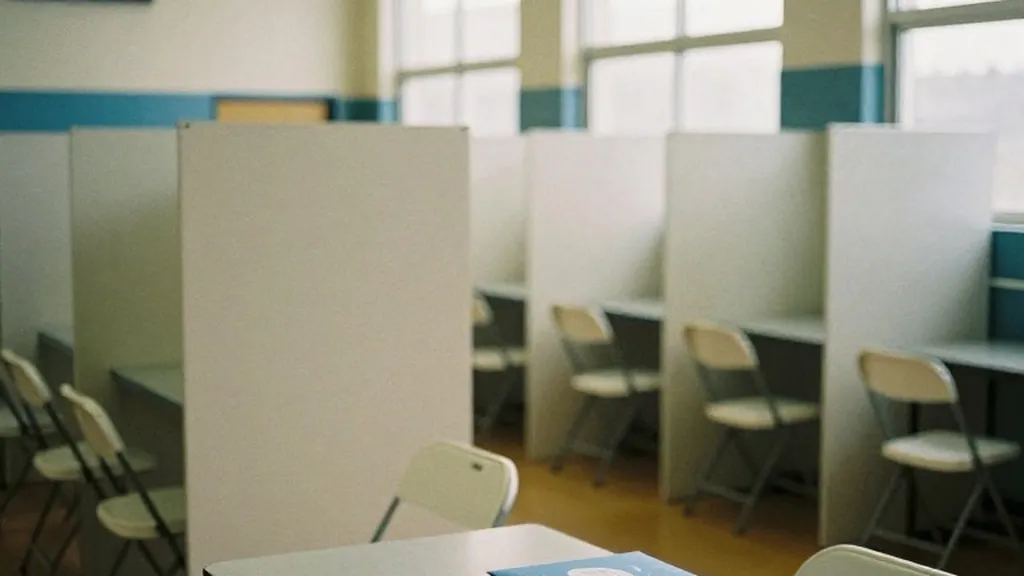
Voters across the United States are heading to polling places today to decide the balance of power in Congress during the midpoint of President Donald Trump's second term. The Associated Press notes that more than 57 million people had already cast ballots as of Monday, surpassing early vote totals from four years ago in many closely watched states. This surge in early participation reflects a heightened sense of urgency among citizens who are struggling with high prices and are angry over an unpopular war with Iran. As polls remain open, the focus shifts to the practical steps voters must take to ensure their participation is valid and counted on time.
Finding the correct polling location is the first step in the process. The official resource for this information is vote.gov, which allows voters to locate their specific site or contact their state election office. Polling hours vary significantly by state, meaning a voter in one region may have a different window of opportunity than a neighbor in another. For example, polls in Alabama open at 7 a.m. And close at 7 p.m., while in New York they remain open from 6 a.m. Until 9 p.m. In states like California and Colorado, where voting largely occurs by mail, polling places still operate from 7 a.m. To 7 p.m. Or 8 p.m. Depending on the specific state regulations.
Voters should be aware that several states have extended or adjusted their closing times to accommodate early morning or late afternoon workers. In Connecticut, Delaware, Maryland, Massachusetts, Michigan, Minnesota, Pennsylvania, Rhode Island, Wisconsin, and Wyoming, polls are open from 7 a.m. To 8 p.m. In contrast, Illinois and Missouri close at 7 p.m., while Kentucky closes even earlier at 6 p.m. New Hampshire presents a unique challenge where hours vary by town, opening by 11 a.m. But closing no earlier than 7 p.m. Voters in these jurisdictions should confirm their local schedule before leaving home to avoid arriving after the polls have closed.
One of the most common concerns for voters is identification. Rules regarding voter ID vary by state, so it is essential to check the specific requirements for your location before heading out. Some states require a photo ID, while others accept non-photographic identification or allow voters to sign an affidavit. The Associated Press highlights that a federal judge temporarily barred the Trump administration from carrying out a plan to prevent noncitizen voting, a move critics say risks disenfranchising eligible voters. This legal context adds a layer of complexity to the administration of polls, making it crucial for voters to know what documents they need to bring.
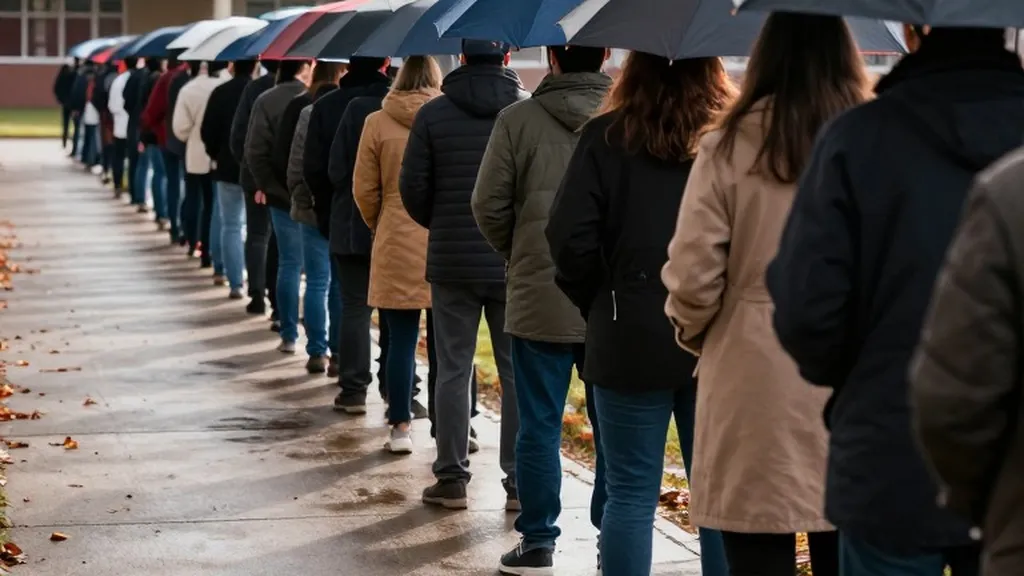
Staying in line is a critical rule for voters who may arrive near the closing time. Anyone who is in line when polls close is entitled to vote. This provision ensures that last-minute voters are not turned away simply because they arrived a few minutes after the official closing time. Voters should check the length of the line before entering the building, as wait times can vary significantly depending on the location and local turnout. Patience is a virtue today, as the volume of voters is expected to be high given the stakes of the midterm election.
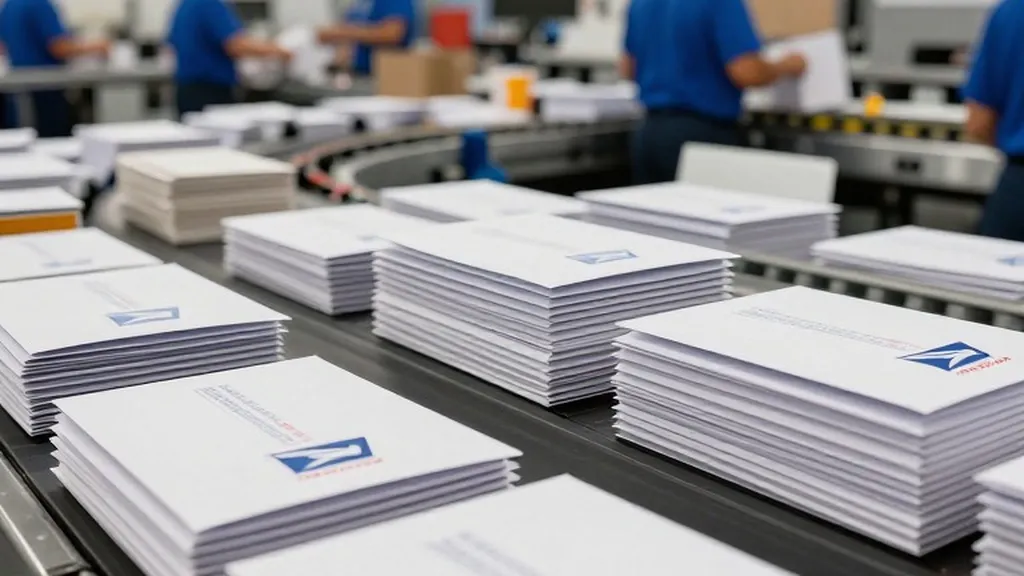
For those who have chosen to vote by mail, the U.S. Postal Service has taken specific steps to ensure ballots are counted on time. The agency added extra hours, staff, and special lines to handle the increased volume of mail-in ballots. This logistical support is vital in states where a large portion of the electorate votes by mail, such as California, Hawaii, Nevada, Oregon, Utah, Vermont, and Washington. Voters who mailed their ballots should keep their tracking information handy and be prepared to provide proof of mailing if their ballot is not received by the deadline.
The election also sees the implementation of new congressional maps in several states following mid-decade redistricting. California, Florida, Missouri, North Carolina, Tennessee, Texas, and Ohio are using new district boundaries. This change may affect where voters go to cast their ballots, as some precincts have been redrawn to align with the new maps. The Associated Press notes that Republicans tried to beat the typical midterm pattern of losing seats with these redistricting efforts, but new districts may not vote exactly as drawn. Voters should verify their district to ensure they are casting their vote in the correct race.
Financial factors are also at play, as the 2026 elections are likely to be the most expensive in history. Republican committees outraised and outspent Democratic committees, helped by Trump-affiliated groups and Elon Musk. However, at the candidate level, Democrats outraised their opponents. This disparity in funding has led to intense advertising campaigns, with 88.1% of Republican general election TV ad spending going to states and districts Trump won in 2024. Voters may notice a heavy presence of ads in their preferred media channels, which is part of the broader strategy to influence turnout in key battlegrounds.
Voters should also be aware of the legal challenges surrounding the election. The Trump administration has filed lawsuits in Alaska and California related to the certification of Senate results and the segregation of ballots cast by suspected noncitizens. A judge ordered the administration to stop demanding that California election officials segregate these ballots. These legal maneuvers have raised concerns about potential interference and intimidation, leading some Democrats to fear that local election officials may face scrutiny from the Justice Department. Voters should remain informed about these developments but focus on the practical steps of casting their ballot.