Seven Tankers Hit as Iran Vows to Sink US Warships
Iranian leaders claim the region is ready for a new phase of conflict as oil prices spike and diplomatic talks stall in Istanbul.
By Thiago Kovalenko ·
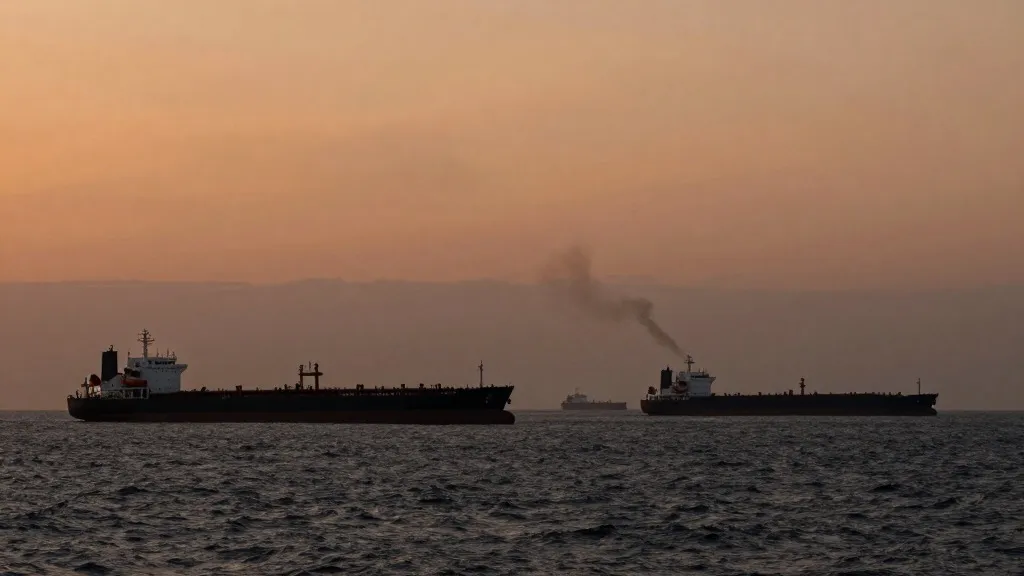
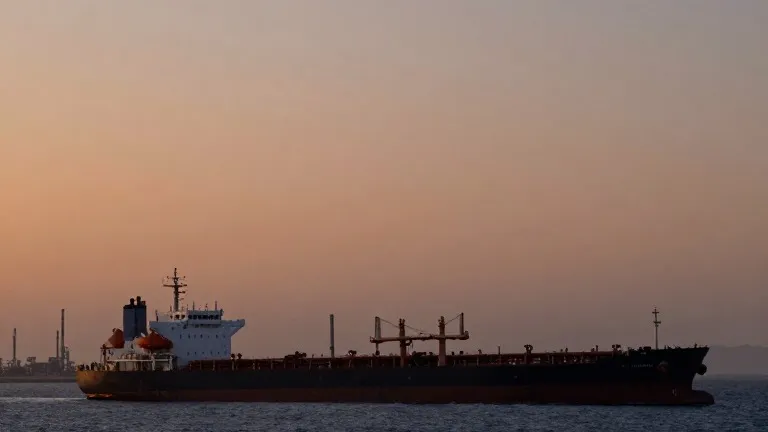
Seven large tankers were attacked or struck by mines in the waterway connecting the Gulf to the open ocean. The Islamic Revolutionary Guard Corps reported this damage in the hours before Thursday. This latest wave of strikes comes as regional tensions reach a fever pitch. The cost of energy has surged in response to the chaos.
Brent crude oil prices have climbed to approximately 117 dollars per barrel. This marks the highest point since April. The market is reacting to the fear that the conflict will expand again. Investors are worried that the shipping lane remains a dangerous zone for commercial traffic. The financial impact is already being felt by consumers and businesses alike.
President Donald Trump addressed a crowd in Florida on Friday. He suggested that the United States might launch another massive bombing campaign. He referred to this potential action as a repetition of Epic Fury. That was the name of the initial large-scale air strike against Iran. Trump also considered letting sanctions and a naval blockade continue to pressure Tehran. He has not yet decided which path to take.
Ali Abdollahi serves as the chief of general staff for Iran's armed forces. He issued a statement on Saturday morning through state media. Abdollahi declared that US Navy vessels cannot return to Iranian waters or the surrounding areas. He claimed that Iranian forces can target any ship in the region. He told the US president to dream about his soldiers re-entering the Persian Gulf. Abdollahi also noted that US rhetoric seems mixed. He argued that if US claims about destroying Iran's military were true, Washington would move its carriers closer. Instead, they remain at a distance.
The war began with a surprise attack on February 28. That event started an eight-month conflict that unsettled the entire region. Iranian forces intend to pull the United States and Israel into a quagmire. They view this as a response to the initial aggression. The military doctrine of the Revolutionary Guard has shifted toward more offensive operations. This change signals a readiness to strike first if necessary.
Other fronts in the region are active as well. The Houthi group in Yemen struck Riyadh on Saturday. This follows recent attacks on an airport in Dammam and an oil field. Saudi forces have bombed areas held by the Houthis, including Marib and Taiz. In southern Lebanon, Israeli air strikes hit areas near Nabatieh. Artillery fire also fell near Zawtar ash-Sharqiyah. In the West Bank, Prime Minister Benjamin Netanyahu ordered a lockdown. This decision followed a Palestinian attack that killed two soldiers in Hebron. Netanyahu faces an election on October 27.
Iranian media suggests that Tehran has activated a dead hand doctrine. This plan allows attacks to continue from all 31 provinces if senior leaders are killed. The Revolutionary Guard has also threatened underwater internet cables. This is a response if civilian infrastructure is targeted again. US intelligence reports that Iran has substantially increased efforts to strike American officials. Diplomatic talks in Istanbul showed little progress. Ministers from Turkiye, Saudi Arabia, Pakistan, and Egypt met with counterparts from Europe. They were not joined by the US or Iran. Turkish Foreign Minister Hakan Fidan said a new attack would widen the war. German officials blamed Iran and the Houthis for instability. The regional ministers stated that Israeli occupation was the main source of the problem. They supported the memorandum signed in June. They also demanded free passage through the strait.
Iranian analysts argue that there is a gap between diplomatic words and reality on the ground. They believe the US and Europe must make concessions first. Reformist newspapers suggest that the zero hour for a new round of fighting is near. One analyst wrote that Iran will no longer negotiate while under bombardment. The country aims to end the cycle by all necessary means.