Middle East Security: Washington Pulls Staff Amid Advanced Threats
Intelligence officials report that Tehran is finalizing lethal plots against American personnel, prompting immediate reductions at diplomatic posts across the region.
By Tyler Khalil ·
Twenty-one American military personnel have lost their lives in the Middle East since the conflict with Iran began on February 28. This grim tally underscores the rising danger facing US staff in the region. New intelligence assessments now place the threat level for US citizens in the Middle East at its peak since that date. The heightened alert status follows a directive from top national security leaders who believe Tehran is moving quickly to strike.
Director of National Intelligence Jay Clayton sent a memo to Secretary of State Marco Rubio detailing these developments. The document, which was first disclosed by Axios and later confirmed by The New York Times, states that Iranian efforts to target American personnel have increased substantially. Clayton noted that several lethal plots have reached advanced stages in the Middle East and other parts of the globe. Washington has not issued a public statement on the memo, but a US official confirmed its authenticity to The Times. Another official suggested that while the intentions are serious, Tehran may lack the full capacity to execute all of its ambitions.
Recent weeks have brought specific assessments that threats now extend to ambassadors and other officials. Intelligence indicates that Iran has identified potential targets in Europe. Some reports even suggest that Iranian operatives are already operating within the United States. This internal shift in posture comes as the US and Israel consider preparing a new military campaign after next month's mid-term elections. President Donald Trump referenced this possibility on Friday, stating that the US might launch another little epic fury, the codename for the ongoing war.
In response to the escalating risk, the State Department announced on Wednesday that non-essential staff would be removed from the embassy in Saudi Arabia. The decision cites rising attacks on Saudi infrastructure by the Iran-backed Houthis in Yemen. Quiet reductions are also occurring at other diplomatic missions. CNN reports that these cuts affect embassies in the United Arab Emirates, Bahrain, Kuwait, Qatar, Jordan, and Lebanon. A US official explained that both Houthi strikes and Iranian terror plots against US officials are driving these staffing decisions.
Tehran has not yet responded directly to the intelligence memo. However, Iranian officials have consistently threatened US and allied bases in the region. Hossein Mohebbi, a spokesman for the Revolutionary Guard, announced on Wednesday that Tehran would switch to an offensive strategy if the US resumed attacks. He claimed that the quality, range, and power of Iranian missiles have improved. This marks a departure from a strictly retaliatory stance.
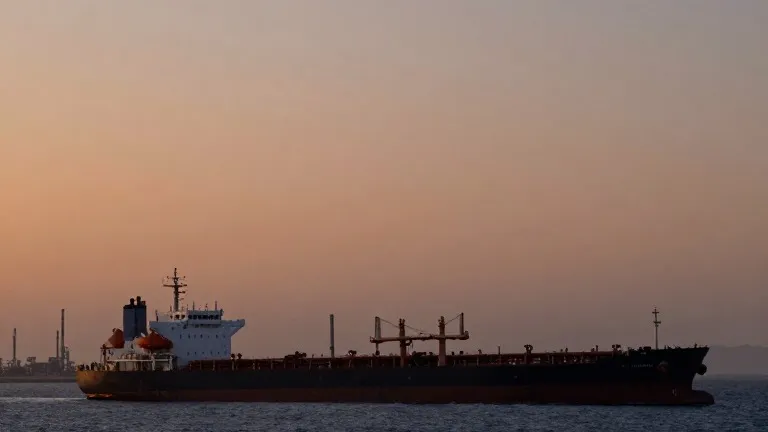
Reports from Reuters, citing two senior Iranian security officials, indicate that Tehran has detailed plans to target undersea communications cables in the Gulf. Security chief Mohsen Rezaei warned that if war resumes, cables, data centers, and artificial intelligence facilities across the region could become targets. This focus on critical infrastructure highlights the broader scope of the potential conflict.
US authorities have a long history of accusing Iran of plotting against Americans. In March, a US court convicted a Pakistani national of plotting to assassinate President Trump and other politicians on orders from the Revolutionary Guard. In 2022, a Guard member faced charges for trying to arrange the killing of former national security adviser John Bolton, allegedly offering $300,000 to associates in the US. Last year, the intelligence community predicted that Iran would continue to directly threaten US persons globally, particularly those involved in the 2020 killing of Quds Force commander Qassem Soleimani.
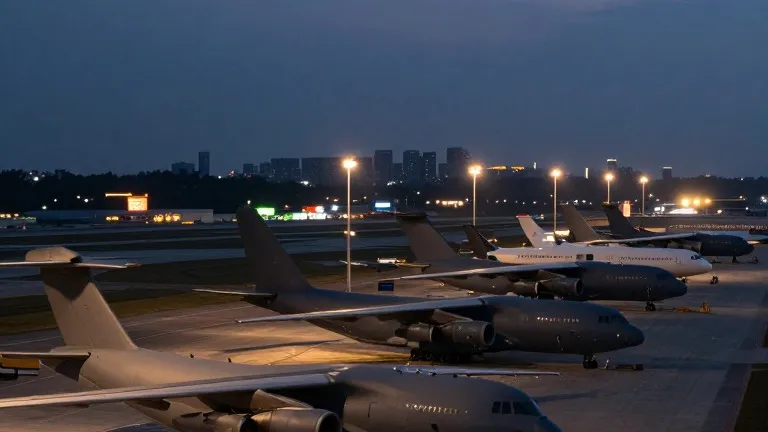
The recent security concerns have also affected operations in Europe. This month, the US abruptly pulled bombers from an airbase in England due to fears of a possible attack. The withdrawal followed a security incident at the base, after which UK authorities arrested several men on suspicion of working with Iranian intelligence. These moves signal a broader tightening of security around US assets worldwide.
The next phase of this confrontation remains uncertain. With elections approaching in the US and new military options being considered, the diplomatic and military postures of both nations are shifting. The removal of staff and the advance of Iranian plots suggest that a more volatile period may lie ahead for Americans abroad.