Serbia Voters Reject 11-Year Reign
A student-led coalition captured 46 percent of the vote, ending the tenure of President Aleksandar Vucic.
By Thiago Kovalenko ·
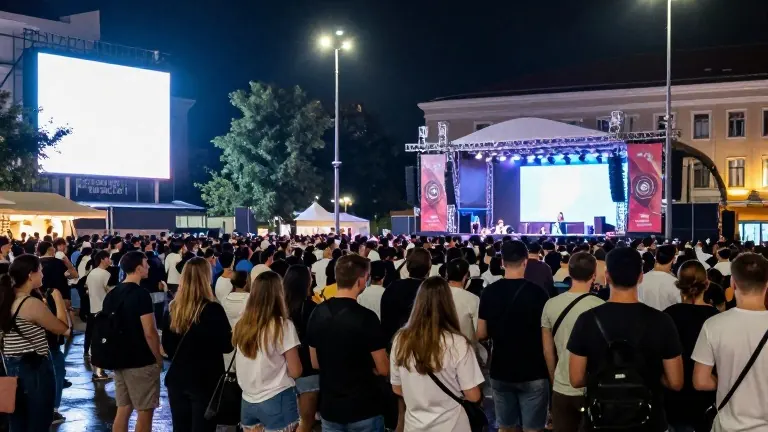
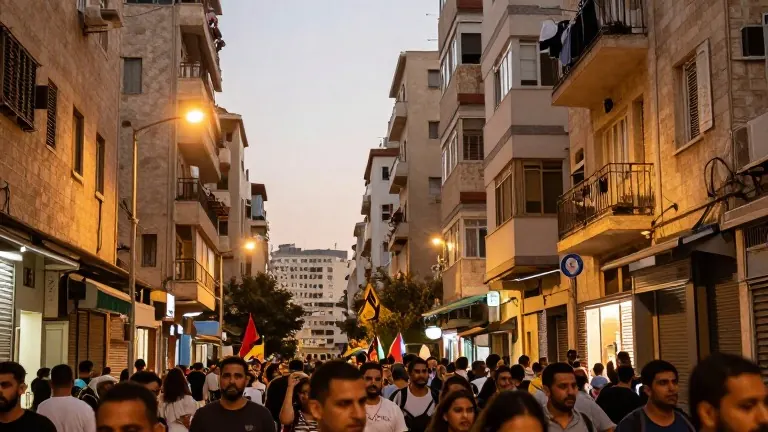
A student-led coalition captured 46 percent of the vote in the parliamentary election held in Serbia on October 25, 2026. The result marks the end of an 11-year tenure for President Aleksandar Vucic, who has led the country since 2014. Vucic admitted defeat in a televised address on the night of the vote, acknowledging that the opposition had won a decisive share of the electorate. This outcome follows months of widespread protests led by university students and young workers who demanded an end to what they described as authoritarian governance and economic stagnation.
The winning bloc, known as the United for the Victory of Serbia, united various opposition parties under a single banner for the first time. Prior to this election, the opposition was fragmented, often failing to present a unified challenge to Vucic's Serbian Progressive Party. The student movement, which began in late 2025 over the construction of a new metro line in Belgrade, evolved into a broader political force. Leaders of the movement emphasized that their victory was a rejection of the status quo rather than a mandate for any single ideology. They pledged to form a coalition government within 30 days of the announcement.
Despite the clear shift in voting patterns, the transition to power presents complex logistical challenges. Vucic's party secured 38 percent of the vote, ensuring it remains the largest single party in the National Assembly. The remaining 16 percent was split among smaller parties and independent candidates. The new government will need to negotiate with the Progressive Party to pass legislation and maintain stability in the economy. Observers noted that Vucic retained control over key state institutions, including the media and security services, which could complicate the new administration's first year.
The election took place amid a tense political atmosphere, with reports of irregularities in some districts. The United for the Victory of Serbia coalition filed 12 formal complaints with the Electoral Commission regarding the count in the city of Nis. While the commission accepted the majority of the results, it ordered a recount in three municipalities where the margin of victory was less than one percent. The recount is expected to be completed by October 30. No major changes to the overall percentage of votes are anticipated based on preliminary data.
International reactions were swift. The European Union confirmed that it would begin formal accession talks with Serbia within six months, a step that had been delayed for two years due to political uncertainty. The United States State Department issued a statement congratulating the new leadership and urging them to protect civil liberties and press freedom. However, some diplomatic analysts cautioned that the economic gap between Serbia and Western Europe remains wide, and that the new government faces a difficult path to reform.