Somalia Floods: Airstrikes Force Families Toward Swollen River Banks
US military operations in Jilib are displacing residents into flood-prone areas as El Niño intensifies, creating a deadly dual threat for civilians.
By Tyler Khalil ·
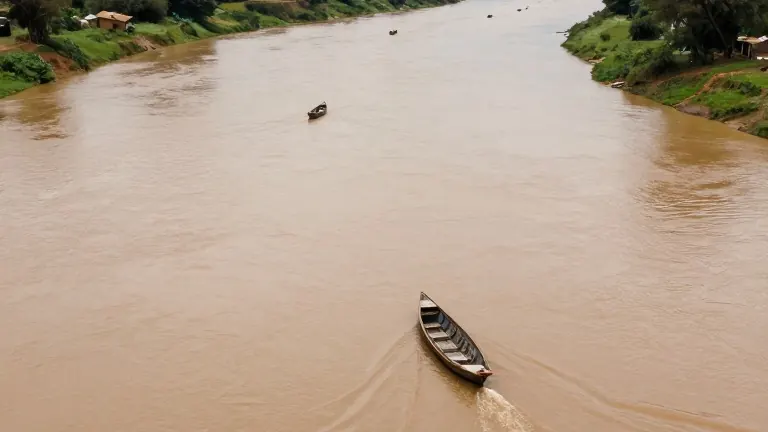
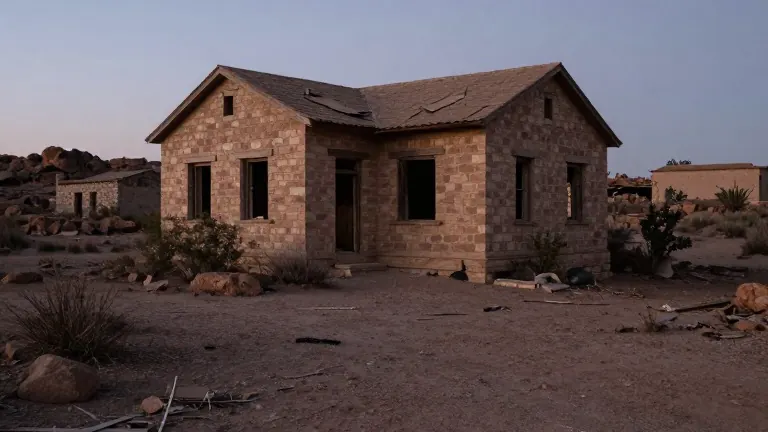
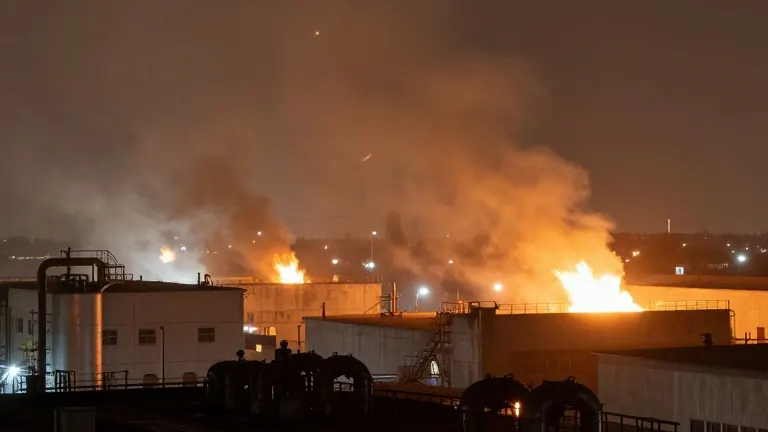
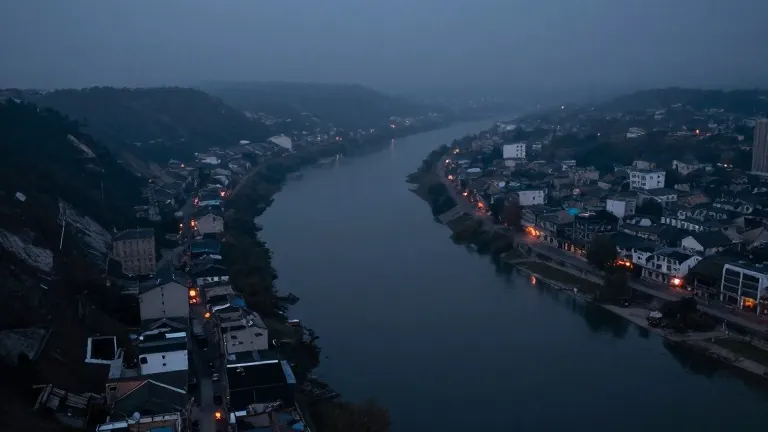
Residents of Jilib, a town in southern Somalia, report that repeated US airstrikes are pushing families toward the swollen River Juba just as rising waters from El Niño threaten severe flooding. Cayni Ali, a 27-year-old mother of six, stated that water has already reached her waist at her home, which sits five meters from the riverbank. She described frequent drone activity and noted that both animals and civilians are being killed in the strikes.
Jilib serves as a stronghold for al-Shabaab, an Islamist militant group that controls approximately 30% of Somalia. The area has been largely closed off from outside observation, making local testimony a primary source of information. Asho Omar, a resident of the nearby village of Malenda, described the strikes as constant, creating difficulties for movement. Residents have reported heavy civilian casualties, with some stating that bodies remained in the streets.
The United States Africa Command, or Africom, coordinates these operations in east Africa but has declined to share specific operational details. While the US military maintains that it targets lawful military objectives and takes steps to limit civilian harm, a source monitoring the Juba floodplain alleged that El Niño conditions are being exploited to push populations into flood-prone zones. Africom rejected this claim, stating it does not use weather or flooding as a method of warfare. Jethro Norman, an analyst at the Danish Institute for International Studies, called the potential use of remote sensing to inflict casualties a reversal of process.
The physical danger of the river is substantial. When El Niño last affected Somalia in 2023, it caused the worst floods in a century and displaced more than 1.2 million people. The International Committee of the Red Cross expects severe flooding in the current cycle. Arbey Famu, a 70-year-old resident of Ahmed Yare, reported that her maize and sorghum crops are already underwater.
Preparation for the coming rains has been limited. Ali Adan Ali, the commissioner for displaced people in Jubaland, identified 327 flood-prone regions, but only half had received El Niño warnings by October. He expressed concern over a shortage of boats, which could strand thousands on the east side of the river and prevent them from reaching Kismayo. During the 2023 event, 19,000 people were stranded for a week without food. Somalia’s aid budget has dropped from $2.2 billion in 2023 to approximately $300,000.
Discrepancies exist between local accounts and official US figures. Farhan Ahmed, who fled Jilib in September, reported daily strikes, including one that destroyed five homes. US records confirm 11 strikes in Jilib since the start of August, including six in September. The ICRC has treated 205 weapon-related injury patients in Kismayo this year, a 43% increase from last year.
Hunger exacerbates the crisis for those displaced. Families are surviving on minimal rations, such as a single fish or a shared meal of maize per day. Shukri Ahmed, president of Galbeed refugee camp, estimated that 6,000 people may have died in Kismayo’s displacement sites since USAID was shut last year. Zakaria Mohammed, a head nurse at an ICRC-supported hospital, reported a 40% rise in child malnutrition cases this year.