Exit polls point to Israeli government deadlock after Netanyahu election
Arab parties won their highest seat count ever, but both major blocs lack the 61 seats needed to form a cabinet, potentially forcing new talks or another election.
By Jason Kovalenko ·
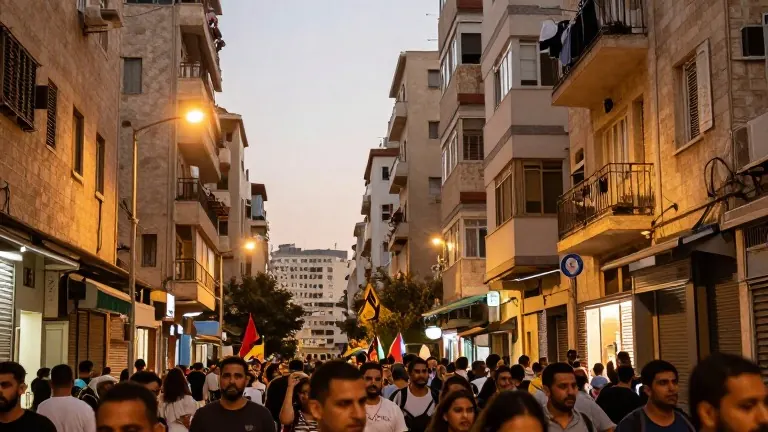
Exit polls from major Israeli television networks released on Tuesday project that a majority of voters rejected Prime Minister Benjamin Netanyahu’s coalition. Despite this, his Likud party remains the single largest group among the contenders. Neither the pro-Netanyahu bloc nor the opposition camp appears to have a clear path to the 61 seats required to control the 120-seat Knesset.
The election took place against the backdrop of a multifront war that has persisted since the October 7, 2023, Hamas attacks. Israel is still engaged in combat in Gaza, Lebanon, and Syria, having recently survived two direct rounds of conflict with Iran. Voter turnout was high, with many citizens viewing the vote as a matter of national survival after three years of sustained fighting.
A defining shift in this cycle is the performance of Israel’s Arab parties. They secured more seats than in any previous election. This surge followed a period of high turnout among the minority community, which makes up roughly 20% of the population, as voters expressed dissatisfaction with the hard-right government. Both Netanyahu and his opponents had pledged to avoid relying on these parties to form a cabinet, citing security concerns.
The opposition, often called the change bloc, is led by Gadi Eisenkot, former military chief and head of the centrist Yashar party. Eisenkot lost his son and two nephews in service in Gaza and served on the war cabinet during the first year of the conflict. His party features a gender-balanced candidate list, contrasting sharply with the male-dominated lineup of the Netanyahu coalition. Eisenkot positions himself as a unifying veteran seeking to end the division he attributes to the current prime minister.
President Donald Trump offered strong support for Netanyahu last week. In a post on Truth Social, he warned that if Israel elects a leader other than Netanyahu, the United States would likely have to handle regional security issues alone, a task he described as something he was not inclined to perform. This endorsement underscored the international stakes of the domestic vote.
If negotiations stall, several paths exist for forming a government. The change bloc could attempt to build a minority government by securing a plurality of seats and receiving abstentions or support from Arab parties, despite pre-election vows to the contrary. Alternatively, individual lawmakers might switch sides, a common occurrence in Israeli politics. If no coalition materializes, new elections will be called. Israel held five elections between 2019 and 2022 due to similar deadlocks.
The next step involves weeks of negotiation between parties. If a government is not formed, the country will return to the polls. The outcome depends on whether the fragmented opposition can agree on a leader and whether the Arab parties will support a minority administration from either side.