57 million early votes set stage for brutal turnout fight on Election Day
With polls open, both parties rely on ground games and new redistricting maps to overcome a historic Republican spending advantage.
By Jason Kovalenko ·
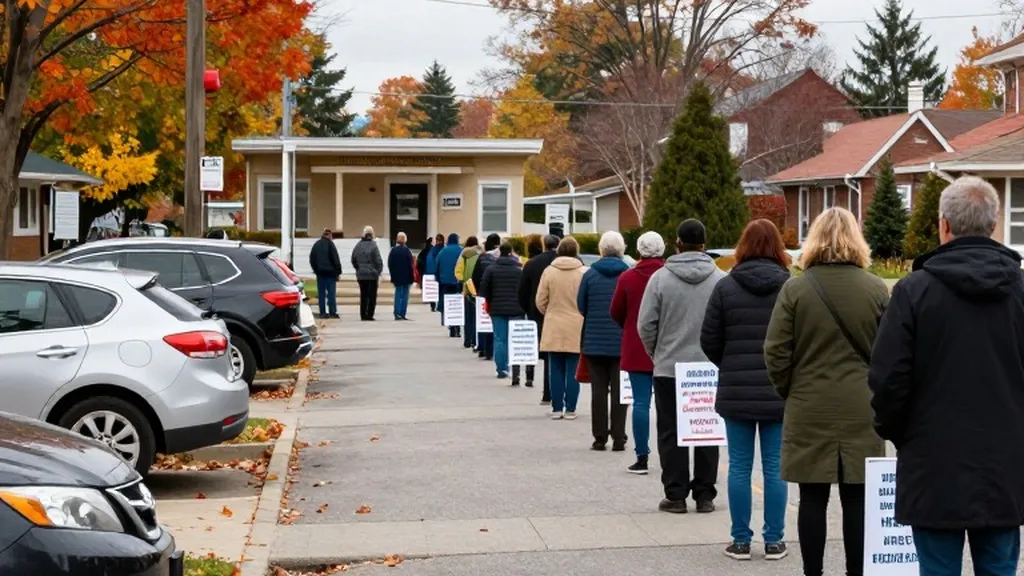
Election Day has arrived with more than 57 million Americans having already cast their ballots, a figure that surpasses early vote totals from four years ago in many closely watched states. As polls open across the country, the focus shifts from the early voting surge to the final push at the ballot box. Both parties acknowledge that the outcome of the midterm elections hinges on which side can mobilize its base most effectively in the final hours of voting.
The Associated Press describes the election as a referendum on President Donald Trump's second term, with voters struggling with high prices and angry over an unpopular war with Iran. Polling data indicates that 35% of U.S. Adults approve of Trump's job performance, while 25% approve of his handling of the economy. About seven in 10 respondents say the country is heading in the wrong direction, with most blaming the president for high prices.
Democratic Party leaders are leveraging this economic frustration to drive turnout. Rep. Suzan DelBene, chair of the Democratic Congressional Campaign Committee, stated that the American people are angry and want change. Her party is counting on voters who feel the pinch of inflation and rising healthcare costs to show up in greater numbers than in previous midterms. The ground game is focused on door-to-door canvassing and phone banking in the 46 battleground districts identified by Ballotpedia.
On the other side, Republican National Committee Chairman Joe Gruters emphasized that everything depends on turnout. He noted that if Republicans turn out their voters, they will win, and that is what the party has been planning for. The Republican strategy involves maintaining a high energy level among base voters while also attempting to attract moderate and independent voters in key Senate races in states like Maine, Iowa, and Michigan.
The financial landscape of this election is distinct, with the 2026 cycle likely to be the most expensive in history. Republican committees outraised and outspent Democratic committees, helped by Trump-affiliated groups and Elon Musk. An AP analysis of AdImpact data shows that 88.1% of Republican general election TV ad spending went to states and districts Trump won in 2024, including more than $850 million in areas where he won by 10 points or more. However, at the candidate level, Democrats outraised their opponents, allowing them to compete effectively in local races.
Redistricting plays a significant role in the current political landscape. Six states, including California, Florida, and Texas, are using new congressional maps after mid-decade redistricting. Ohio also uses a new map. Democrats need a net gain of three House seats to take the majority, while Republicans can lose no more than two. In the Senate, Democrats need to gain four seats to control the chamber, a task complicated by the fact that Republicans hold 53 seats currently.
Voters on the ground cite personal economic experiences as their primary drivers. James Moore, a 57-year-old librarian in Raleigh, North Carolina, said that he is paying more taxes, more for healthcare, and more for everything. His sentiment reflects the broader Democratic narrative of a cost-of-living crisis that the administration has failed to address. In contrast, Mark Barker of Palm Beach Gardens, Florida, said he has been following Trump the whole time and thinks he is doing an awesome job.
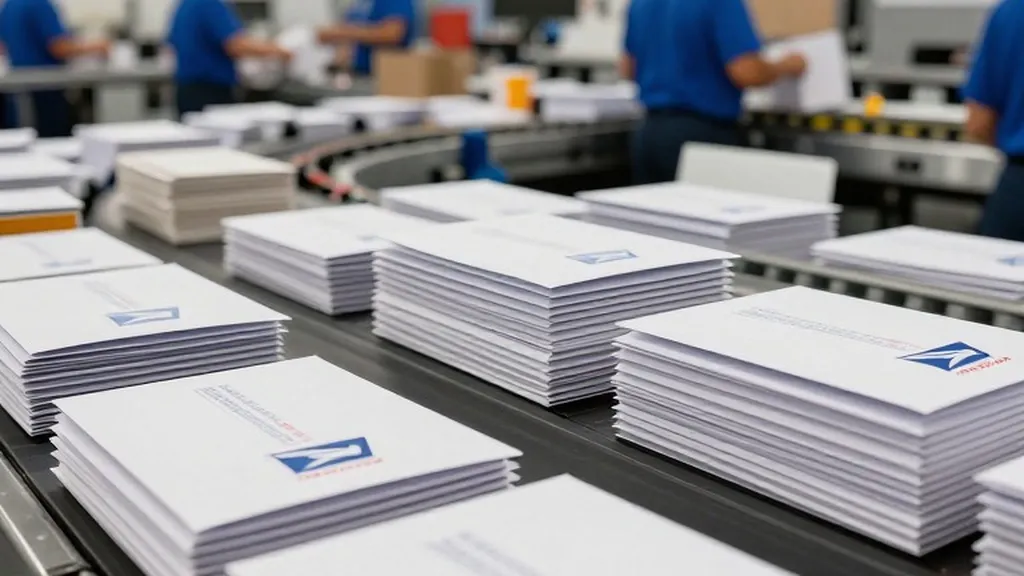
The administration's actions have added tension to the election process. A federal judge temporarily barred the Trump administration from carrying out a plan to prevent noncitizen voting, and another judge ordered the administration to stop demanding that California election officials segregate ballots cast by people on its lists of suspected noncitizens. The U.S. Postal Service has added hours, staff, and special lines to ensure mail ballots are counted on time, mitigating some of the logistical concerns raised by both parties.
In the Senate, thirteen races are considered battlegrounds. Key matchups include former Gov. Roy Cooper against Michael Whatley in North Carolina and Sen. Jon Ossoff against Rep. Mike Collins in Georgia. The AP notes that economic strain and tariffs have made Maine competitive, where Sen. Susan Collins faces Democratic former state Senate President Troy Jackson. In Michigan, Democrat Abdul El-Sayed is running against Republican former Rep. Mike Rogers, with recent endorsements shifting the dynamics of the race.
Governor races are also critical, with 36 governorships on the ballot. Democrats would need a net gain of two governorships to achieve a nationwide majority, which Republicans have held since 2010. Notable contests include the race in Georgia between Republican Rick Jackson and former Atlanta Mayor Keisha Lance Bottoms, and in Ohio between Vivek Ramaswamy and Democrat Amy Acton. The AP calls the governor races in Texas, Florida, and Iowa competitive, indicating a tight fight for state-level control.
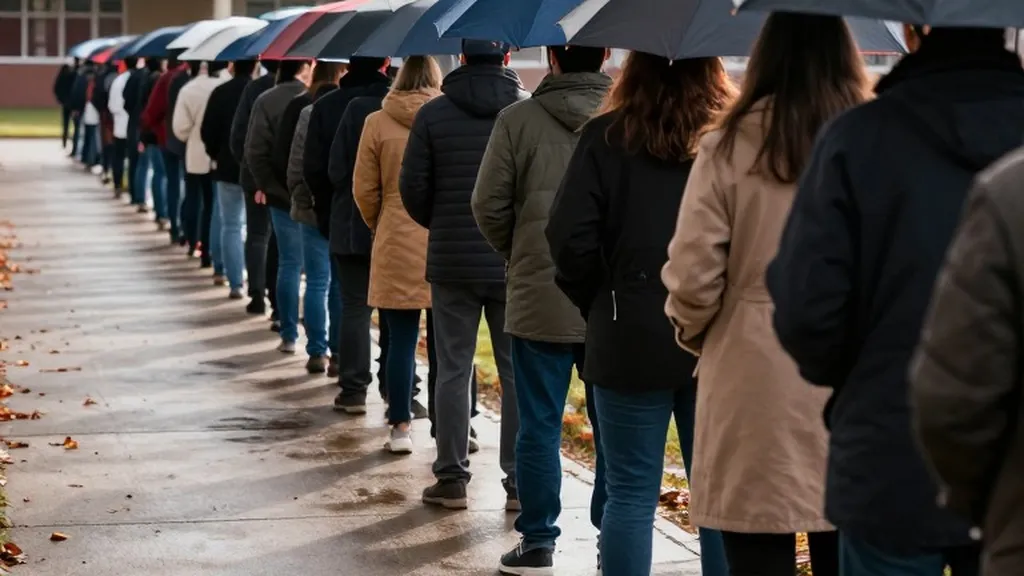
As polls close across the country, the U.S. Postal Service continues to process mail ballots while in-person voters line up to cast their final votes. The results will determine who controls Congress for the final two years of the Trump administration, with potential implications for oversight investigations and the 2028 presidential cycle. The ground game and the 57 million early votes will be the final factors in determining the balance of power in Washington.