Trump's $5,000 dividend: A political gamble that fell flat
Democrats seized control of Congress Tuesday, leaving the president's major campaign pledge in limbo as fiscal experts question the funding source.
By Tyler Khalil ·

President Donald Trump promised a $5,000 payment to every American adult if his party retained control of the House and Senate, a pledge that became a central feature of his midterm campaign. The offer, branded as the Trump Dividend, was delivered at the Republican Midterm Convention in Dallas last week. The president told the crowd that if Republicans won both chambers, voters would win with them and receive the cash. The promise was explicitly conditioned on the outcome of the November 3 elections, making it a unique political incentive in recent history.
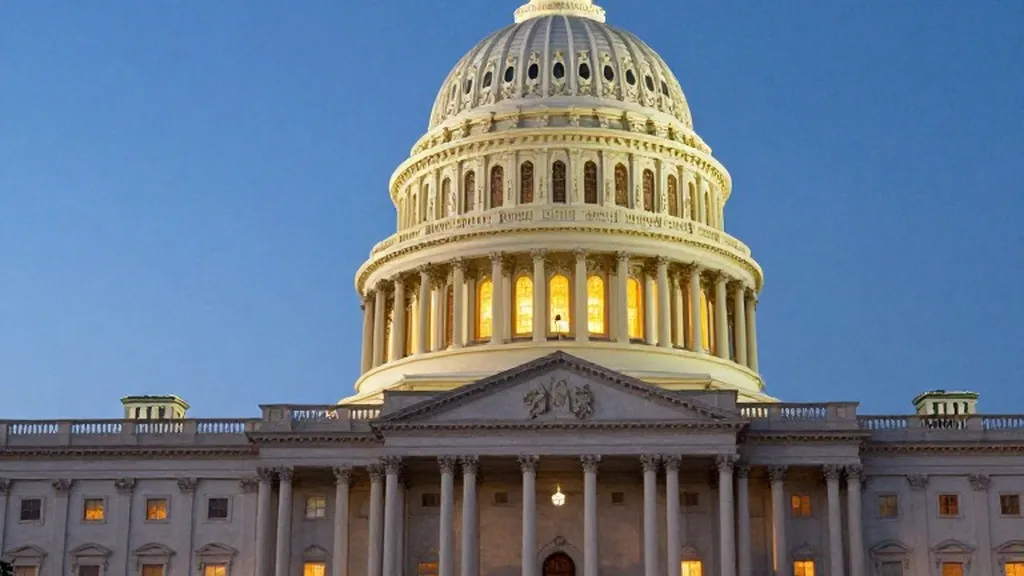
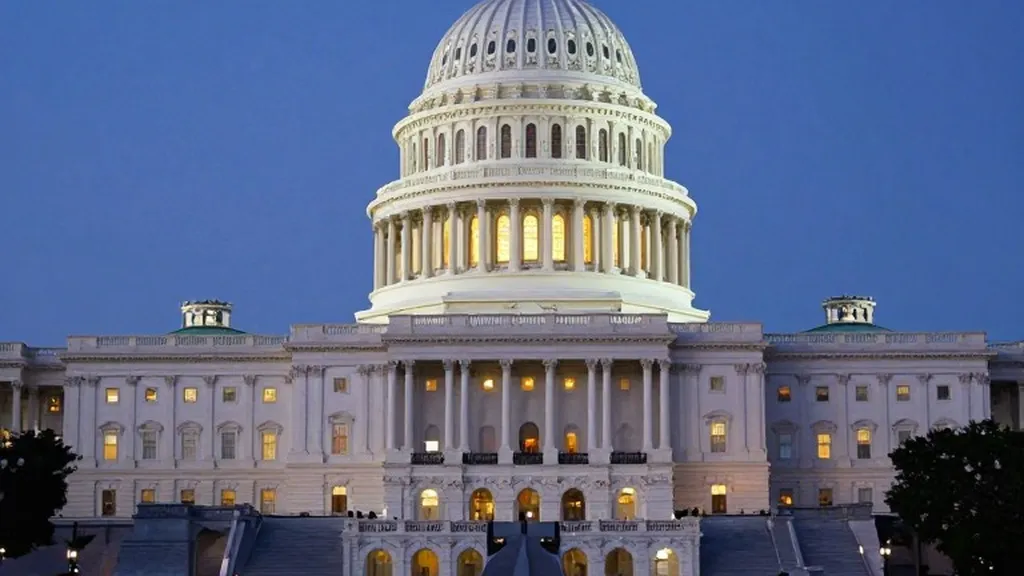
Tuesday's election results dashed the specific condition of the pledge. Democrats won majorities in both the U.S. House and the U.S. Senate, flipping the balance of power in Congress. As of 4 p.m. EST on November 6, Democrats held at least a 250 to 157 majority in the House and a 54 to 44 majority in the Senate. This shift means the president no longer has the unified congressional control he cited as the prerequisite for issuing the checks. The outcome leaves the fate of the dividend uncertain, as it now faces a Democratic majority in both chambers.
The mechanics of the payment were questioned even before the votes were counted. House Speaker Mike Johnson stated on Sunday that congressional approval is needed for the proposal to proceed. He described the idea as creative but emphasized that the executive branch cannot act alone. Johnson pledged to work through the details with Congress, though his party lost the majority required to easily push such legislation through. The White House had previously suggested the money would come from tariff revenues, a source that fiscal experts noted was insufficient to cover the full cost.
The potential cost of the dividend is staggering. The U.S. Census Bureau estimates there are about 245 million U.S. citizen adults. Giving each of them a $5,000 check would cost approximately $1.2 trillion. That figure far exceeds the projected tariff revenue for the current fiscal year. Erica York, a senior economist at the Tax Foundation, noted that the cost would spend almost all the revenue that new tariffs are projected to bring in over a decade. This math raised immediate concerns among voters about the impact on the national debt and inflation.
Criticism of the proposal came from both sides of the aisle. Texas Congressman Chip Roy, a Republican, wrote on social media that dependency is evil and soul-sucking in all its forms. He questioned the long-term implications of such a large payout. Meanwhile, election law expert Rick Hasen of UCLA noted that while the promise is likely legal under the First Amendment, the president does not have the power to execute it without Congress. Hasen compared the move to standard campaign rhetoric, such as promising tax cuts, but highlighted the logistical hurdles involved in actually delivering the funds.
Polling data suggests the economy and affordability were top of mind for voters heading into the election. A survey by the AP-NORC Center for Public Affairs Research found that three-quarters of voters said the economy was not so good or poor. About 8 in 10 respondents reported that inflation had caused a severe or moderate financial hardship for their households. These findings align with the president's rationale for the dividend, which was framed as a reward for economic success. However, the timing of the pledge, so close to the election, led some observers to view it as an attempt to buy votes with a promise that may not be kept.
The White House has not provided a formal plan for how the checks would be distributed. A press release announcing the dividend lacked details on eligibility criteria or payment methods. Vice President JD Vance suggested that the money would come from tariff revenue and would benefit the American middle class. However, lawmakers did not include a separate tariff dividend in the One Big Beautiful Bill Act tax and spending bill that became law in 2025. Sen. Bernie Moreno of Ohio said he would introduce legislation to fund the proposal, but political analysts noted that such a bill would require a 60-vote supermajority in the Senate, a high bar for a divided government.
The promise follows a pattern of previous financial pledges that did not materialize. In November 2025, Trump claimed his tariffs were bringing in trillions of dollars and promised a dividend of at least $2,000 per person. Those checks were never sent. Earlier in the year, a proposal for a DOGE dividend of $5,000, endorsed by Elon Musk, also failed to come to fruition. The most recent confirmed payout was a $1,776 check sent to more than 1 million U.S. military service members in early 2026. This history of unfulfilled promises adds a layer of skepticism to the current dividend pledge.
With Democrats now controlling both chambers of Congress, the path to funding the dividend is fraught with difficulty. The new majority is expected to focus on oversight of the administration and addressing the cost of living. Democratic leaders have signaled a combative stance toward the White House, with House leader Hakeem Jeffries describing the investigative requests already made by Democrats as a necessary check on the presidency. The president, for his part, declared on social media that these investigative efforts are extortion at the highest level. This dynamic suggests that passing a $1.2 trillion spending bill will be a contentious battle.
The economic backdrop remains challenging for the administration. Consumer prices rose 3.6% in September from a year earlier, according to the Commerce Department. Gasoline prices have risen due to the war in Iran, and wages have struggled to keep pace with inflation. The president argued that the payments would be easy to handle because the United States is taking in so much money. However, the country is already running a nearly $1.8 trillion annual budget deficit. Adding $1.2 trillion in new spending could exacerbate concerns about inflation and the national debt, issues that were central to voters' dissatisfaction with the current administration.