Trade Policy: Democrats Set Stage for Veto Fight Over Tariffs
With control of both chambers, the new congressional majority plans to challenge import taxes that the Tax Foundation says added $820 to average household costs.
By Tyler Khalil ·
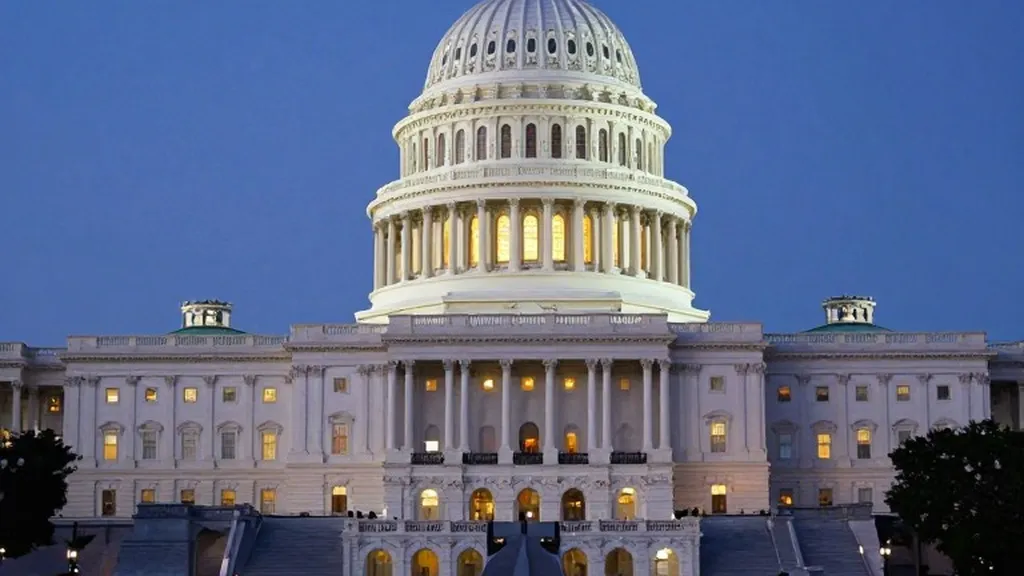
The 2026 midterm elections shifted trade policy from a campaign promise to a legislative priority, as Democratic leaders prepare to challenge President Trump’s tariffs following their victory in both chambers. House Democratic Leader Hakeem Jeffries told reporters on Wednesday that ending the import taxes is necessary to lower living costs for Americans. The party’s strategy remains undecided, ranging from repealing specific tariffs to curbing the president’s general authority to impose them, according to Erica York, a senior economist at the Tax Foundation.
The current tariff structure relies on several federal statutes with distinct histories. Section 232 of the Trade Expansion Act of 1962, originally intended for national security, supports taxes on steel, copper, and aluminum. Section 338 of the Tariff Act of 1930, which addresses discriminatory trade practices, provided the legal basis for 50 percent tariffs on many Canadian goods. In February, the Supreme Court invalidated tariffs Trump imposed in 2025 under the International Emergency Economic Powers Act, a move that complicates the administration’s legal footing.
The path to repeal faces a high procedural barrier. Overriding a presidential veto requires a two-thirds majority in both houses, a threshold that demands substantial Republican support. The composition of the next Congress affects this calculus, as several Republican critics of the tariffs, including Senators Susan Collins of Maine and Thom Tillis of North Carolina and Representative Don Bacon of Nebraska, are departing their seats. Trump has signaled his intention to use his veto power, posting a photo of a red hat with the word “VETO” on Truth Social since the election.
Experts offer mixed assessments of the legislative odds. Arun Venkataraman, an international trade lawyer and former senior Commerce Department official, believes narrowly targeted measures are more likely to attract Republican votes than sweeping overhauls. Kyle Sweetser, an Alabama construction company owner who ran for Senate, expressed concern about building a coalition but suggested a focused proposal could succeed. Conversely, Pierre Yared, a former economic adviser in Trump’s second administration, expects tariff policy to remain largely under presidential control, subject to ongoing legal challenges and trade negotiations.
Democratic leadership is positioning this effort as a cost-of-living measure. Representative Brendan Boyle of Pennsylvania, who won reelection and is set to chair the House Budget Committee, described reversing the tariffs as effectively a tax cut. The Tax Foundation estimated that the tariffs increased average U.S. household costs by $820 as of August. Democrats may face internal friction as they organize in January, with Erica York noting potential tension between the party’s free trade and protectionist factions.
The administration continues to defend its approach despite the incoming congressional shift. After federal data showed 165,000 jobs were added in October, the White House attributed the growth to tariffs and tax cuts encouraging factory returns. Spokesman Matthew Middleton stated that the administration has secured nearly 20 trade deals and trillions in manufacturing investments, and it will pursue further agreements.
The next legislative session begins in January, when the new majority takes office. Republican strategist Brendan Steinhauser noted that Trump’s long-standing support for tariffs makes him likely to resist limits on his authority. The Democratic plan will be shaped by the specific statutes cited for current tariffs and the number of Republicans willing to cross party lines to override a veto.
More Politics · National news · Report a business · Got a Story?