Democrats Win Control of Congress; Trump Vows War of Oversight
New House leader Hakeem Jeffries prepares investigations into the 'Trump crime family' while the President calls requests 'extortion at the highest level.'
By Thiago Kovalenko ·
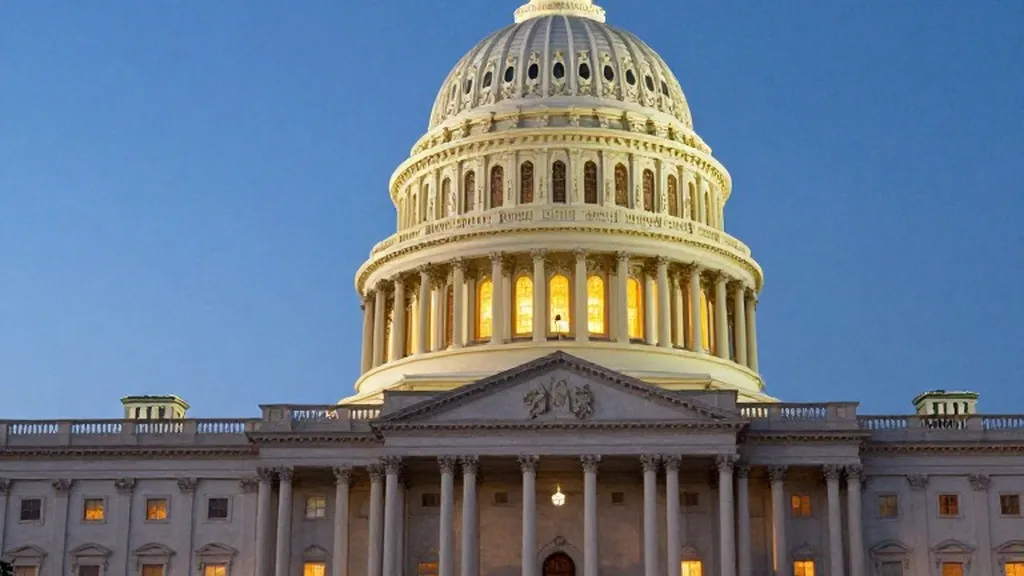
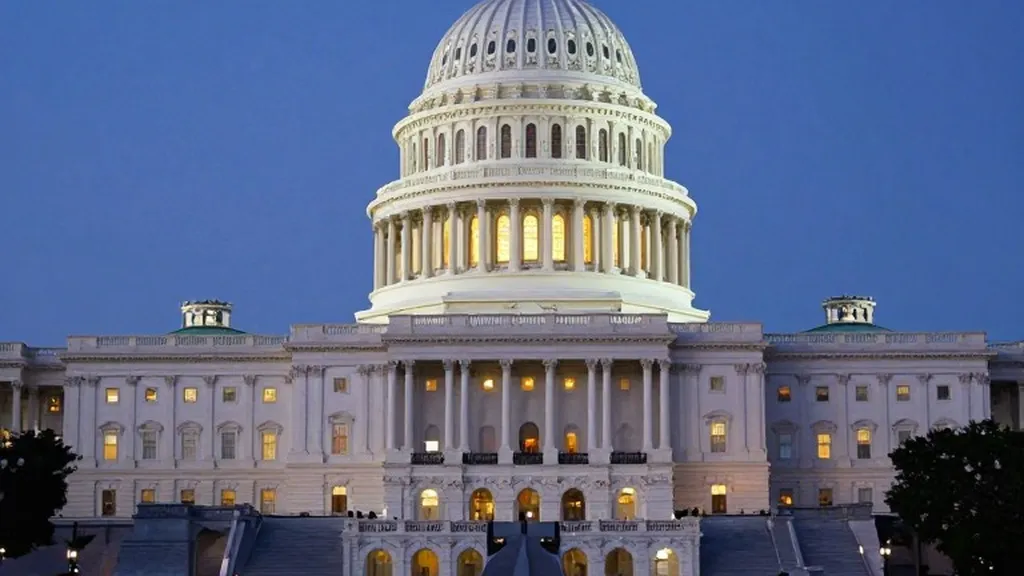
Democratic voters delivered a decisive mandate for oversight on Tuesday, November 3, as results confirmed that the party has secured healthy majorities in both the House and the Senate. This victory sets the stage for an immediate and aggressive confrontation with the White House, marking a significant shift in the balance of power for the final two years of the current administration. The outcome reflects a broad national sentiment regarding the need for stronger checks and balances on the presidency, a priority that resonated with a large portion of the electorate during the midterm campaign.
Democratic House leader Hakeem Jeffries, who is poised to become the nation's first Black House speaker, signaled that the era of passive engagement is over. Jeffries stated that he will work with the other side of the aisle whenever possible to deliver real results, but he emphasized that Democrats are committed to forcefully pushing back against extremism. He specifically criticized the appointment of Stephen Miller as chief of staff, calling it an awful choice and expressing doubt about the prospect of effective collaboration with an architect of the administration's mass deportation policies.
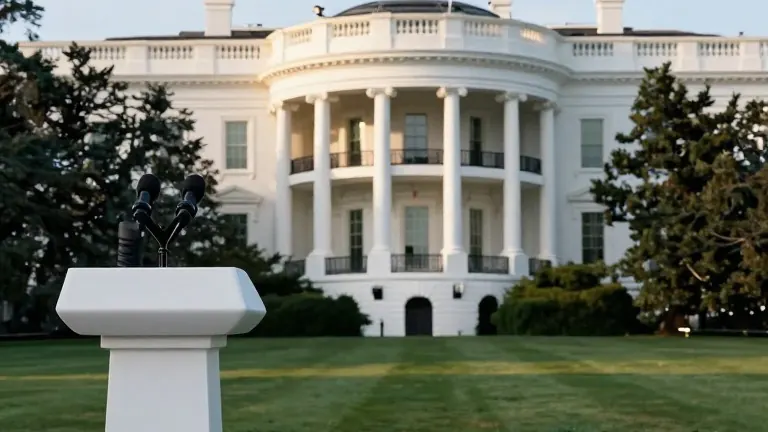
The tone of the post-election period was set by President Donald Trump, who declared on social media that investigative requests already made by Democrats are extortion at the highest level. Trump argued that those making these demands should be held accountable, framing the upcoming legislative session as a defensive battle for his administration. This combative stance was echoed by Attorney General Todd Blanche, who noted that criminal investigations of Democrats are possible and that the President is worried about threats directed at existing administration members and companies.
Rep. Robert Garcia of California, who is expected to chair the powerful House Oversight Committee, has prepared a slate of investigations into what he describes as the Trump crime family. Garcia told voters that the days of not fighting back are over, positioning the oversight committee as the primary vehicle for holding the executive branch accountable. This approach aligns with the central promise made to voters during the campaign, which focused on actions to lower the cost of living and ensure that the government serves the public interest rather than special interests.
According to The AP Voter Poll, a survey of more than 100,000 midterm voters, about 7 in 10 voters nationally say Congress is not doing enough to provide checks and balances on the presidency. This finding underscores the political pressure on incoming Democrats to act decisively. Jeffries has indicated that impeachment is an option for officials who have been shortchanging or stealing from the American people, a stance that has energized the base but also drawn caution from some newer members of the party who wish to avoid excessive division.
Despite the aggressive posture, there is internal tension within the Democratic caucus regarding the pace of investigations. Sen.-elect Adam Hamilton, the first Democrat elected to the Senate from Kansas in 94 years, expressed skepticism about making impeachment the primary focus of the next two years. Hamilton stated that his campaign was about bringing people together and that he is more interested in setting up guardrails than in pursuing immediate removal proceedings. He warned that the country should not be further divided by a constant focus on conflict with the White House.
Sen. Bernie Sanders, a Vermont independent who caucuses with Democrats, offered a similar warning about the limited time available to serve the public. Sanders said that while holding Trump accountable is necessary, the party cannot spend all of its time investigating the President. He emphasized the need to stand up for working-class families and make a real difference in their lives, suggesting that economic legislation should take precedence over procedural battles. This perspective highlights the challenge facing Democrats in balancing their oversight mandate with the need to pass substantive policy.
The election results also featured a historic wave of milestone victories that reflect the diverse coalition supporting the Democratic platform. Peggy Flanagan became the first Native American woman elected to the U.S. Senate, a win she credited to the support of Native women in her community. In New Mexico, Deb Haaland was elected as the first female Native governor of a U.S. state, a position she says is a long time coming and a matter of representation. These victories signal a strengthening of Native American political power at the federal and state levels.
Other historic firsts include the election of Crystalyne Curley as the first woman president of the Navajo Nation, a role that challenges traditional views within the tribe regarding gender and leadership. Curley narrowly defeated her opponent and plans to transition the nation away from coal development while reasserting its role in federal Indian policy. In the House, new members such as Claire Valdez from New York and Sean McCann from Michigan became the first Native Americans elected to represent their respective states in Congress, further expanding the diversity of the legislative body.
The administration's response to these victories has been swift and sharp, with officials preparing for a legal and political battle over the scope of congressional investigations. The appointment of Stephen Miller has been viewed by many Democrats as a signal of the administration's intent to continue its aggressive agenda on immigration and other issues. With the new Congress set to convene, the focus will turn to the specific resolutions and bills that will test the limits of executive power and the capacity of the legislative branch to enact change.
Voters also weighed in on the administration's handling of immigration enforcement, with about 6 in 10 respondents in The AP Voter Poll stating that actions on immigration had gone too far. This finding supports the Democratic argument that oversight is not merely partisan but a necessary correction to perceived overreach. As the new leadership takes office, the immediate task will be to translate the mandate for accountability into concrete legislative actions that address the cost of living and other key concerns of the electorate.