Tesla Accelerates Cybercab Rollout: Private Orders Set for Year-End Launch
The company confirmed that limited private sales of the autonomous two-seater will begin before the end of 2026, while the bulk of the fleet remains under Tesla's direct operational control.
By Ahmed Mansour ·
Tesla has officially locked in a timeline for the commercial availability of its Cybercab, signaling the end of prolonged uncertainty regarding the launch of its fully autonomous two-seater. During the third-quarter 2026 earnings call held on October 21, company executives clarified that the vehicle is on track to reach private customers before the calendar year concludes. This announcement provides a definitive endpoint to speculation about whether the robotaxi would become a consumer product in the near future or remain exclusively a fleet-based service.
Lars Moravy, Tesla’s Vice President of Engineering, provided the specific target date, stating that the company is aiming to get Cybercabs into the hands of customers by the end of 2026. He noted that manufacturing is already active at Gigafactory Texas, but the current production output is being diverted entirely to the company’s internal Robotaxi fleet. Moravy explained that as operations scale, the strategy is to primarily deliver fully designed autonomous vehicles to customers, with the Cybercab serving as the inaugural model in this category.
The initial phase of private deliveries is expected to be modest in volume. Moravy indicated that Tesla will start small to allow the company to gain practical experience in several key areas, including delivery logistics, ownership models, fleet management, and the operational nuances of running autonomous vehicles outside of its direct, centralized control. This cautious approach suggests that the transition from a managed fleet to a consumer-owned product will be a gradual process rather than an immediate mass-market launch.
CEO Elon Musk reinforced the notion that private ownership will be the minority use case for the vehicle. In his remarks, Musk described the Cybercab primarily as a "transport-as-a-service" offering, distinguishing it from traditional personal vehicles like the Model 3, Model Y, or the upcoming Roadster. He emphasized that the vast majority of Cybercab units will remain Tesla-owned, serving the broader public through the robotaxi network rather than sitting in private garages.
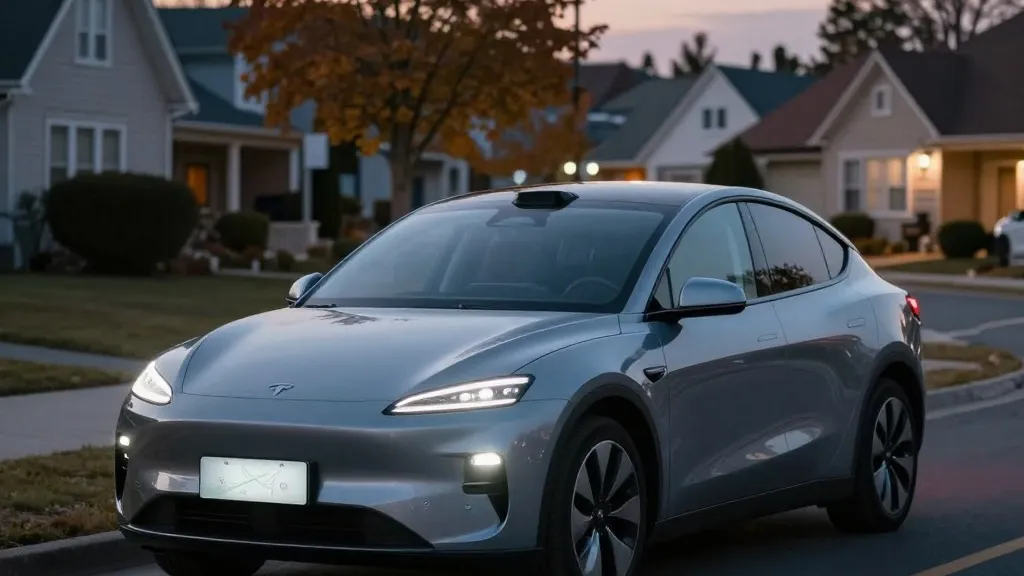
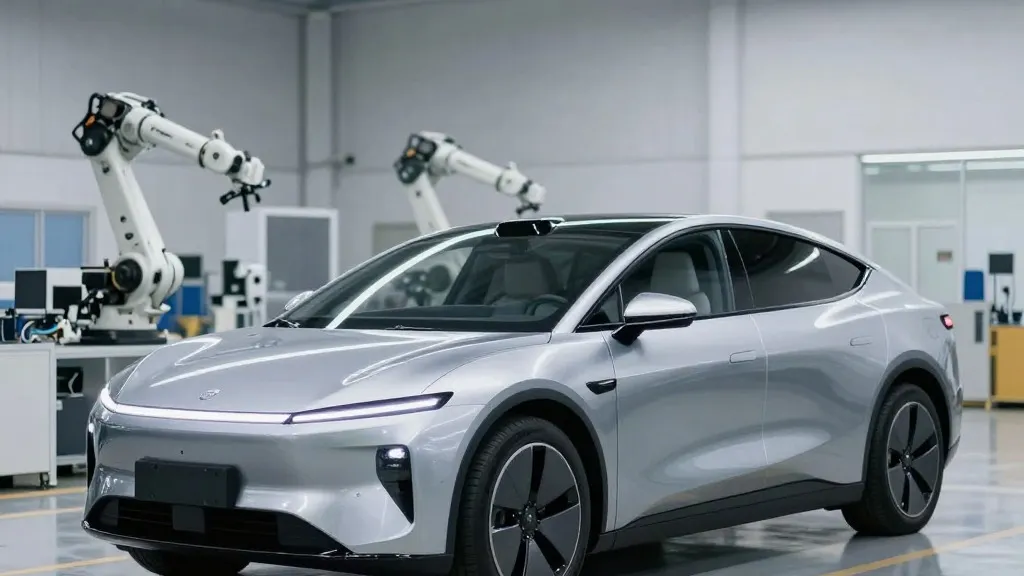
The Cybercab itself is a distinct departure from Tesla’s previous lineup, developed as a two-seater vehicle without a steering wheel or pedals. It relies entirely on Tesla’s Full Self-Driving technology. Production of the vehicle began in February, and early units have been integrated into the Robotaxi service since early September, coinciding with the public launch of rides. The company has previously indicated that the target price point for the vehicle is approximately $30,000, a figure that remains central to its market positioning.
While the immediate focus is on the Cybercab, other autonomous milestones are also approaching. Ashok Elluswamy, Tesla’s Head of AI, indicated during the same call that unsupervised Full Self-Driving is expected to ship to consumer cars during the second quarter of 2027. This timeline suggests a broader rollout of autonomy technology across the vehicle line, following the initial launch of the dedicated robotaxi.
Despite the confirmed launch date, several hurdles remain before widespread private deliveries can begin. Early buyers or fleet operators may encounter vehicles whose autonomous operation is geographically restricted, a limitation often driven by lagging regulatory agencies. These regulatory constraints could dictate where the vehicles can operate autonomously, potentially influencing the initial geography of private sales.
For the Pacific Northwest and other regions, the stakes involve understanding the dual-track approach Tesla is taking. While the public will continue to use the Tesla-owned fleet for immediate rideshare needs, a smaller cohort of private owners will begin taking delivery of the hardware. This hybrid model aims to balance the rapid expansion of the robotaxi network with the long-term goal of placing autonomous hardware into private hands, setting the stage for a significant shift in personal transportation.
The confirmation of a year-end launch date transforms the Cybercab from a speculative prototype into a tangible product with a defined sales window. As Tesla prepares to move from production to distribution, the focus shifts to how smoothly the company can manage the logistics of handing over control to private entities. The coming months will be critical in determining whether the initial small-batch deliveries succeed in establishing a reliable model for autonomous vehicle ownership.
Source: Teslarati