NASA reveals 22 Starship launches needed
A new internal assessment suggests the lunar lander requires significantly more fueling flights than previously estimated, raising concerns about the Artemis timeline.
By Ama Boateng ·
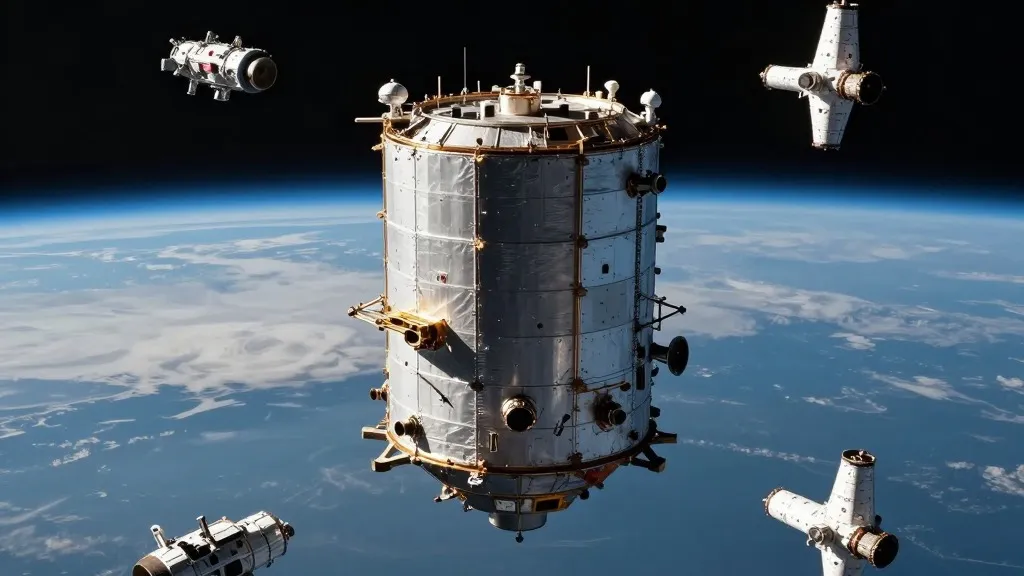
NASA has finally disclosed a specific figure for the number of rocket launches required to fuel its lunar lander, settling on a count of 22. This number represents the total Starship missions needed to assemble a fully fueled vehicle in low-Earth orbit, capable of traveling to the Moon, landing astronauts, and returning to lunar orbit. The revelation comes from recent discussions within the agency and marks a shift from years of vague estimates.
The figure was highlighted during the quarterly meeting of the NASA Aerospace Safety Advisory Panel, held on Thursday, October 15, 2026. Panel member Charlie Precourt, a former NASA astronaut, addressed the risks associated with the Artemis Program. His presentation drew attention to the logistical challenges inherent in the current fueling strategy, which relies on a complex series of transfers in space.
For years, the agency has treated this metric with unusual secrecy, often comparing its guardedness to the protection of nuclear codes. While NASA does not possess nuclear weapons, the number of launches required has remained a closely held internal statistic. The general public and media have often heard only that the agency is calculating the requirement, without a definitive answer.
In 2023, Lisa Watson-Morgan, then-director of NASA’s Human Landing System, expressed reluctance to commit to a specific number. She stated, “We have a general idea, but I’m reluctant to say exactly what that is.” Later comments from her placed the estimate in the “high single digits to the low double digits,” which implied roughly a dozen launches. This earlier estimate suggested a scenario where one “depot” Starship would be loaded by 11 “tanker” Starships carrying liquid oxygen and methane.
Other officials have previously cited figures in the “high teens,” reflecting an ongoing hope that SpaceX would dramatically improve the lift capacity of the Starship rocket. Such improvements would reduce the number of tanker flights required to fill the depot, thereby streamlining the operation. The new estimate of 22 indicates that this reduction in launch count has not materialized to the extent previously anticipated.
Concerns are growing among some NASA officials that the necessary improvements in payload capacity may not arrive soon enough. This delay could limit the role that SpaceX’s Starship plays in returning humans to the Moon within the current decade. The Artemis Program aims to land people on the lunar surface, but the logistics of fueling the vehicle in orbit remain a critical bottleneck.
The move to a higher launch count underscores the complexity of the in-orbit fueling process. Each additional launch adds cost, time, and potential points of failure to the mission. The panel’s discussion on risks highlights the scrutiny being applied to these operational details as the program advances toward its first crewed lunar landing.
As the agency moves forward, the focus remains on refining these estimates and ensuring that the infrastructure in low-Earth orbit can support the required volume of propellant. The 22-launch figure serves as a baseline for planning, even as engineers continue to seek efficiencies in the transfer process.
Source: Ars Technica