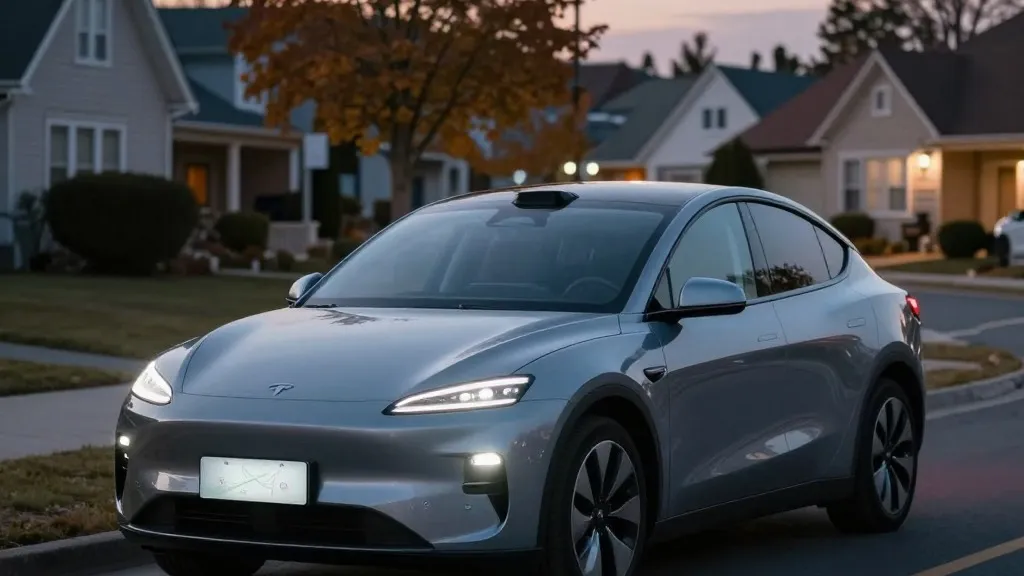
Regulators Mandate Cyan Lights to Identify Autonomous Vehicles
Federal agencies are proposing a standardized blue-green light to distinguish driverless cars from traditional vehicles on the road.
By Tyler Khalil ·
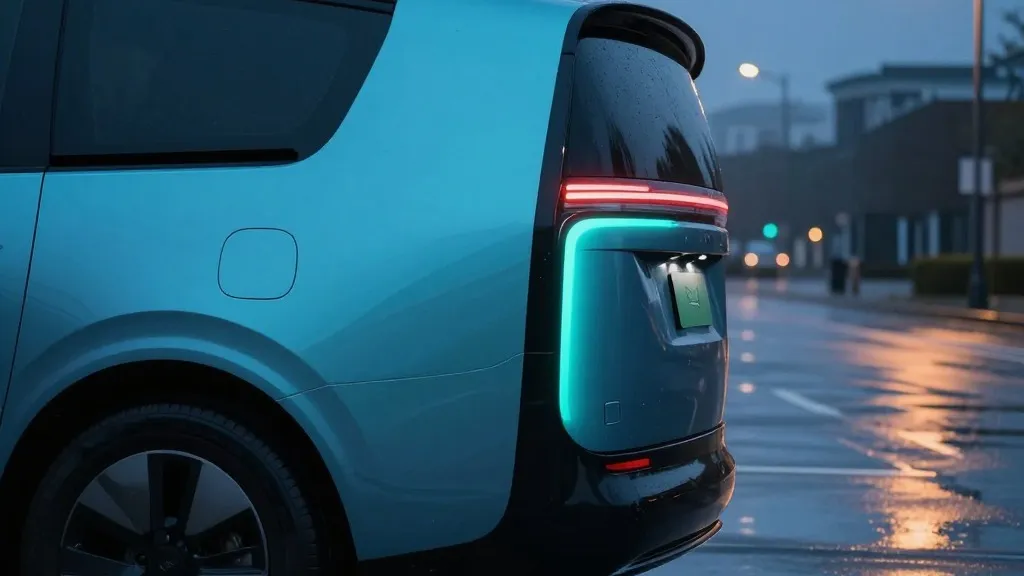
The National Highway Traffic Safety Administration has proposed a specific visual marker for autonomous vehicles: a cyan-colored light. This single design choice aims to resolve years of industry debate regarding how driverless cars should communicate their operational status to other road users and law enforcement.
The first key aspect of this proposal is the standardization of the signal itself. Current automotive lighting relies on red, amber, white, and flashing blue or red lights for functions like braking, turning, and emergency alerts. By introducing cyan, regulators hope to fill a visual gap that allows pedestrians and drivers to instantly recognize when a vehicle is being operated by an automated system rather than a human.
Second, the rulemaking process seeks to create a uniform national standard. While companies like Waymo, Nuro, and Zoox currently operate robotaxis, and automakers like GM and Mercedes-Benz develop their own systems, there is no consistent federal requirement for external lighting indicators. This proposal would ensure that any manufacturer choosing to install these lights follows strict guidelines for color, brightness, and placement.
Third, the agency is simplifying the regulatory framework to accommodate vehicles without human drivers. The proposed changes to Federal Motor Vehicle Safety Standard No. 108 would remove requirements for physical controls such as manual beam shifters, hazard switches, and turn levers. These components are often unnecessary in autonomous designs, and their removal allows for more streamlined vehicle architecture.
Contextually, this move fits into a broader Department of Transportation initiative to streamline the deployment of autonomous technology. The goal is to reduce administrative barriers for manufacturers building cars that may lack traditional steering wheels and pedals. However, the transition is not without friction, as regulators continue to enforce existing rules strictly. For instance, an audit query was opened last month into Tesla's Cybercab, specifically examining the technical data behind its certification given the absence of sideview mirrors, pedals, and a steering wheel.
The outlook suggests a gradual shift toward a more integrated approach to autonomous vehicle regulation. By defining the cyan light as an optional but standardized feature, NHTSA allows manufacturers flexibility while ensuring safety and consistency. This approach balances the need for innovation with the necessity of clear communication on the road, potentially paving the way for wider adoption of driverless technology across the country.