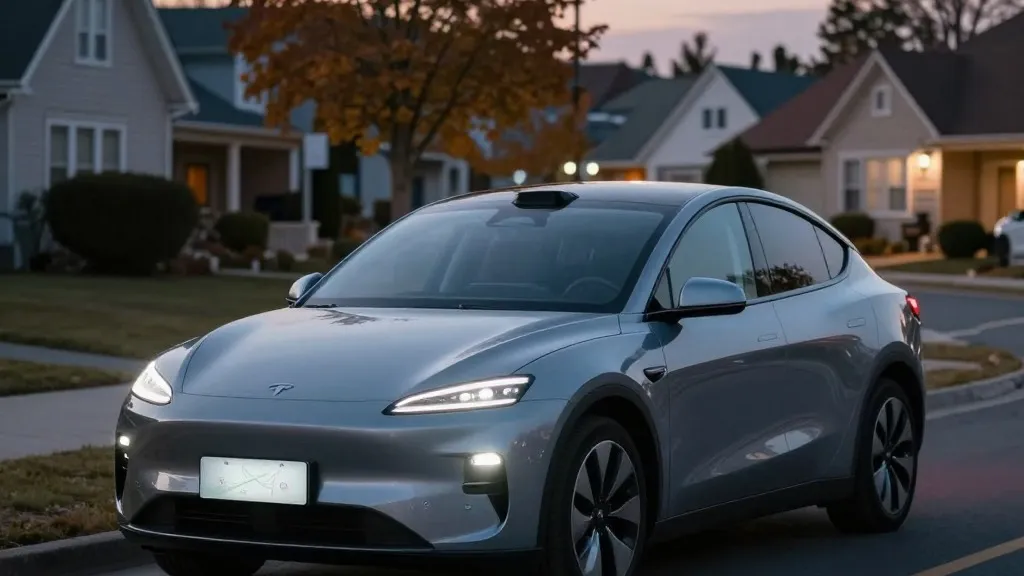
Automotive Strategy: Tesla Builds Internal Maps to Fix FSD Navigation
The electric vehicle maker is developing a proprietary mapping system to correct common errors in speed limit recognition and route selection.
By Thiago Kovalenko ·
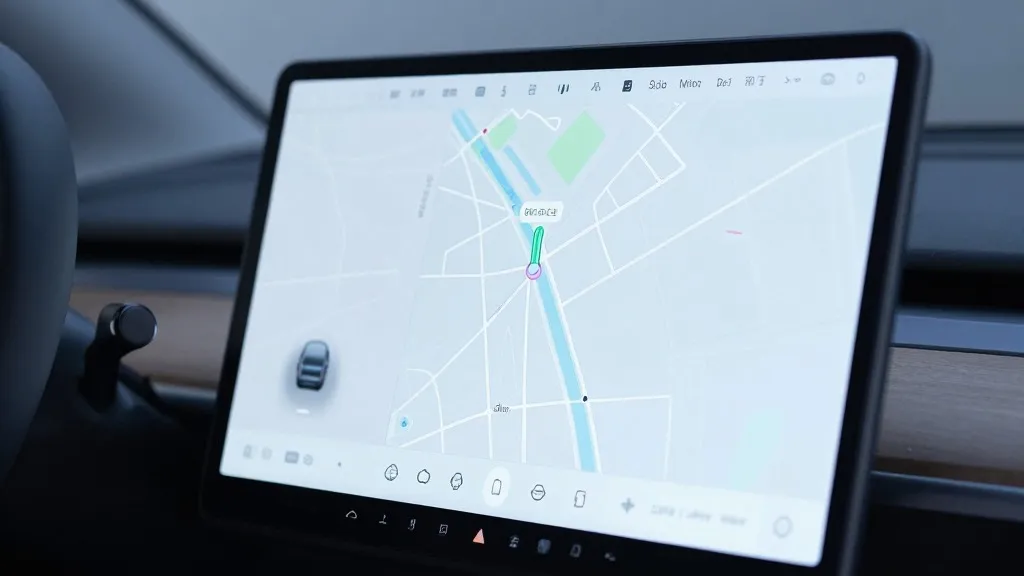
Tesla has long marketed its Full Self-Driving system as a vision-only solution that does not require detailed cartographic data, but the company is now developing its own maps to address persistent software flaws. This strategic pivot was confirmed during the Q3 2026 earnings call, where executives outlined a new approach to navigation and environmental understanding.
The decision comes after years of public debate about whether self-driving cars need high-definition maps. Tesla's VP of AI, Ashok Elluswamy, stated that the company should not depend on external mapping providers. He explained that the new architecture will use an AI-based system fed by data from the entire fleet. This infrastructure will learn individual driver preferences and respond to voice commands while improving overall navigational accuracy.
The implementation will occur in phases starting with FSD v15. Initially, the new map layer will manage the start and end of trips. Over the coming months, it will take over broader navigation tasks, parking assistance, and destination handling. This rollout aims to reduce reliance on third-party data that has occasionally provided incorrect speed limits or route suggestions.
The need for these fixes is evident in recent real-world testing. A Belgian road safety group found that FSD vehicles exceeded the speed limit in 55% of 30 km/h zones in Brussels, averaging 44 km/h. The system often displayed an incorrect 50 km/h limit on the dashboard. In the United States, the National Highway Traffic Safety Administration is investigating claims that Tesla Robotaxis speed through active school zones, involving approximately 1,000 Model Y and Cybercab vehicles.
This new development marks a significant departure from CEO Elon Musk's earlier stance. In 2019, during Autonomy Day, Musk described high-precision lane maps as a huge mistake that made systems brittle. He argued that cameras and AI were sufficient for driving anywhere. Seven years later, the company is building a map layer from its own fleet to fix issues that the vision system struggles to resolve independently.
The current approach aligns more closely with competitors like Waymo, which uses sensor-equipped vehicles to create and update maps before launching service. Tesla is now using its fleet to collect data that feeds a proprietary map, helping every vehicle drive better. While Tesla is not yet using centimeter-level high-definition maps, the fleet-built data could lead in that direction. This method supports the company's existing Robotaxi operations, which currently run in small geofenced areas.
Developers and analysts note that every serious self-driving program uses maps, making this a practical rather than theoretical shift. By building its own maps from millions of cars, Tesla may gain a competitive advantage. If the system can reliably read speed limit signs and choose correct routes, it will improve safety for all road users. This move underscores the complexity of autonomous driving and the ongoing effort to refine the technology for consumer vehicles.