Musk Claims Suppliers Accelerating Terafab Equipment Deliveries
Tesla and SpaceX executive insists that critical chip-making vendors are speeding up shipments to meet a 2028 production target, despite the project's massive scale and tight industry capacity.
By Thomas Reynolds ·
For residents of the Pacific Northwest and other regions reliant on advanced semiconductor supply chains, the announcement suggests a potential shift in how cutting-edge chips reach the market. Elon Musk stated during a live broadcast of SpaceX’s Q3 2026 earnings call on October 20 that major equipment providers are moving faster to support the Terafab joint venture. This development could influence the availability of processors for everything from autonomous vehicles to data centers, though the timeline remains exceptionally tight.
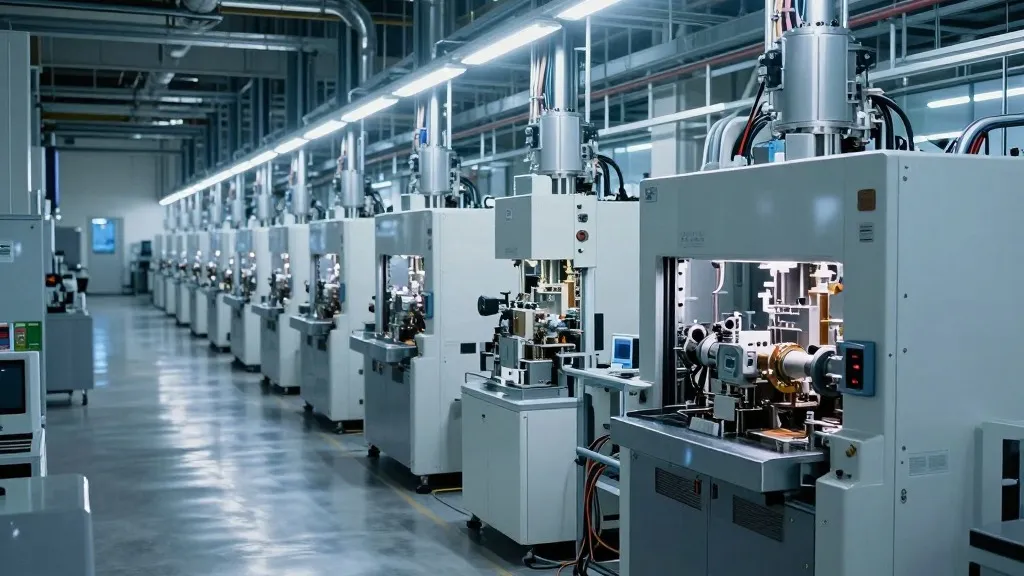
Musk indicated that the primary facility in Gibbons Creek, Texas, aims to begin volume chip production by the third or fourth quarter of 2028. He described this schedule as "highly aspirational" and noted it carries "big error bars." The project is a collaboration between Tesla and SpaceX, designed to be a vertically integrated factory capable of producing logic, memory, and advanced packaging in a single location. Musk expressed appreciation for the accelerated deliveries, which he said are necessary to hit these aggressive milestones.
The reliance on external partners is critical to this plan. ASML, the sole commercial supplier of extreme ultraviolet lithography systems, is a key figure in the process. While Terafab’s first EUV tool was reportedly scheduled for delivery in mid-2027, it is not yet confirmed if the recent announcements refer to this specific slot. Other significant suppliers include Applied Materials, Lam Research, KLA Corporation, and Tokyo Electron, which are providing front-end processing and control machinery. Additionally, Tesla and SpaceX are in discussions with approximately ten South Korean equipment makers, including Hanmi Semiconductor and HPSP, for specialized components.
The scope of Terafab is intended to rival national economic outputs. Musk claimed that once fully operational, the facility’s commercial value would place it within the top 20 global country GDPs, a benchmark currently held by Switzerland with a GDP of around $1.14 trillion. The goal is to manufacture one terawatt of AI computing power per year. To achieve this, the project will utilize Intel’s 14A manufacturing node, with Intel having joined the venture in April 2026 to co-develop the necessary silicon fabrication technology.
Context suggests these plans are ambitious compared to current global capacity. Research firm Gartner estimates the total global AI-optimized data center capacity at roughly 44 gigawatts as of late 2026, which is only 4.4% of Terafab’s planned output. While global AI computing capacity has grown by roughly 3.3x to 3.4x per year since 2022 according to EpochAI, the jump to terawatt-scale production from a single building faces scrutiny from experts. Musk’s broader AI ambitions include bringing 13 gigawatts of compute online by the end of 2027, supported by a planned 440,000-GPU Nvidia cluster.
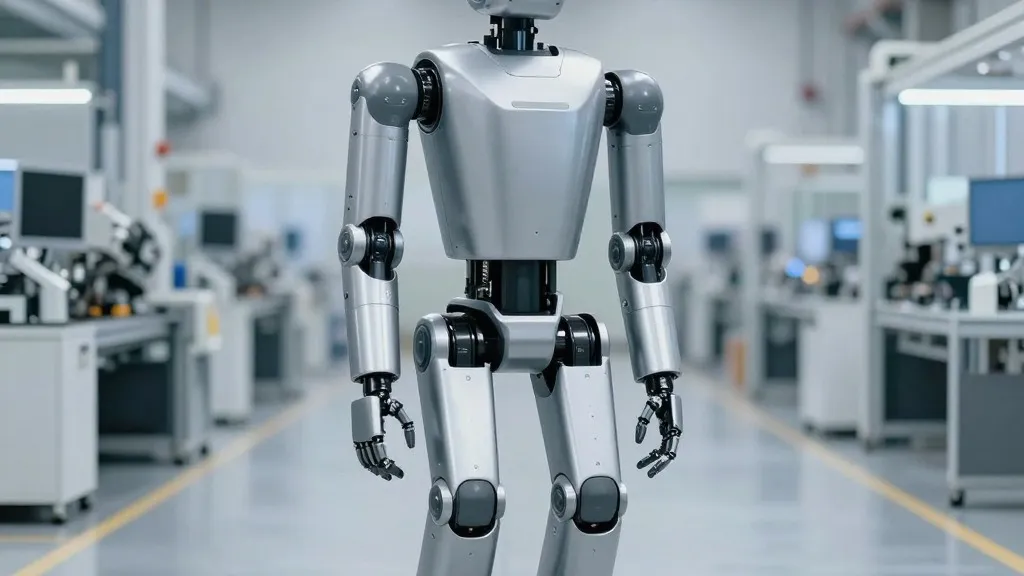
The facility is designed to mitigate future shortfalls from external foundries like TSMC. It will supply chips for xAI clusters, Tesla’s self-driving vehicles, Optimus humanoid robots, and SpaceX’s orbital AI data center. Despite the optimism, the tight capacity across the semiconductor supply chain remains a hurdle. Whether the expedited shipments can overcome historical bottlenecks in EUV machine availability will determine if the 2028 target is realistic or remains a stretch goal.
As the project moves forward, the interplay between established giants like Intel and ASML and the aggressive timelines of Tesla and SpaceX will be closely watched. The success of Terafab could reshape the landscape of AI hardware manufacturing, potentially reducing dependence on traditional foundry models. For now, the industry awaits further clarification on the specific nature of the expedited deliveries and how they align with existing production backlogs.
Source: Tom's Hardware