Lula and Bolsonaro Clash Over Economic Legacy in Final Debate
With the election decided in two days, the candidates traded sharp critiques on debt and crime in a noticeably calmer final showdown.
By Tyler Khalil ·
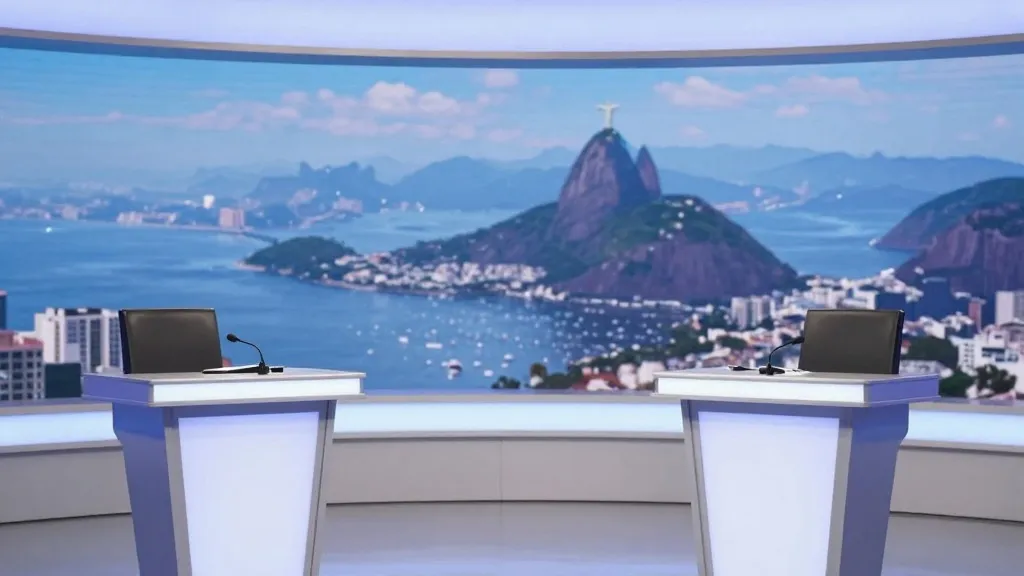
For Brazilian voters heading to the polls on Sunday, the final debate offered a stark contrast to the heated exchanges of early October. President Luiz Inacio Lula da Silva and Senator Flavio Bolsonaro met on Friday in Rio de Janeiro, where the conversation shifted from personal jabs to a detailed scrutiny of how each man would manage the nation's economy and security. The session, broadcast on TV Globo, served as the last formal opportunity for the two candidates to define their platforms before the decisive run-off vote. While the tone was more diplomatic than their first meeting, the underlying tensions regarding public spending and organized crime remained high.
The economic strategy of the challenger became the central point of contention. Bolsonaro proposed a drastic reduction in government outlays, a plan he described as taking a chainsaw to public spending. Lula immediately linked this approach to the policies of Argentina's libertarian leader, Javier Milei, suggesting a similar trajectory for Brazil. Bolsonaro countered by arguing that the incumbent was leaving the country financially broken. He stated that he would face the same challenges as Milei because Lula was handing over a bankrupt state. This exchange highlighted the deep divide between the two camps on how to handle Brazil's fiscal reality.
The debate also focused on the daily struggles of working families, particularly regarding the cost of living and debt. Bolsonaro accused the president of failing to control inflation and allowing organized crime to expand, which he argued pushed ordinary households into financial distress. Lula, who rose from a working-class background to become Brazil's first president from that sector, responded by questioning his rival's connection to everyday struggles. He claimed the senator did not understand hunger. Bolsonaro retorted with a direct question about why basic goods had become so expensive, pressing the issue of purchasing power.
Personal dynamics still influenced the proceedings, even if the overall tone was measured. Bolsonaro used the nickname Nine Fingers, a term favored by his supporters that references an industrial accident Lula suffered as a metalworker. The 80-year-old president demanded an apology for the use of the pejorative term, which Bolsonaro subsequently provided. In return, Lula labeled Bolsonaro a vigilante, pointing to allegations that the senator maintains ties to paramilitary groups in Rio de Janeiro. Bolsonaro defended his position by stating he would classify such groups as narcoterrorists.
A particularly tense moment arose when a mother of a five-year-old child was present. The child died in a shootout that involved a police officer whose lawyer was Bolsonaro. The candidate maintained that he did not believe his client was guilty of the incident. This exchange underscored the high stakes of the campaign, where past legal battles and police actions continue to shape voter perceptions of safety and accountability.
The political landscape has shifted significantly since the first round of voting on October 4. At that time, Bolsonaro led with 47 percent of the vote compared to Lula's 45 percent. However, a survey by the Datafolha institute published on Thursday indicates that the race is now effectively tied. The data shows both candidates at 50 percent, erasing the four-point advantage Bolsonaro held in polls released two weeks prior. This tightening of the margin suggests that undecided voters will play a critical role in determining the outcome.
Both candidates are expected to join their supporters in the streets of Rio de Janeiro and Sao Paulo for their final campaign efforts before the vote on Sunday. The shift from television screens to public rallies marks the conclusion of the formal debate period and the beginning of the final push for voter engagement. The coming days will determine which vision for Brazil's economic and social future gains the majority of support.
The final debate revealed a campaign that is increasingly focused on practical governance issues rather than just ideological differences. Questions about infrastructure, regional development, and the management of public debt took precedence over broader philosophical arguments. As the election nears its conclusion, the focus remains on how each candidate plans to address the immediate concerns of Brazilian families, from the price of food to the safety of their neighborhoods.