Baghdad Accuses Israel of Targeting Chinese Air Defense Systems
Iraqi officials suspect recent blasts at militia storage sites were Israeli strikes on weapons supplied by Tehran.
By Tyler Khalil ·
Tensions are rising in Baghdad as Iraqi authorities point the finger at Israel for a series of mysterious explosions at sites linked to Iranian-backed groups. The central question now is whether the strikes were a covert effort to dismantle air defense capabilities that Tehran has been supplying to its local allies.
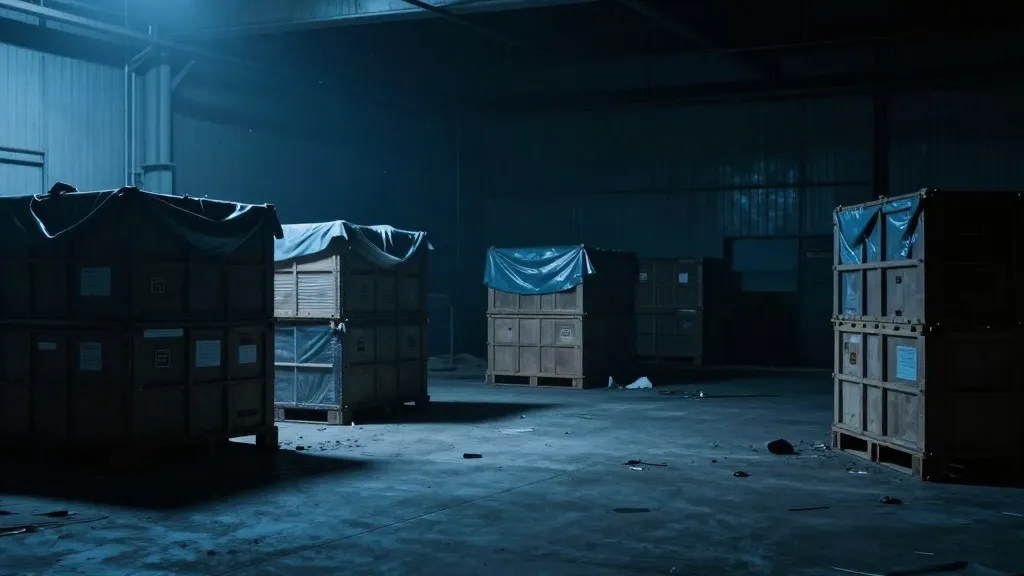
Sources cited by the London-based paper Asharq Al-Awsat on Saturday claim that two specific locations were hit. These sites held shoulder-fired air defense systems of Chinese origin. While the report did not identify the exact model of the systems, it noted that the armed group which selected the storage location believed the spot was nearly impossible to detect or reach.
The timing of the attacks appears deliberate. One source indicated that the suspected strikes occurred shortly after the shipments arrived at both facilities. The newspaper noted that the report lacked definitive proof and acknowledged that certain details remain unconfirmed, yet the timing suggests a targeted operation rather than a random occurrence.
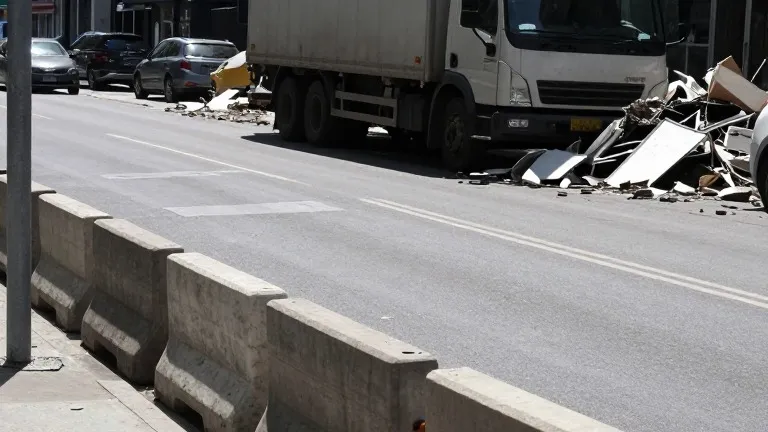
The violence extends beyond the storage depots. On October 17, an explosion rocked a base of the Popular Mobilization Forces, a paramilitary umbrella organization that includes many of these militias. The group initially labeled the event an accident, but the newspaper reported it hit a stockpile of old ammunition in Baghdad's East Canal district. Five people were injured in the blast.
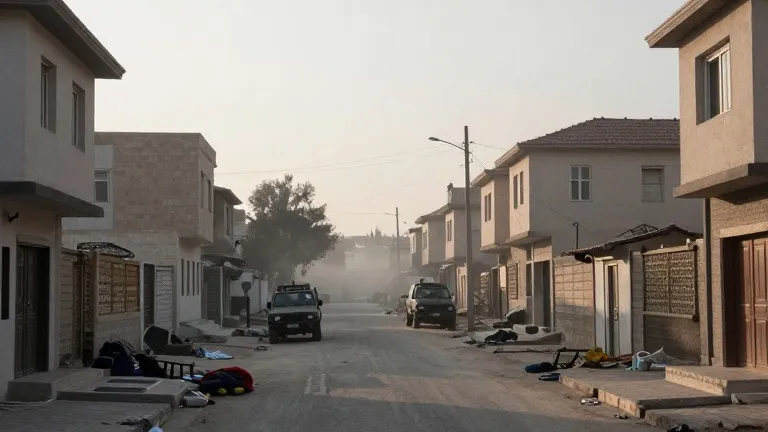
This incident follows an earlier event on October 1. Warehouses connected to Iran-aligned groups in and around the capital were affected, reportedly damaging stores of suicide drones and reconnaissance equipment. A security official stated that while the precise nature of the strikes is not yet fully determined, available evidence points strongly toward Israeli involvement.
The stakes have escalated significantly since the US and Israel began airstrikes in February. Iran has sought to turn Iraq into a primary frontline, launching over 1,000 drone and missile strikes on the Kurdistan Region. Additionally, allied militias have mounted 600 attacks across the country, some targeting US diplomatic sites. The US withdrew its troops from Iraq on September 30, a deadline agreed upon over the past several years.
Baghdad is not new to suspecting Israel of such operations. In 2019, militias blamed Israeli strikes for damage in Syria near the Iraqi border. More recently, The Wall Street Journal reported that Israel established a secret airstrip in Iraq during its campaign against Iran. Unconfirmed accounts also suggest Israeli jets have flown through Iraqi airspace near the Iranian border with the aid of refueling tankers.
A source within the Shi'ite Coordination Framework said that ruling party leaders have spent weeks predicting that any renewed war between Washington and Tehran would begin with the total destruction of the Iraqi factions' capabilities. Most major groups in the Popular Mobilization Forces, with the exception of the Badr Organization, have been designated as terrorist organizations by the US.
Meanwhile, the Islamic Resistance in Iraq, a coalition of militias that has attacked both Israel and the US in the past, issued a statement claiming that Iraqi airspace is being violated. The group's assertion adds fuel to the fire as Baghdad continues its investigation into the recent series of blasts.