Warhound Emerges to Genetically Engineer Military Dogs with $200M
Colossal Biosciences and Anduril are joining forces to engineer canines with specific traits for dangerous missions and equip them with tactical gear.
By Thiago Kovalenko ·
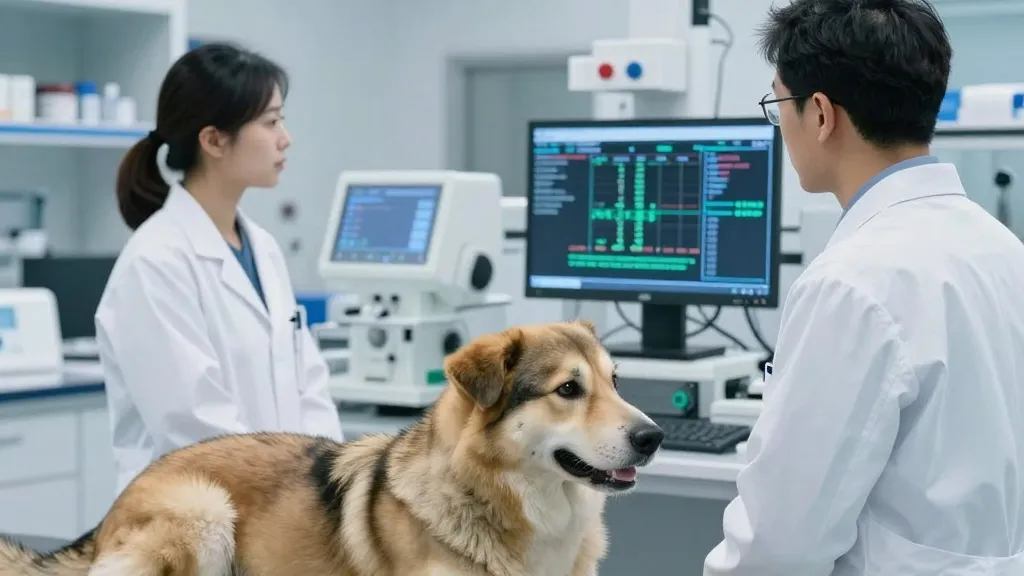
The U.S. military is facing a shortage of qualified working dogs, with over 80% of these animals being imported from Europe and less than half of those meeting service requirements. Warhound, a new venture founded by Colossal Biosciences CEO Ben Lamm and Anduril CEO Palmer Luckey, intends to address this problem by genetically engineering dogs designed for demanding missions. The company emerged from stealth on Thursday after securing $200 million in funding from a group of investors including Sequoia, 8VC, Corner Ventures, and In-Q-Tel, a venture capital firm backed by the CIA and other U.S. intelligence agencies. The capital infusion values the company at $1.2 billion.
Although no dogs have been produced yet, Warhound plans to develop canines to handle tasks that are too hazardous for people or too difficult for machines, including bomb detection and search operations. Lamm and Luckey first connected about a year ago at a conference, where they discussed the needs of the military's working dogs. During subsequent research into breeding practices, Lamm discovered that many dogs fail training due to genetic predispositions to issues like poor eyesight, cancer, hip dysplasia, or muscle atrophy. Warhound intends to alter the genetics of the Belgian Malinois and German Shepherd breeds to improve their health, longevity, speed, and sensory capabilities. The company's process involves taking cell lines from top-performing dogs and storing them in a biobank, after which the team will edit genes to remove negative traits and add those that enhance performance.
In addition to genetic changes, the venture will supply hardware and software to help dogs and their handlers coordinate. Anduril is providing items such as protection vests and goggles to increase situational awareness. For example, Lamm described bulletproof vests equipped with data sensors that relay information back to handlers to improve their understanding of the environment. "The idea is, if we make the dog safer, make it healthier, make it perform better, it's going to perform better in the line of duty," Lamm said. He also noted that Anduril's additions are provided "on top of the dog, not in the dog." Regarding ownership, Lamm confirmed that Luckey is a partner in the venture but holds no equity, while Colossal owns equity and supports the business by licensing its technology.
Colossal is known for efforts to revive extinct species like the dodo and the mammoth, but the company has also utilized AI to assist with gene cloning and identifying animal genes. To generate the first dogs for Warhound, Viagen, a company owned by Colossal, will handle the cloning process. Lamm stated that Viagen's technology has a high cloning success rate and is already used in programs protecting endangered species. The first batch of dogs is scheduled to be cloned and incubated shortly, with births anticipated early next year and service ideally starting within two years.
Warhound has not set a price for the dogs but plans to market them to first responders, military service groups, police forces, and the Department of Defense. Lamm said the company has briefed various government groups on the business. Regarding safety concerns for civilians, Lamm said each animal will be trained and managed by the purchasing entity, just like any military working dog. The company is working under the guidance of the American Humane Society to help certify the training program. When reached for comment, the American Humane Society stated, "We applaud Warhound and Colossal for inviting the country's first national humane organization, which is grounded in science and ethics, to have a seat at the table. We look forward to working with them to help ensure the animals in their care are treated humanely."