Grocery Strategy: Aldi Targets 3,000 U.S. Stores by 2028
The German chain plans to become the second-largest retailer in America, relying on private-label goods and a limited inventory to undercut competitors.
By Thiago Kovalenko ·
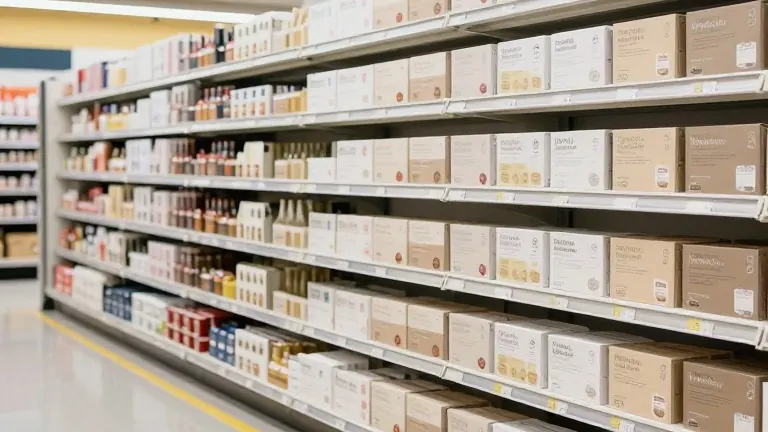
Aldi intends to operate more than 3,000 stores in the United States by the end of 2028. According to Bloomberg, this expansion would place the German company behind only Walmart in total store count. The retailer generated approximately $29 billion in U.S. sales in 2024, a figure that surpasses the revenue of Trader Joe's. This growth trajectory positions Aldi as the fastest-growing grocery chain in the country despite operating from smaller, less ornate locations.
The company's pricing strategy relies on two primary operational tactics. First, Aldi stocks shelves with private-label products, which account for more than 80 percent of its inventory. These store brands, such as Benton's cookies and Savoritz crackers, are manufactured specifically for Aldi to avoid paying markups to major consumer packaged goods companies like Nabisco. Second, the chain maintains a limited selection of items. By stocking only one brand of each product and buying in bulk, Aldi reduces spoilage, minimizes storage requirements, and lowers real estate costs.
Food reporter Deena Shanker noted that her comparison shopping over several months showed Aldi either matching Walmart on price or coming in slightly cheaper. This pricing pressure has forced competitors to adjust their own margins. Grocers including Wegmans and Kroger have announced defensive price reductions. An analysis published in late 2023 regarding Lidl, another German grocer with a similar model, found that grocery chains reduced markups by approximately 7 percent in areas where Lidl stores opened.
The operational efficiency of Aldi stores involves cutting non-essential costs. Stores do not play music to avoid licensing fees. Staff often place products on shelves in their original cardboard boxes to save labor hours. While this approach reduces the aesthetic appeal of the shopping experience, it directly contributes to lower consumer prices. The model contrasts with traditional supermarkets that offer a wider variety of brands and sizes, which can lead to higher inventory holding costs and waste.
Aldi has expanded its product mix to attract higher-income shoppers, offering premium items such as specific apple varieties and higher-end wine at competitive prices. The stores also feature rotating items in the center aisle, including toys and seasonal goods, which encourages frequent visits. This strategy has helped the brand maintain customer loyalty even during economic recoveries, positioning the store as a destination for value hunting rather than just a necessity during financial hardship.
The expansion of Aldi's footprint has accelerated during recent inflationary periods and the Great Recession. The chain's growth demonstrates that established competitors can still be pressured on price through distinct operational models. By unbundling the grocery experience and focusing on a core set of low-cost essentials, Aldi allows shoppers to visit nearby competitors for niche items while purchasing the majority of their staples at a discount.
The company's presence in the market is currently expanding across various regions. The planned store count by 2028 represents a substantial increase from its current footprint. As Aldi continues to open new locations, it aims to solidify its position as a major player in the American grocery sector, challenging the pricing structures of larger, more established chains.
More Business · Rip-Off Report · Report a business · Got a Story?