Tesla Uses Its Own Robots To Teach Other Robots In New Training Program
The company is deploying thousands of humanoid units to generate the necessary data for artificial intelligence without waiting for a large customer base.
By Tyler Khalil ·
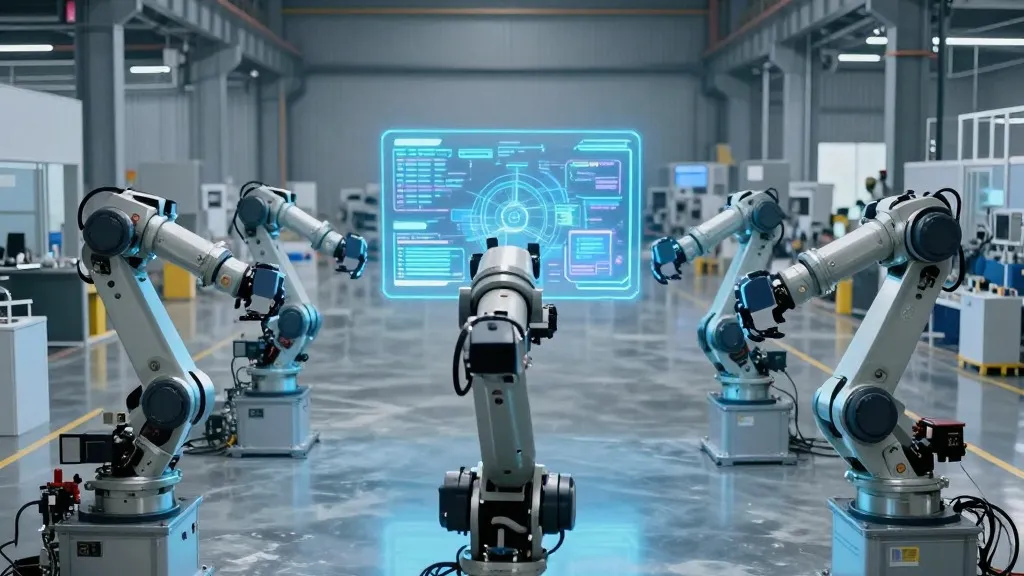
Tesla has begun a unique self improvement loop for its humanoid robots by turning its own manufacturing output into a training ground for the next generation of units. This strategy addresses a significant gap in how the company usually develops its autonomous systems.
The production line is currently operating inside the Fremont factory. This space previously housed the assembly lines for the Model S and Model X vehicles. Tesla cleared out the old car equipment in just forty six days this spring. The new setup is designed with a long term capacity of one million robots per year. During the quarterly earnings call on Wednesday, Elon Musk confirmed that most of the necessary equipment is already installed in the facility. Output is expected to rise toward roughly twenty thousand robots per week as the process stabilizes.
The primary challenge for the company is data acquisition. Tesla relies on a massive fleet of cars sending real world driving information back to its engineers. However, there is no comparable fleet of Optimus robots yet to provide similar input. Musk noted this distinction clearly, stating that they do not have a vast fleet of cars from which they can gather training data for this new platform. To solve this, the company created the Optimus Academy. Between ten thousand and twenty thousand robots will be used to practice diverse tasks. The insights gained from these units will feed directly into the next version of the artificial intelligence model.
Hardware upgrades are also planned for the coming year. Tesla intends to integrate its AI5 chip into the robots to improve processing power. Musk indicated that a new video demonstration should be released within one or two months. This footage will show the robot completing tasks driven by AI rather than preprogrammed motions. He contrasted this approach with rival demos that rely on scripted routines, arguing that those methods would not hold up in real world conditions. The engineering team is currently focusing heavily on the hands of the robot, which remain the most difficult component of the design.
The supply chain is preparing for mass production. In September, Tesla certified Tuopu, Joyson, and Sanhua as partners for manufacturing Optimus components. A larger facility is under construction at Giga Texas, with the steel frame nearing completion according to recent drone footage. Musk has set a long term target for that plant at ten million robots per year. Executives also noted that production costs are trending toward the expected manufacturing cost of the Cybercab, indicating that the robot is being engineered for volume from the start.
The path forward involves a gradual increase in capability. Musk described the growth trajectory as an S curve with a shallow initial slope. The team is refining the robot's AI, electromechanical design, reliability, and service life. They expect this work to be finished by the end of next year. At that point, Tesla plans to begin delivering Optimus units to outside companies for dangerous, repetitive, and around the clock jobs.