Library cardholders surge as consumers cut spending
Public library systems report double-digit increases in digital use and in-person visits, while federal funding proposals seek to zero out grants for the sector.
By Tyler Khalil ·
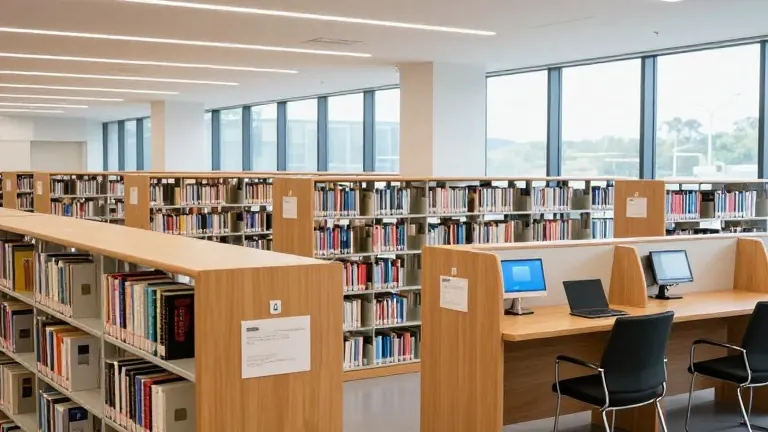
For Izzy Rivera, a law school applicant in Topeka, Kan., the cost of new books is no longer a feasible expense. She has shifted her reading habits to local library branches, where she checks out physical copies and digital files through the Libby app. Last month, she attended a used book sale and purchased 15 titles for approximately $20. Rivera also uses the Kanopy app for movies and accesses the New York Times at no cost, citing the branch as a public space where spending is not mandatory.
Librarians across the United States report a similar trend, attributing the shift to rising prices for food and everyday goods. A Pew Research Center survey released in mid-October found that 44% of Americans struggled to afford at least one basic necessity, such as medical care or rent, over the past year. Seventy percent of adults said they had reduced spending on optional services, including streaming subscriptions.
Data from major public library systems reflects this consumer behavior. The Los Angeles Public Library saw a 37% increase in makerspace usage and more than a 20% rise in digital circulation and library visits between the last two fiscal years. At the Chicago Public Library, in-person visits, adult card applications, and Wi-Fi sessions all increased by more than 11% from January through July. The Maricopa County Library District in Arizona recorded a 34% increase in Kanopy use and a 78% surge in Hoopla use over the past three years.
Jeremy Reeder, director of the Maricopa County Library District, said patrons are increasingly aware of free alternatives to paid subscriptions. "People start off with Audible and then a friend tells them, 'Why are you paying for that? You can get that at the library if you're a smidgen bit patient,'" Reeder said. OverDrive, the company that owns Kanopy, reported a 41% spike in users of the streaming service last year.
Maria McCauley, president of the American Library Association and director of the Cambridge Public Library, noted that libraries are becoming more visible as a range of free resources. "They are especially popular right now, I think, because people are aware that everything that we provide is free or very low cost," McCauley said. The Topeka and Shawnee County Public Library, where Rivera is a patron, logged an 8.1% increase in digital media checkouts last year, though physical circulation declined.
The rise in usage comes as federal support faces pressure. The Trump administration recommended zeroing out funding for the Institute of Museum and Library Services in its April budget proposal for the current fiscal year. The agency had previously faced a funding cut that 21 state attorneys general challenged in court, leading to the reinstatement of grants. McCauley said the uncertainty makes it harder to secure necessary resources for facilities and collections.
Libraries are also expanding services beyond books. A survey found that 56% of libraries offered food security support services last year. Many branches lend out items such as Wi-Fi hotspots, induction cooktops, and camping gear. At the Free Library of Philadelphia, Chloe deBeus attended a biweekly crafting meetup to work on a Halloween costume, using provided sewing machines to avoid the upfront cost of equipment.
More Business · Rip-Off Report · Report a business · Got a Story?