GM and Ford Face $2 Billion Cost Surge from Materials and Fuel
Executives at the Detroit Three warned that rising prices for chips, steel, and diesel are eroding margins despite strong truck sales.
By Tyler Khalil ·
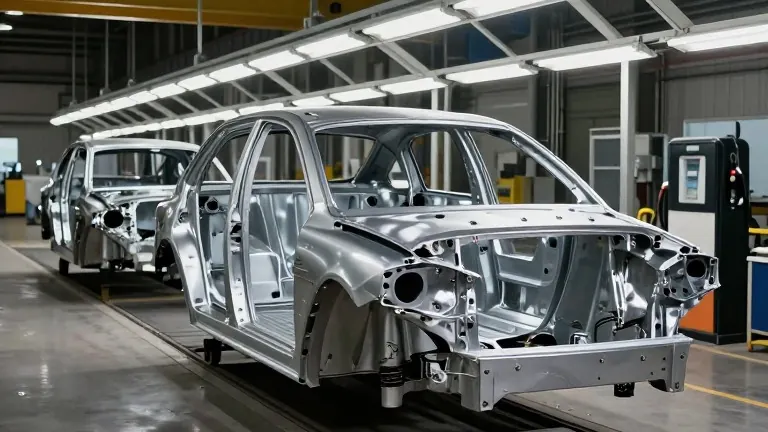
General Motors and Ford are each projecting a $2 billion hit to their earnings this year due to rising costs for raw materials, computer chips, and diesel fuel. The warnings came during third-quarter earnings calls held this week, where executives detailed how input prices are squeezing profit margins even as vehicle sales remain strong.
The cost pressure has built since 2025. The Trump administration imposed additional tariffs on imported steel, aluminum, and copper. These metals form the structural frame and wiring of vehicles. Global demand for copper has also surged due to the growth of electric vehicle batteries and data centers. Meanwhile, computer memory chips have become more expensive as supply chains tighten amid high demand from the artificial intelligence sector.
Logistics costs have added to the strain. The average price for a gallon of diesel has hovered around $6.35, just below the all-time high set in September. High fuel prices increase the cost of shipping parts across the U.S. and Canadian borders, a route that many vehicle components traverse multiple times during production.
GM CFO Paul Jacobson stated that material costs, including chips and diesel, could reduce the company's profits by up to $2 billion this year. He noted that GM is also paying roughly $2.5 billion in tariff costs, a figure lower than earlier forecasts due to refunds. Ford CEO Jim Farley confirmed a similar outlook, saying that commodities, memory, and logistics costs represent a year-over-year headwind of about $2 billion. Ford CFO Sherry Ann House said that growth in software services and parts is helping to offset these expenses.
Stellantis CEO Antonio Filosa described the rising prices for memory chips and raw materials as an industry-wide phenomenon. Executives at the company, which owns Chrysler and Jeep, said they would provide detailed information on these specific costs in the fourth quarter.
Despite these headwinds, consumer demand for large vehicles remains solid. GM reported a 9% rise in light-duty truck sales over the past year. Stellantis saw U.S. pickup sales jump 34%. Ford's F-Series continues to lead its sales lineup. The average new vehicle transaction price reached just over $50,000 in September, near a record high. House told investors that customers have remained resilient despite higher fuel prices, interest rates, and inflation.
The next scheduled step for investors is Stellantis' fourth-quarter report, where the company will break down the specific financial impact of the material cost increases.
More Business · Rip-Off Report · Report a business · Got a Story?