Gig Economy Shifts Brazil Election
Rising abstention and a move away from traditional industrial jobs are complicating the path to the presidency for both major candidates.
By Jason Kovalenko ·
Thirty-three million Brazilians abstained from voting in this month's first round, marking the highest level of non-participation since 1998. This massive turnout gap is now the defining challenge for the presidential run-off scheduled for this Sunday. The statistic underscores a deep disconnect between the electorate and the political establishment, setting the stage for a contest that may hinge on voter confidence rather than traditional party loyalty.
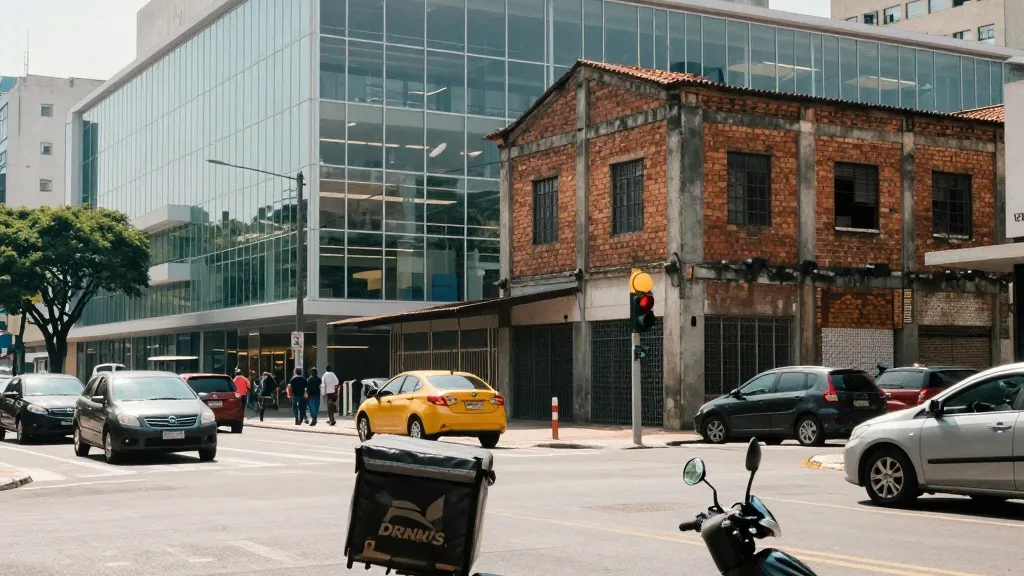
The shift in voting behavior is closely tied to a fundamental change in how ordinary Brazilians earn a living. In Osasco, a city once known for heavy industry, factories have given way to shopping malls and technology hubs. Gilberto Almazan, a metalworkers' union leader, describes this transition as a severe deindustrialization. He notes that the traditional working class that supported left-wing politics has largely dissolved into a workforce of drivers, couriers, and small traders. Almazan argues that these new workers value flexibility over the collective welfare systems that historically anchored the left.
Richard Lapper, a biographer of both major political figures, suggests that Brazil industrialized late and deindustrialized quickly, making the economic transition particularly sharp. He characterizes the current situation as a crisis of expectations. Although unemployment is at a record low and the country has been removed from the UN's Hunger Map, many citizens feel the pinch of high prices, household debt, and interest rates. This sentiment has led some long-time supporters of President Luiz Inácio Lula da Silva to question his administration's management of the economy.
Flávio Bolsonaro, the right-wing challenger, is positioning himself as a candidate of change. He has proposed cutting government spending and reducing the number of ministries while retaining some of Lula's key welfare programs. However, his candidacy is complicated by corruption allegations that he denies. His appeal is strong among those who feel the current status quo is stagnant, including a 53-year-old civil servant who cites heavy taxes and a hot dog seller who believes nothing has improved since Lula returned to office.
Lula's campaign is working to counter this narrative by mobilizing large crowds for street rallies. The team claims that one event in São Paulo drew approximately one million people, a claim supported by widely shared aerial footage. Lula, who is 80 years old, has also taken to social media to push back against concerns about his age and vitality. He has branded himself the king of selfies to project energy and relevance to a younger electorate.
The impact of these changes varies by income level. Among the poorest voters, Lula's welfare record remains a powerful motivator. In Maré, a large favela in Rio de Janeiro, Lula still secured a victory despite above-average abstention rates. Vitoria, an 18-year-old mother earning under £300 a month, cites the minimum wage increase and free essential medicines as key reasons for her support. She remains wary of Bolsonaro's plan to classify the Comando Vermelho gang as a terrorist organization, fearing a repeat of the police raids in Rio that killed more than 130 people last year.
Religious institutions are also playing a growing role in the political landscape. Evangelical churches, which serve about a quarter of the population, are providing services like childcare and food assistance. Pastor Silas Malafaia, who is under investigation for alleged obstruction of justice, emphasizes that Flávio Bolsonaro shares the church's values on family and abortion. This alliance is helping to fill the void left by traditional political parties. As Almazan fears, there may never be another Lula, and the final outcome will depend on whether voters believe he can offer a new and convincing story for the country.
The coming days will reveal if the fragmented working class coalesces around one candidate or if the high abstention rate continues to sway the result. Both sides are aware that the traditional bases of support are eroding. The contest is no longer just about ideology but about who can best address the anxieties of a workforce that has changed shape faster than its political leaders could adapt.