Bulldozers clear Hebron homes as Netanyahu orders major West Bank push
Israeli forces began demolishing structures near a checkpoint attack site while the Prime Minister vowed a military campaign unmatched since 1967.
By Jason Kovalenko ·
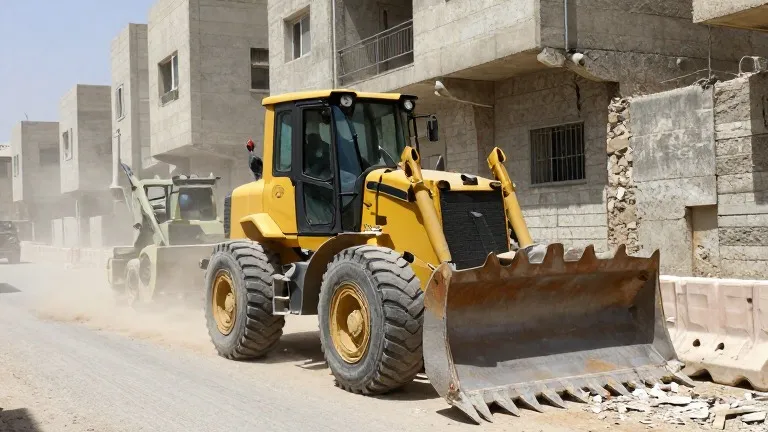
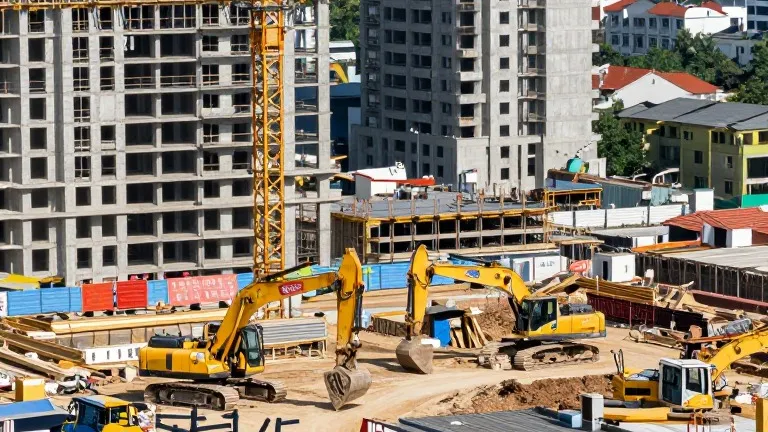
Israeli military bulldozers began leveling homes in a Hebron neighborhood on Friday afternoon, following a shootout at a nearby checkpoint that left two soldiers dead and three wounded. Prime Minister Benjamin Netanyahu used the incident to announce a sweeping military operation in the occupied West Bank, describing it as the most extensive action since the Six Day War of 1967.
Speaking from the attack site in a televised address, Netanyahu stated the government would demolish the area to change it completely. He compared the planned scope to last year's assault on two northern West Bank refugee camps, which displaced tens of thousands of residents. Human Rights Watch characterized those prior expulsions as war crimes, a claim Israel rejects.
The immediate response to the checkpoint attack has intensified a trend of violence and land seizures in the region. The United Nations Human Rights Office for the occupied Palestinian territory described the current situation as a new level of dehumanization for Palestinians. Israeli forces have also implemented widespread closures in Hebron, the most populous city in the West Bank, adding to the roughly 925 checkpoints and barriers that restrict movement across the territory.
The timing of the announcement aligns with Israel's national elections scheduled for October 27. Polls indicate a tight race between Netanyahu and his main rival, Gadi Eisenkot, with neither candidate currently holding enough support to form a government alone. Analysts suggest the scale of the military response is designed to project strength to voters rather than to serve a long-term strategic plan.
Danny Citrinowicz, a senior researcher at the Institute for National Security Studies in Tel Aviv, noted that Netanyahu is positioning himself as the primary security figure for the election. He argued that harsh measures are intended to demonstrate protection of the Israeli public. Citrinowicz labeled the eviction of families from the attackers' neighborhood, where no evidence links them to the gunmen, as collective punishment.
B'Tselem, an Israeli human rights group, urged foreign governments to intervene to prevent another wave of ethnic cleansing and war crimes. The organization emphasized the need for international attention as the physical alterations to the Hebron neighborhood proceed.
Citrinowicz suggested that preventing future attacks requires giving hope rather than imposing collective punishment. He advocated for arresting those planning attacks while simultaneously supporting residents who seek a peaceful life with economic stability and basic needs met.