2,500 Yazidi Fighters Join Iraqi Army as Sinjar Integration Begins
Baghdad moves to formalize state control over the district, drawing sharp criticism from regional authorities who argue the process bypassed critical coordination.
By Thiago Kovalenko ·
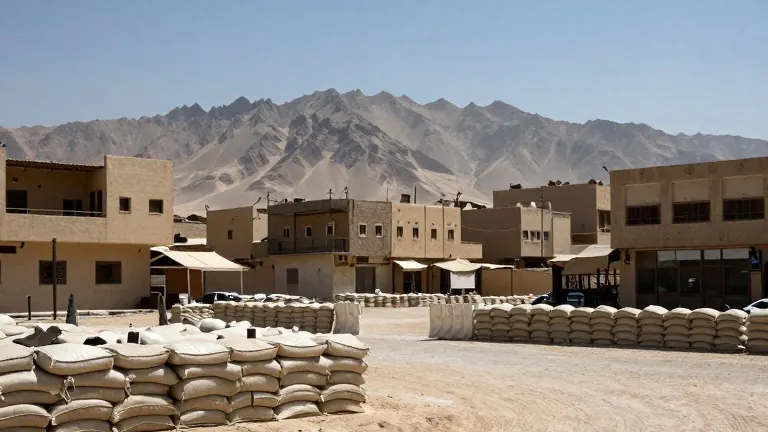
Baghdad officially integrated the Sinjar Resistance Units into the Iraqi state on Monday, marking the end of a decade-long standoff in the northern governorate. An estimated 2,500 local fighters from the Yazidi-led group are now expected to join the national security forces. The ceremony concluded a process announced last month by Prime Minister Ali Faleh al-Zaidi. He proposed the measure after meeting with a delegation from the Yazidi Cause Alliance, led by MP Murad Ismael. Ismael confirmed that implementation began immediately on Monday. He stated that Iraqi Army units took control of positions on Mount Sinjar that had previously been held by the resistance group. He added that lists of names were handed over to the state to facilitate the integration into various security branches.
The dispute over Sinjar’s governance dates back to 2014, when the Islamic State carried out a genocide against the Yazidi minority. The conflict killed at least 5,000 people and resulted in the abduction of thousands of women and girls. The Sinjar Resistance Units, which have links to the Kurdistan Workers' Party, were formed in the 2000s to protect this community. They mobilized in August 2014 to fight the Islamic State. Following the conflict, the Kurdistan Regional Government’s Peshmerga forces retook Sinjar city in 2015. The Baghdad-backed Popular Mobilization Forces took control of the southern part of the district in 2017. Despite these shifts in military control, political fights between competing armed factions have continued to destabilize the area.
The recent integration has triggered immediate friction with the Kurdistan Regional Government. The KRG interior ministry voiced concerns on Tuesday. Interior Minister Reber Ahmed argued that Baghdad should have implemented the UN-backed 2020 Sinjar agreement. That deal was designed to remove non-state actors from the governorate. Ahmed told reporters that steps taken without consultation with the KRG would not produce good results. He asserted that the current approach would not restore stability or allow displaced Yazidis to return home. In response, the Iraqi government defended its authority. Spokesman Sabah al-Numan stated that the measures are entirely subject to Baghdad’s jurisdiction. He described the reorganization as part of a vision to reinforce the rule of law and regulate weapons under federal security institutions.
Analysts view the situation as a proxy conflict driven by regional powers. Sinjar-based journalist Ahmad Shingali described the struggle as a clash between the ruling Kurdistan Democratic Party and other Yazidi, Sunni, and Shia factions. He noted that the conflict is primarily driven by the interests of Iran and Turkey. Turkey has historically opposed the presence of the resistance units due to their ties to the Kurdistan Workers' Party. However, Ankara initiated a peace process with the PKK in October 2024. This shift allowed Turkey to accept the integration of the group. Mehmet Alaca, a senior adviser at Babil Research, said Turkey supports the integration of armed groups into state institutions. He added that the main concern for Ankara was the presence of external cadres rather than local forces. The Turkish Ministry of Defence announced on Wednesday that it welcomed Iraq’s efforts to strengthen state authority in the district.
Major administrative and humanitarian challenges remain after the military integration. The district has lacked a mayor since the 2023 provincial elections due to political disputes. The Nineveh Provincial Council recently opened a nomination window to fill the vacancy. Spokesman Numan said the government is working with local authorities to select a competent administration that enjoys consensus. He stated that Baghdad has plans for economic development and the reconstruction of Sinjar. The goal is to establish security and service conditions that facilitate the return of displaced families.
Thousands of residents still live in camps within the Kurdistan Region. An August report from the International Organization for Migration and the UN Refugee Agency found that 89,709 people, mostly Yazidis, remain displaced. They have not returned home due to security concerns, weak governance, and a lack of compensation. Yazidi activist Mirza Dinnayi, founder of the House of Coexistence in Sinjar, said the extent of the government’s resolve remains unclear. He stated that future success depends on the political will of all partners. He emphasized that the government must raise no concerns of exclusion toward other local actors. Former MP and Sinjar district mayor Mahma Khalil said the people of Sinjar should be compensated and their homes rebuilt. He called for the establishment of an administration in accordance with the Iraqi constitution. The government aims to resolve the administrative stalemate and address the plight of the displaced to restore normalcy to the district.