Qatar Funding Suspected in Israeli Election Vote Surge
Shin Bet probes claims that foreign money flowed through terror channels to boost Arab voter turnout to 80%.
By Tyler Khalil ·
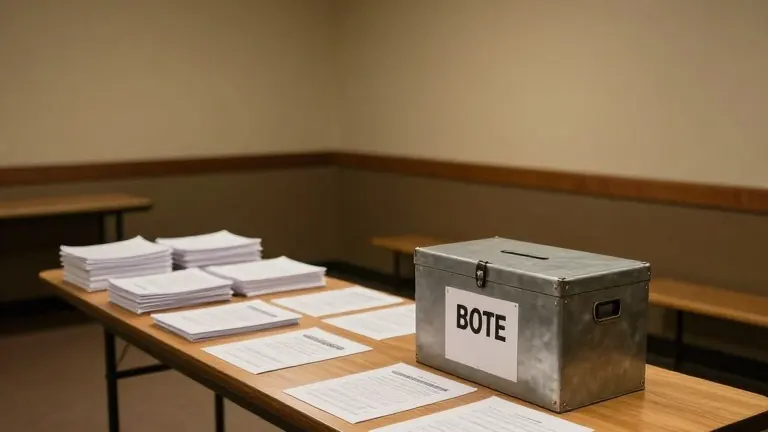
Israeli security officials are investigating allegations that Qatar funded a surge in voting among Israeli-Arab citizens during the October 27 national election. The Central Election Committee Chairman, Justice Noam Sohlberg, ordered the internal security agency, the Shin Bet, to look into serious suspicions of improper influence through foreign funding. The probe follows reports that money intended to boost turnout moved through channels previously used to transfer terror financing.
The election saw a sharp jump in participation for Israeli-Arabs. Turnout reached 80%, a figure that is double the roughly 40% recorded in previous elections. As a result, estimates suggest that Ra’am and the Joint List, the two major Israeli-Arab parties, will secure 19 seats in the Knesset. That total would be an all-time high, more than doubling the current number of Arab members, which stands at 10.
The investigation gained momentum after detectives in the Southern District arrested four activists from the Ra’am party. They were detained on suspicion of election bribery. Officers found tens of thousands of shekels in the homes of the suspects, along with ballots and envelopes marked as gifts from the Islamic movement. Election observers in several Arab communities reported seeing voters carrying fuel vouchers and gift cards. Some voters told officials they received these items in exchange for voting for Ra’am.
Likud party officials have described the incident as a coordinated nationwide operation involving ballot manipulation and bribery. They link the activity to groups associated with the Islamic movement. Ra’am serves as the political wing of the Southern Branch of the Islamic Movement in Israel, a group historically inspired by the Muslim Brotherhood. Mansour Abbas, the head of Ra’am, had previously predicted a strong showing for Arab parties. In August, he said the parties would put Israeli democracy to a test. Abbas has also referred to Hamas as a charity rather than a terror group.
The scandal comes against the backdrop of ongoing regional tensions. Qatar, which has been a major financier of Hamas, denies that it funneled money to Israeli-Arab voters. Despite the denial, the Shin Bet is focusing its inquiry on the state. The agency is required to submit its findings to the Central Election Committee within one week of the order.
The discovery of potential foreign interference has prompted calls to review the validity of the votes cast. While the overall election results appear to favor Benjamin Netanyahu’s coalition, the scrutiny could nullify part or all of the Israeli-Arab vote. Netanyahu’s party has labeled the situation the Ra’amgate affair, calling the potential impact an earthquake. The outcome of the Shin Bet report will determine whether specific districts or parties face a recount or other legal challenges.
The timeline of the controversy began with the voting process on October 27. On October 28, journalists published reports questioning the integrity of the count. By October 29, the Central Election Committee had formally requested the security probe. The next step is the submission of the Shin Bet report, which is due by mid-November 2026. Until that document is released, the final composition of the Knesset remains subject to potential legal adjustment based on the findings of the investigation.