Tehran Families Abandon Savings as Food Costs Reach 168 Million Rials
A new survey reveals that inflation nearing 90 percent has forced households to ration protein and eliminate discretionary spending, leaving the government's food voucher covering less than 18 percent of essential costs.
By Thiago Kovalenko ·
The cost of feeding a family of three in central Tehran has climbed to more than 168 million rials ($61.70) as of September 2026, according to data from the fact-checking outlet Factnameh. This figure represents a basket of 11 essential food items, which now costs 56 million rials ($20.70) per person. The financial strain is so severe that the government’s food voucher, valued at 10 million rials ($3.67), covers less than 18 percent of the per-person cost. This is a sharp drop from its coverage of about 30 percent in December 2025.
The spike in prices coincides with annual inflation reaching 89.9 percent in September. For many residents, the monthly wage of approximately $100 is barely enough to cover basic needs, forcing a reevaluation of spending priorities. The pressure on household budgets has intensified following the war launched by the United States and Israel on February 28, which damaged infrastructure and disrupted trade. A US naval blockade of Iranian ports has reduced oil exports and imports, while attacks on the Strait of Hormuz have hindered shipping. In August, the US Treasury initiated a new sanctions campaign labeled "Economic D-Day" to further isolate Tehran financially.
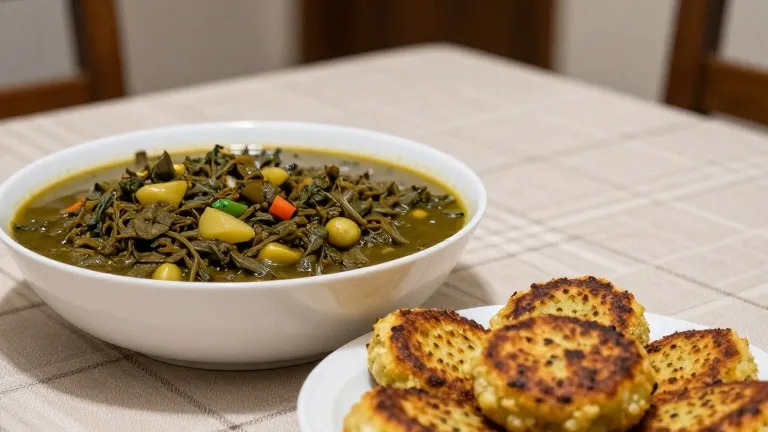
Households are altering their dietary habits to cope with the rising costs. A Radio Farda field survey in central Tehran found that families are deciding which necessities to forgo. Cooking at home has become significantly more expensive; preparing chicken and barberry now costs nearly twice as much as it did a year ago. A meal of ghormeh sabzi, the national herb stew served with rice, now costs 23 million rials ($8.45). Potato patties, known as kookoo sib zamini, run about 4 million rials.
One woman in Tehran reported that her family now reserves most meat and chicken for their growing children. Her husband and she consume legumes and meat substitutes instead. She expressed fear that further price increases will eventually force the family to cut meat from the children's meals as well. The shift away from protein is a common theme among respondents, with many trading traditional dishes for cheaper alternatives to stretch their budgets.
The impact extends beyond food to housing and leisure. A newly married woman who asked to remain anonymous said her wedding savings were diverted to a housing deposit. She now works two shifts to repay a loan, leaving little time for rest. "Our home has turned into the place we just sleep," she said. She noted that every morning she feels poorer than the day before. Her experience mirrors a broader trend where middle-class activities such as travel and dining out are being abandoned.
Central bank Governor Abdolnaser Hemmati acknowledged the "heavy burden" on Iranians on October 23. He stated that efforts to isolate the country's economy had failed to achieve their main objective. However, the data suggests that the financial isolation has taken a tangible toll on daily life, with the rial continuing its steady decline.
Even those with higher incomes are feeling the pinch. A middle-aged man in western Tehran, who earns a billion rials ($367) per month from his salary and rental income, said he has no savings for the future. His household income is well above the Tehran average of 600 million rials ($220), the highest in the country. "I can live for today, but I have no savings for tomorrow," he said. Travel and dining out have disappeared from his routine.
A 28-year-old woman earning 400 million rials ($147) a month changed how she socializes to manage costs. She and her friends, who used to visit cafes weekly, now split one dish between two people. Sharing meals is often the only way to afford an outing. A retired woman living on a 180 million rial ($66) monthly pension has also cut back on meat and other major protein sources since March. She worries about her health but considers herself fortunate to be free of rent payments.
The January protests, driven largely by hardship, were met with a deadly crackdown by authorities. The economic conditions that fueled that unrest have worsened since the conflict began. With inflation nearing 90 percent and essential costs rising, the gap between the cost of living and available wages continues to widen for working families across Iran.
More Business · World news · Rip-Off Report · Report a business · Got a Story?