Senate GOP balks at clock change bill
Republican senators are blocking a House-passed measure to make daylight saving time permanent before clocks fall back this weekend.
By Jason Kovalenko ·
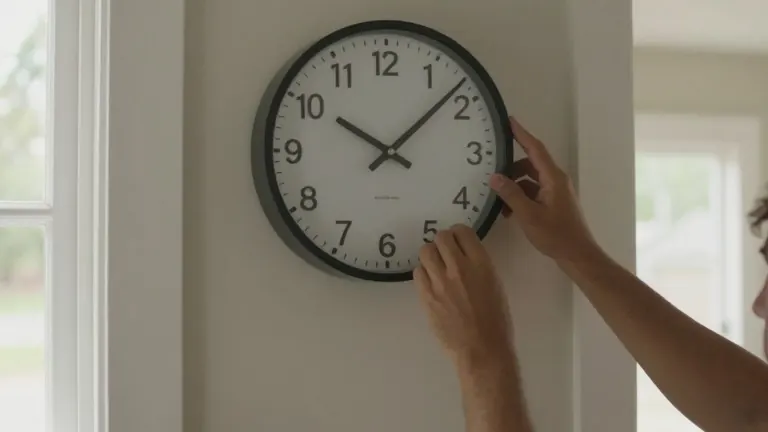
The Senate will not vote on a House-passed bill to make daylight saving time permanent before lawmakers return from the Nov. 3 midterm elections, leaving the twice-yearly clock change in place as it ends early Sunday. Several Republican senators are holding up the measure, and Senate Majority Leader John Thune has not spoken publicly about it, though he has voted against similar versions before.
Sen. Tom Cotton of Arkansas, a member of GOP leadership, is the most vocal opponent. "No one likes changing the clock, me included, but Congress has enacted permanent Daylight Savings Time multiple times before and repealed it each time once Americans experienced absurdly late sunrises in the winter," Cotton said. South Dakota Sen. Mike Rounds raised a similar objection: "You'd be sending kids to school in the dark." Sen. Bernie Moreno of Ohio was asked this month whether the bill would pass the Senate soon and replied, "No way." Sen. Todd Young of Indiana said it is his understanding that the House bill is a "non-starter" for Senate Republican leaders.
President Donald Trump has pressed Senate Republicans to pass the bill. Earlier this month he posted Cotton's personal cellphone number on social media and wrote "GET IT DONE!" and "CRIMINALS DON'T LIKE WORKING IN THE LIGHT." Trump renewed the call this week on Truth Social, writing that "United States Senate is letting the Daylight Saving Bill die, when a vast Majority of the Country want it." Cotton has not changed his position in response.
The winter of 1973, amid an energy crisis, Congress passed a law instituting permanent daylight saving time for a trial period. It was repealed that October as public support dropped, partly over concern for children walking to school in the dark. An AP-NORC poll last year found 12% of American adults favor the current system, while almost half oppose it. The American Medical Association and American Academy of Sleep Medicine support a single time.
Sen. Rick Scott of Florida signed legislation as governor in 2018 allowing the state to stay on daylight saving time year round pending federal approval, and has led efforts in the Senate to make that happen. "I hear from Americans constantly that they are sick and tired of changing their clocks twice a year," Scott said. Sen. Ed Markey of Massachusetts said when Scott introduced his own bill last year: "Let's say goodbye to 4pm winter sunsets." Several Democrats back the change.
Clocks fall back an hour early Sunday. Supporters say a permanent shift would provide more afternoon daylight; opponents say commuters in some states would not see the sun until after 9 a.m.