San Diego homeowners lose water conservation discounts in January
Low-use single-family homeowners will see their monthly costs rise by roughly $6, while high-use customers may pay $20 less under the new structure.
By Jason Kovalenko ·
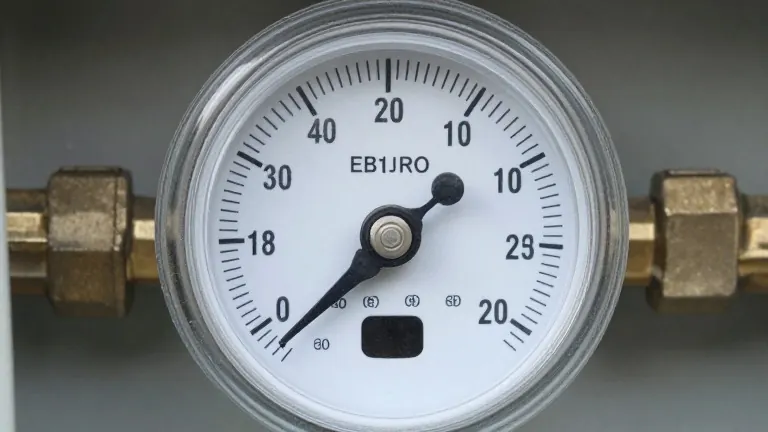
Starting in January, San Diego single-family homeowners will pay water bills based on a flat rate structure that replaces the city’s previous tiered system. Under the new rules, customers who conserve water will pay more per month, while those who use more water will pay less.
The San Diego City Council approved the modified rate structure on Tuesday by a vote of 6-2. The change follows a lawsuit filed in 2015 that challenged the legality of charging different prices based on consumption levels. The city lost the case and is now responsible for a $40 million settlement.
City officials stated they disagreed with the court's ruling but were legally bound to implement a valid structure. A staff member presenting to the council noted that the city is required to have a structure the court deems valid despite their internal disagreement with the outcome.
The previous system rewarded conservation by charging lower rates for low-use customers, such as those with water-efficient landscaping. High-use customers, including those with pools or large yards, paid higher rates. The new system eliminates these tiers and charges customers solely based on the amount of water they use.
Council member Sean Elo-Rivera expressed frustration during the vote, calling the change a penalty for conserving water. He stated that the imposed structure feels like a punishment for doing more to save resources.
The city estimates the average monthly bill for a low-use single-family customer will increase by about $6. Conversely, the bill for a high-use customer is expected to decrease by $20. This shift coincides with a separate water rate increase that was previously approved and is also set to begin in January.
Residents in the drought-prone region have reacted with mixed feelings to the change. Isabel Jordan, a local resident, noted that while she initially favored equal rates for all, she understands the logic behind incentivizing efficient water use given the region's frequent water shortages.