Everett Transit merger faces tax hike and vote questions
A proposed interlocal agreement would fold Everett Transit into Community Transit by April 2027, increasing bus routes by 50% while raising local sales taxes by 0.6%.
By Jason Kovalenko ·
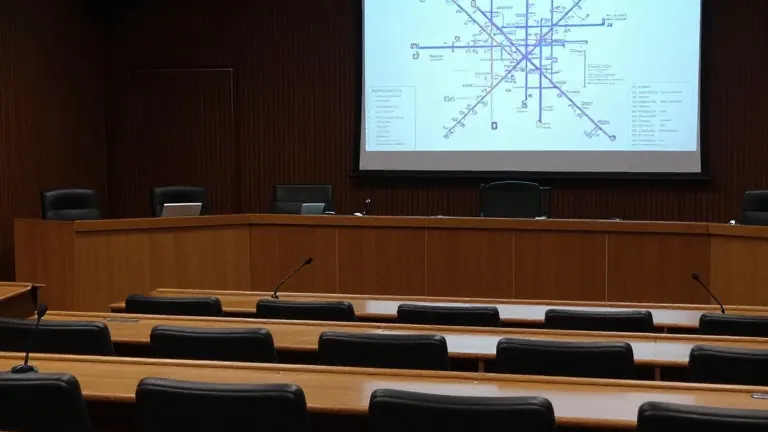
The City of Everett and Community Transit will vote this week on an interlocal agreement that merges the two transit agencies. If both boards approve the deal, Community Transit’s regional system will absorb the independent Everett Transit network effective April 1, 2027.
The agreement commits Community Transit to increase bus services in Everett by 50% through 2031. It also adds a Zip microtransit zone in spring 2028. All current Everett Transit staff will transfer to Community Transit with retained employment.
The merger requires a 0.6% increase in Everett’s general sales tax. This adds to Community Transit’s existing 1.2% regional transit sales tax, making the combined rate one of Washington’s largest sales tax increases for the year. Shoppers in Everett would pay six cents more in tax for every $10 spent on eligible purchases.
Public reaction to the proposal has been sharply divided. At the Oct. 28 City Council meeting, nearly 40 residents spoke for more than an hour and 40 minutes. Supporters, many wearing shirts that read Better Together, cited improved travel options. Juan Garcia, a carpenter’s union member, said apprentices need dependable ways to reach job sites and training centers.
Opponents raised concerns about the tax burden and employee seniority. Kari Mack, an Everett Transit vehicle operator, noted that having a job is not the same as keeping the seniority and working conditions earned over decades. Residents also questioned the lack of a public ballot, a change enabled by a state bill introduced by Sen. Marko Liias, D-Edmonds.
City Attorney Ramsey Ramerman told the council the agreement is too complicated for voters to assess easily. Council Vice President Paula Rhyne disagreed, stating that city voters are educated and like to understand details before voting. June Schober, a grassroots supporter, argued the merger would make Everett more economically competitive.
Everett Mayor Cassie Franklin included the consolidation in her Oct. 21 budget address, citing a need to demonstrate passenger volume to secure federal funding for Everett light rail stations. Sabina Araya, Everett Transit’s Assistant Director, countered that the agency’s own long-term plan projects sustained expansion without an immediate tax hike, with a 0.9% voter-approved rate in 2030 funding approximately $180 million in capital needs through 2045. The City Council votes at 6:30 p.m. on Nov. 4, and the Community Transit board votes at 3 p.m. on Nov. 5.
More Business · Rip-Off Report · Report a business · Got a Story?