Rats and squirrels strip Southern California gardens of freesia corms
Urban wildlife expansion forces gardeners to rethink protection for bulbous plants as droughts and fires push animals into residential areas.
By Tyler Khalil ·
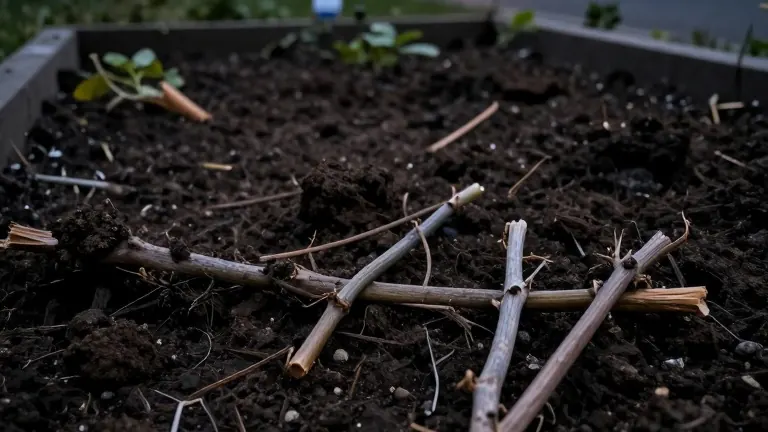
Hundreds of freesia corms vanished from a Huntington Beach front yard over a two-year period, consumed by urban wildlife that targeted the plants during day and night. Dena, a local resident, reported that the damage began when a squirrel ate corms during the day and a group of nocturnal mammals, including a rat, opossum, raccoon, and possibly a skunk, stripped the remaining sections at night. The smaller corms that survived the initial feeding were dug up and bitten in half, leaving the gardeners with a patchy and weakened collection.
The situation escalated after Dena relocated the surviving corms into pots in her backyard to protect them from daytime foragers. This move failed to stop the depredation. Last year, an unidentified nocturnal creature began cutting down the new shoots without consuming them, leaving only a half-inch of stem above the soil. The plants spent weeks regenerating the cut growth only to be mowed down again during the night. This cycle repeated for months, draining the energy of the mature corms until they were nearly exhausted by the end of the growing season.
The culprit for the specific cutting behavior is the rat. Rats possess incisor teeth that grow continuously throughout their lives. If these teeth are not constantly sharpened, they can curve into the animal's upper jaw or skull or curl into the roof of its mouth. Crisp new plant shoots provide the necessary resistance to file the teeth down. This explains why the rat cut the freesia stems but did not eat them, a behavior consistent with how the animal handles other food items like lemon peels.
Dena identified a practical solution based on years of experience. She uses a standard rat trap baited with a half-inch to three-quarter-inch piece of a Slim Jim meat stick, leaving the wrapper attached. The scent and texture of the fermented meat stick effectively lure the rodents, allowing gardeners to control the population without complex equipment.
The surge in urban wildlife in Southern California is linked to recent droughts and fires. Animals that previously inhabited hills and canyons have moved into human surroundings as their natural habitats shrink. This shift has made interactions between residents and wildlife more frequent and often more intrusive than in the past.
Squirrels have also become more bold in residential areas. In one instance, an eastern fox squirrel named Seymour entered a living room through an open front door and was chased out with a broom. This species, recognizable by its reddish-brown fur and bushy tail, has a long history in Los Angeles. Disabled Civil War veterans brought fox squirrels as pets to the Sawtelle Veterans' Home in west Los Angeles. These animals, which live up to 20 years in captivity compared to four in the wild, established a lasting population in the region.
The presence of these animals in gardens and homes is no longer an anomaly. Gardeners are increasingly finding that their plants are at risk from creatures that are adapting to urban life, requiring new strategies for protection and coexistence.