Nvidia CEO's Viral Moment Boosts Microduck Sales to 20,000 Units
A brief demonstration of waddling robots at a major tech conference has turned a niche open source device into a potential holiday phenomenon.
By Jason Kovalenko ·
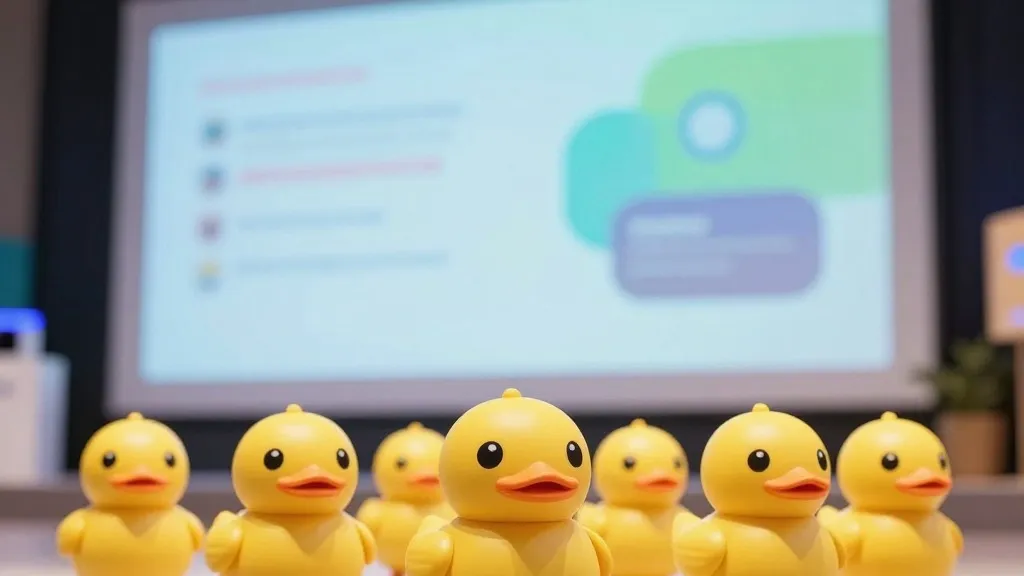
Jensen Huang, the chief executive of Nvidia, recently captured the attention of the tech world not with a new chip architecture or a complex neural network diagram, but with a group of small, yellow robots. During the keynote address at the GTC Berlin conference earlier this week, Huang took the stage to interact with a flock of Microducks. The video of the event has since spread rapidly across social media, showcasing the robots as they waddle, perform somersaults, and mimic the sounds of the astromech droid R2-D2 from the Star Wars franchise.
The immediate market reaction to the viral footage was substantial. By the day following the conference, preorders for the Microducks had surpassed the 20,000 unit mark. Clem Delangue, a representative from Hugging Face, confirmed these sales figures via a tweet, noting the unexpected surge in interest. The robots are designed to respond to voice commands, allowing users to instruct them to sit, stand, or even fall over as if taking a nap. These behaviors, combined with their endearing physical appearance, have resonated with audiences far beyond the typical consumer electronics demographic.
With delivery scheduled for the Christmas season, the Microducks are positioned to become one of the most sought after gifts of the holiday year. Delangue has suggested that these devices could finish as the best selling robots of the year. Interestingly, he noted that they may not even be primarily for children, as promotional materials feature adults engaging with the robots just as enthusiastically as younger users. This broad appeal suggests the product is carving out a unique niche in the market, appealing to nostalgia and the joy of interactive technology across all age groups.
The Microducks are the product of Pollen Robotics, a company that was acquired by Hugging Face in 2025. Following Nvidia's acquisition of Hugging Face in September of this year, the production of these robots now falls under the umbrella of the GPU giant. This is the second robot developed by the team, following the earlier release of the Reachy Mini, which also featured a cute and approachable design. The lineage of these devices highlights a growing trend in the industry toward creating open source hardware that is both accessible and engaging for a wider audience.
From a technical standpoint, the robots are built on Nvidia's proprietary technology stack. During the development process, simulations of the Microducks were trained to perform basic tricks such as walking, sitting, and standing. These core functions are included in the software that ships with each unit. However, the open source nature of the device allows for significant customization. Pollen Robotics states that owners have the ability to teach their robots new tricks and then share these custom behaviors with the broader community, fostering a collaborative environment around the hardware.
The timing of this viral moment is notable within the context of the broader AI industry. This week has been marked by a series of high profile cyberattacks, with AI involvement being cited as a contributing factor in several incidents. The industry has faced scrutiny and criticism, leading to what some have described as a "scary black eye" for the sector. In the midst of this turbulence, the lighthearted demonstration of the Microducks provided a welcome change of pace for observers and investors alike.
The contrast between the serious challenges facing AI security and the playful nature of the Microducks highlights the dual potential of the technology. While artificial intelligence can pose significant risks to global infrastructure, it also offers opportunities for innovation and entertainment. The video of Huang playing with the robots serves as a reminder that the technology can be approachable and fun, making it easier for the public to connect with the advancements being made in the field.
As the holiday season approaches, the success of the Microducks will be a key indicator of consumer appetite for robotic companions. The device has managed to bridge the gap between a technical showcase and a consumer product, driven largely by its viral marketing moment. For Nvidia, the sales surge reinforces the value of its ecosystem, which now includes not just the hardware that powers data centers, but also the playful devices that bring that technology into living rooms.
Looking ahead, the focus will shift to the delivery of the first batch of units and the subsequent community engagement. As owners begin to train their robots with new behaviors and share them online, the platform effect could further drive interest. The Microducks have already proven that they can captivate an audience, and as more users join the community, the device may become a staple in the holiday toy landscape, representing a new category of interactive, open source robotics.
The story of the Microducks illustrates how a simple product demonstration can transform a niche item into a mainstream hit. By leveraging the charisma of its CEO and the inherent charm of the robots, Nvidia and its subsidiaries have created a narrative that extends beyond the technical specifications. The robots are now more than just open source devices; they are a cultural moment that offers a glimpse into a future where AI is not just a force for industry, but a source of joy for everyday users.