iPod Economics: The 2001 Launch That Defined Storage Value
Apple priced 5GB of flash and hard drive storage at $399 to capture a fragmented portable music market, a move that reshaped consumer expectations for digital media devices.
By Jason Kovalenko ·
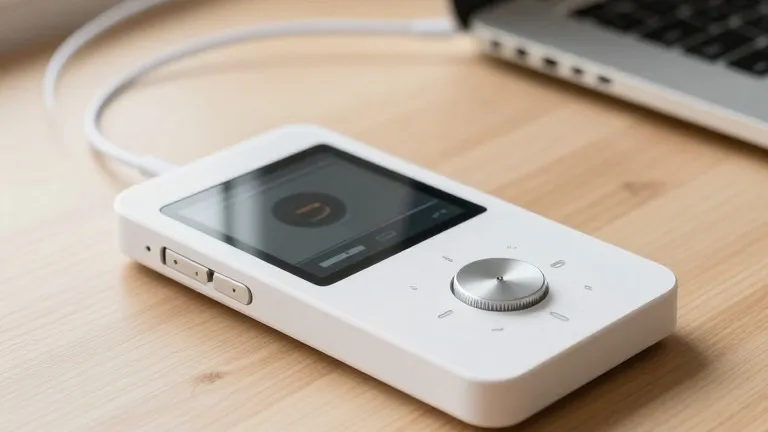
On October 23, 2001, Apple introduced the first iPod for a price of $399.
The device offered 5GB of storage, which held approximately 1,000 pop songs encoded at 160Kbps. Steve Jobs, then the chief executive, described this capacity as the entire music library for most consumers. The pricing strategy positioned the product as a premium entry into a market that lacked a dominant player, despite the presence of competitors like Sony, Creative, and Sonic Blue.
The launch coincided with a recovery period for Apple following the dot-com crash. Jobs had already stabilized the company through the success of the iMac and the Mac OS X operating system. He identified music as the primary target for a new digital hub, noting that while several firms sold portable players, none had yet established a clear market leader in the category. Four distinct player types existed at the time: CD players, MP3 CD players, flash players, and hard-disk jukebox players. Apple selected the hard-disk format as the optimal vehicle for its new device.
The hardware specifications were designed to address specific user pain points regarding size and speed. The unit measured 2.4 by 4 by 0.78 inches and weighed 6.5 ounces, making it lighter than most contemporary cell phones. It utilized a 1.8-inch Toshiba hard drive that was 0.2 inches thick. Jobs emphasized the speed of the FireWire 400 connection, claiming it could transfer the contents of a CD in five to 10 seconds. He contrasted this with USB connections, which typically required five minutes for the same task. Transferring 1,000 songs took about 10 minutes over FireWire, compared to five hours over USB. A lithium-polymer battery provided 10 hours of playback and could reach 80% charge in one hour.
Design and software integration formed the core of the product's market differentiation. The device featured a scroll wheel with a piezoelectric clicker for tactile feedback, allowing users to navigate by playlist, artist, or song. The first track played during the presentation was Sarah McLachlan's "Building a Mystery." Apple released iTunes 2 on the same day to support the new hardware. This software version added MP3 CD burning and automatic synchronization. When connected to a Mac, the device would match the user's curated library and transfer files automatically. It also functioned as a FireWire hard drive for file storage.
The iPod established a benchmark for portable storage value that lasted for a decade. The product line remained active until the release of the seventh-generation iPod Touch in May 2019. Apple stopped maintaining the line after that release and officially discontinued it in May 2022. The original device had coexisted with the iPhone, which launched in early 2007, for more than ten years before the standalone music player became obsolete.
The 2001 introduction marked a shift in how consumers valued digital storage capacity. By bundling 5GB of space with a sleek interface and automatic syncing, Apple set a new standard for portable media. The $399 price point signaled a premium tier for digital content delivery, a strategy that supported Apple's transition from a computer manufacturer to a lifestyle brand centered on digital ecosystems.
More Business · Tech news · Rip-Off Report · Report a business · Got a Story?