A Quarter Century Later, The iPod That Changed Music Still Resonates
Two decades and a half after its debut, the original Apple music player remains a landmark of personal tech history.
By Jason Kovalenko ·
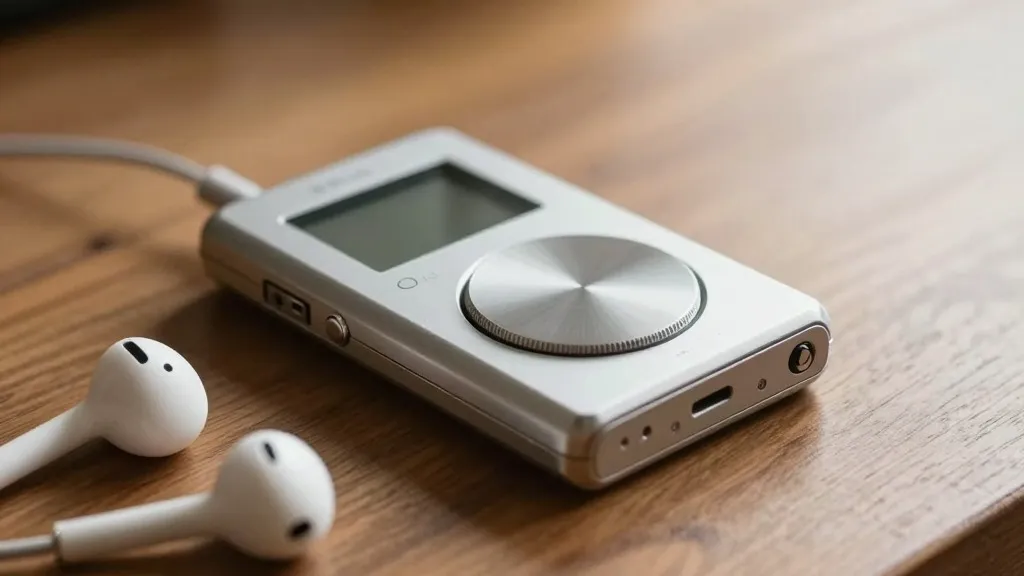
The original Apple iPod marks its 25th anniversary today, a milestone that highlights how a simple pocket device reshaped the way people listen to music. Launched in 2001, the gadget became a cultural phenomenon before smartphones eventually rendered dedicated music players obsolete. At the time, it was the first device to promise an entire music library in your pocket for 399 dollars.
The journey to this moment began in October 2001, when Apple was firmly in a recovery phase after the dot-com bubble burst. Steve Jobs had guided the company into the Mac OS X era with successful iBooks and iMacs. Jobs envisioned the Mac as the hub of a digital lifestyle, connecting cameras, camcorders, and portable players. He identified a gap in the market for a superior portable music solution, noting that existing competitors had not yet found the right formula.
At the unveiling, Jobs teased a breakthrough device that was not a Mac. The four main options available then were CD players, MP3 CD players, flash players, and hard disk based jukeboxes. Apple chose the hard disk approach for its capacity. The new player offered CD quality sound and supported MP3, WAV, and AIFF formats. Its 5GB storage allowed it to hold 1,000 songs, which Jobs described as the entire library for most users.
The physical design was a key selling point, relying on a new 1.8 inch hard drive from Toshiba. The drive was only 0.2 inches thick, enabling the iPod to be the size of a deck of cards. Measuring 2.4 by 4 by 0.78 inches, the device weighed just 6.5 ounces, which Apple claimed was lighter than most cell phones of that era.
Performance features included 20 minutes of skip protection and fast file transfers. The device used a single FireWire 400 cable for charging and data. Jobs highlighted that a full CD could be transferred in five to 10 seconds, a significant speedup over USB connections which took about five minutes. Filling the entire 1,000 song capacity took only 10 minutes, compared to five hours for USB devices.
Powering the device was a rechargeable lithium polymer battery that provided 10 hours of continuous playback. Apple stated that an empty battery could recharge to 80 percent in one hour. The interface featured a scroll wheel with tactile feedback, allowing for one-handed navigation by playlist, artist, or song. The first song demoed on stage was Building a Mystery by Sarah MacLachlan.
The launch also introduced iTunes 2, which included MP3 CD burning and Auto Sync capabilities. This feature ensured that music libraries curated on a Mac were always synchronized with the portable player during charging or transfers. The iPod also functioned as a FireWire hard disk drive.
The first iPhone arrived more than five years later in early 2007. The two devices coexisted for over a decade, but the iPod line eventually faded. The final model, the 7th generation iPod Touch, released in May 2019, was left unmaintained for a few years. Apple officially discontinued the product line in May 2022, closing the chapter on a device that defined a generation.