Fitbit returns to basics with Edge
The new $180 tracker drops smartwatch features like payments to focus on core fitness metrics and a weeklong battery.
By Jason Kovalenko ·
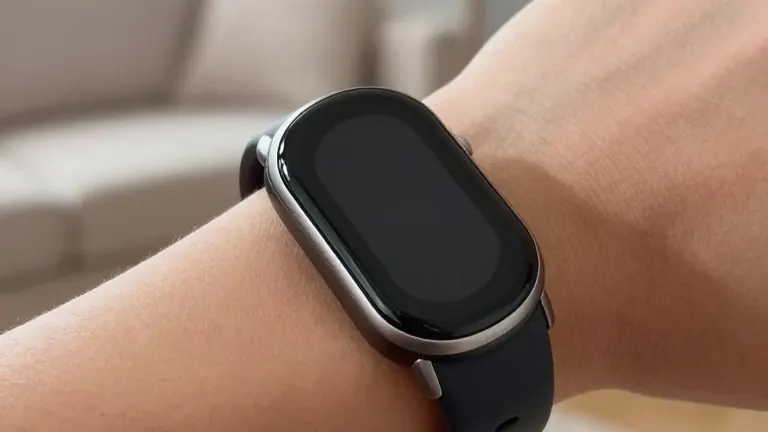
Wearables have grown increasingly complex over the last decade, but Fitbit is stepping back to a simpler model with the new Edge device. The tracker launched this week at a price of $179.99, marking a return to the form factor used in the brand's earlier Charge and Inspire lines.
The device prioritizes core fitness tracking over smartwatch capabilities. It includes built-in GPS for walking and running without a phone, but it lacks microphones, speakers, and contactless payment features. Andy Abramson, head of product at Google Health, stated that less than one percent of previous Charge 6 owners used the payment function. He explained that the team chose to prioritize a sleek design, an altimeter, and a weeklong battery instead.
Battery life is a key differentiator for the new hardware. The Edge runs for about a week on a single charge under normal use. When the always-on display is enabled, that duration drops to roughly a day and a half. The device features a fully rounded display and a physical side button. Users can swap straps via a button-release system, with options including a $150 metal link bracelet and a $60 magnetic silicone strap.
Software changes accompany the new hardware. The standalone Fitbit app has been replaced by the Google Health application. This new platform includes an AI coach available through a subscription. The service costs $10 per month, though buyers receive three months free with the device. Google has also improved automatic activity detection, allowing the tracker to identify workouts without user input.
Testing revealed mixed results for the automatic tracking feature. During a 2.4-mile run, the device correctly identified the transition from a warmup walk to a run. It estimated the distance at 2.55 miles. However, it logged a pace of 10 minutes and 49 seconds per mile. A comparison using an Apple Watch Ultra 4 and a phone app showed an actual pace of 11 minutes and 38 seconds. The discrepancy suggests the feature is useful for logging activity but may not provide precise speed data.
The device also introduces Health Guardian features, which track noninvasive insulin resistance and blood pressure trends. Initial results for these metrics are scheduled for release on November 1. The tracker pairs with both iOS and Android devices. Setup requires agreeing to three mandatory contracts and several optional permissions. Health data used for AI training is disabled by default and requires user opt-in.