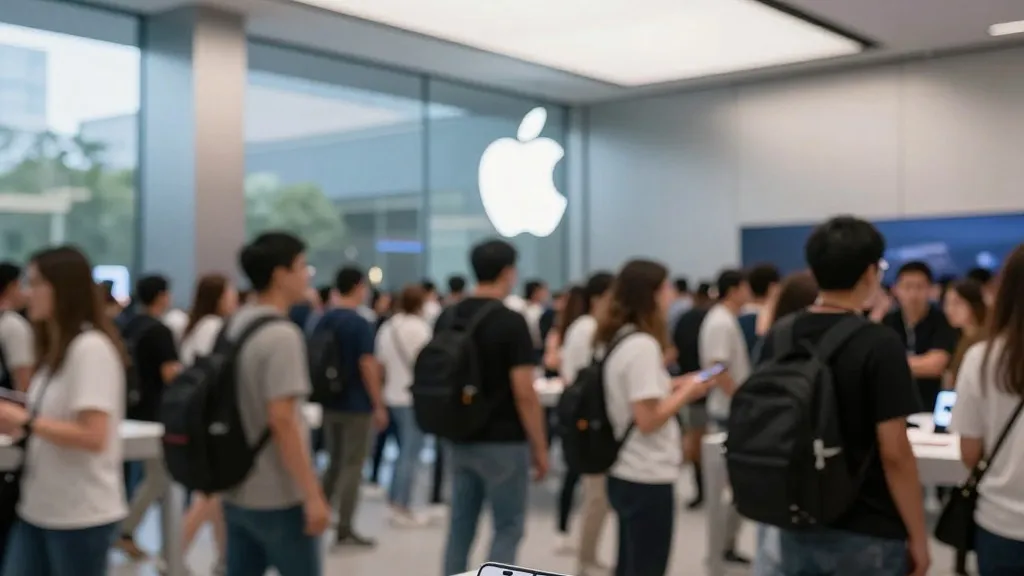
Apple Expands Production: iPhone Duo Shipment Targets Raised to 14 Million Units
Supply chain sources indicate the tech giant increased manufacturing orders by over 40% to meet surging demand for its new folding smartphone.
By Jason Kovalenko ·
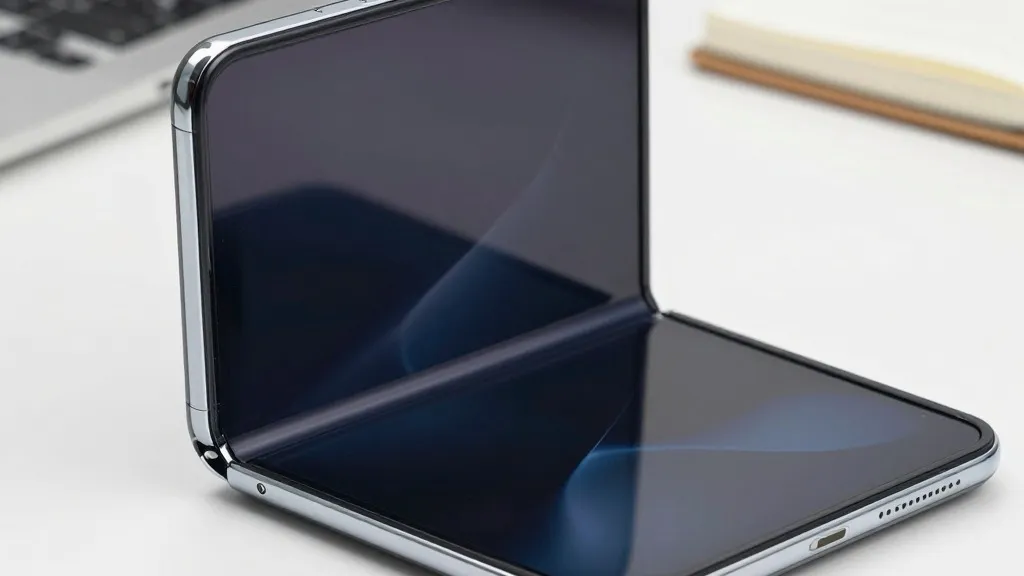
Apple has significantly increased production orders for its newest device, the iPhone Duo, by more than 40 percent. This substantial expansion of manufacturing capacity appears to be a direct response to the strong initial response from consumers. The move aims to address the growing gap between consumer interest and the company's ability to deliver units within standard timeframes.
The decision to ramp up output follows a period of immediate delivery delays that began as soon as pre-orders opened last Friday. Customers quickly reported that their estimated shipping dates had extended, with some waiting until late January for receipt of their devices. At the time, it was difficult to determine whether these delays were caused by a surge in demand or potential supply chain constraints. However, recent reports from supply chain sources point firmly toward high consumer interest as the primary driver.
In an effort to manage the influx of buyers and mitigate the impact of scalping, Apple implemented a policy limiting each customer to a maximum of two orders. The company characterized the initial response as extraordinary, a descriptor it has frequently used during previous new iPhone launches. While the phrase suggests a level of enthusiasm that exceeds typical expectations, the specific mechanisms behind the current demand remain a subject of analysis among industry observers.
According to a report from DigiTimes, based on input from supply chain insiders, Apple is now expecting strong demand to persist throughout the coming year. Consequently, the company has raised its shipment targets for the first twelve months from 9.7 million units to 14 million. This upward revision signals confidence in the device's long-term performance and suggests that the initial sales spike was not a temporary anomaly.
As the first wave of customers begins to receive their devices, several open questions remain regarding the user experience. Early adopters are currently navigating a software ecosystem where third-party applications have not yet been fully optimized for the new hardware. Apple has stated that this situation is improving rapidly as developers adapt their software to the unique form factor of the folding iPhone.
Initial reviews from users who have had the device for approximately one week offer a consistent perspective on its current state. App support is cited as one of the five key takeaways in these early assessments. While the hardware itself is generally well-received, the software maturity of the surrounding ecosystem remains a point of focus for both consumers and developers alike.
Another notable aspect of the initial rollout is the inclusion of Touch ID, which some observers viewed as a step backward compared to previous generations. However, new reports suggest that Apple is already testing prototypes for a second-generation iPhone Duo. These early versions are reportedly incorporating Face ID, indicating that the company is actively working to address user preferences and refine the biometric security features in future iterations.