Oregon farmworkers lack unified data and complaint channels, state report finds
A new analysis reveals that fragmented records and limited agency coordination hinder the tracking of labor standards in the state's agricultural sector.
By Thiago Kovalenko ·
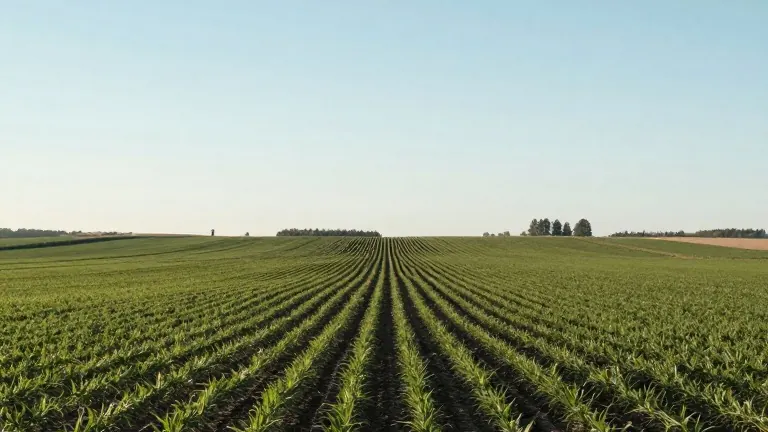
Oregon farmworkers currently operate without a single system to track their working conditions or manage complaints, according to a 75-page report released last week. The document, produced by the Legislative Policy and Research Office, details how the state struggles to monitor the wellbeing of the labor force that supports the region's multi-billion dollar agricultural industry. The study was commissioned under a 2025 state law that required analysts to review how labor standards are administered within the farming sector.
The report identifies a lack of interagency coordination as a primary barrier to enforcement. While agencies such as the Department of Consumer and Business Services, the Oregon Occupational Safety and Health Division, and the Oregon Department of Agriculture handle various aspects of farm labor, their collaboration is described as limited. The findings state that in some areas, state law does not require these agencies to share complaint data. No single framework currently directs how these entities should coordinate on farmworker protections, with interaction occurring mostly through statutory duties and interagency agreements.
Data collection presents another major challenge. Analysts described information on the state's agricultural industry as fragmented, lagged, and incomplete. This makes it difficult to track employment trends, the health of family farms, the performance of temporary visa programs, and the use of labor contractors. In 2022, more than 80% of Oregon farms were family operations with gross cash income under $150,000. The report notes that current metrics must be assembled from separate sources that use different definitions and release schedules.
These findings arrive ahead of a separate report on agricultural overtime scheduled for delivery to lawmakers at the end of November. That upcoming analysis will detail the economic impact of a 2022 state law that phases in stricter overtime rules for farmworkers not covered by federal protections. The current law guarantees overtime pay for hours worked beyond 48 in a week this year. Starting next year, that threshold drops to 40 hours. Lawmakers may revisit the legislation during the 2027 session.
An analysis from Oregon State University published in 2025 suggests the current overtime law has raised hourly wages but reduced total earnings for agricultural employees. Other states, such as Colorado, have set higher thresholds for agricultural overtime, triggering pay after 56 hours of work rather than 40 or 48.
Reyna Lopez, executive director of the farmworker union Pineros y Campesinos Unidos del Noroeste, stated that farmworkers have historically lacked the fair labor and safety standards enjoyed by other workers. She highlighted issues with piece-rate wages, where pay is based on units of work rather than time. Lopez noted in a statement that workers are not paid for breaks, lack collective bargaining protections, and often live in housing without indoor plumbing or cooking spaces.
The Oregon Farm Bureau, which represents farmers and ranchers, viewed the report as an affirmation that farmworkers hold similar rights to other state employees. Jenny Dresler, a spokesperson for the group, argued that the lack of data is not unique to agriculture. She said in a statement that workers in construction, manufacturing, retail, insurance, health care, and lodging also face a regulatory environment with multiple agencies enforcing different laws.
The report does not specify which legal areas prevent agencies from sharing complaints. It emphasizes that while some coordination exists where responsibilities intersect, the absence of a unified directive leaves gaps in enforcement. The state currently relies on individual agency duties and referral processes to handle farmworker issues.