Inland Empire gardeners pivot to fall crops after long heat
Kim Malstrom advises local growers on transitioning from summer produce to cool-season vegetables in Riverside County.
By Jason Kovalenko ·
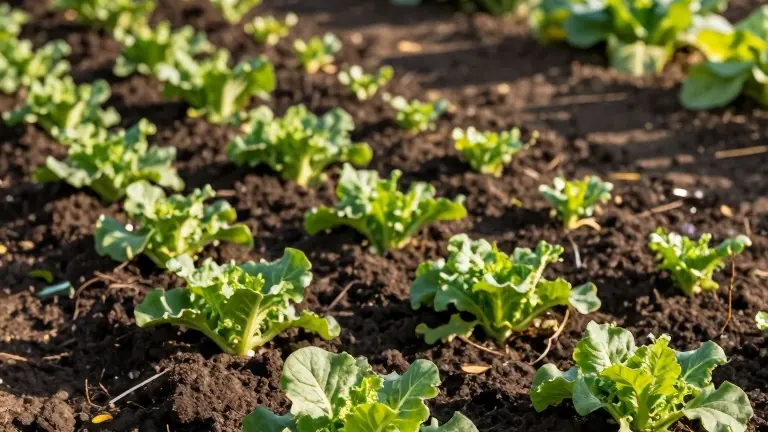
Kim Malstrom, a vegetable garden designer based in Riverside, says the Inland Empire is finally experiencing a break from the prolonged summer heat. She notes that November marks a shift toward cooler temperatures that allow many vegetable crops to thrive with less stress from pests.
Malstrom recommends that gardeners keep healthy summer plants in the ground as long as they continue to produce. She specifically advises against removing tomato plants solely because the calendar has changed to November. If a plant shows signs of disease, the entire plant should be removed. For healthy plants that have finished fruiting, she suggests cutting them at the base rather than pulling them out. Leaving the roots in the soil allows them to decompose naturally, which adds organic matter and supports soil microorganisms.
November is also the optimal time to plant cool-season vegetables. Malstrom lists leafy greens such as lettuce, spinach, Swiss chard, arugula, and kale. Root vegetables including carrots, beets, radishes, and turnips are also suitable for this season. Brassicas like broccoli, cauliflower, cabbage, and Brussels sprouts perform well in the cooler weather. Other recommended crops include celery, snap peas, onions, and garlic. She encourages gardeners to plant herbs such as cilantro, parsley, dill, chives, thyme, oregano, and sage.
For those with limited garden space, Malstrom suggests planting broccoli over cauliflower. Broccoli plants produce smaller side shoots after the main head is harvested, yielding multiple crops from a single plant. Cauliflower generally produces only one main head and occupies garden space for a longer period.
Gardeners should take specific steps to ensure carrot seeds germinate successfully. Malstrom describes a method involving sprinkling seeds over loose soil, lightly working them in, and watering thoroughly. She then covers the area with wet cardboard. The cardboard must be kept moist and checked regularly. Once green leaves emerge, the cardboard should be removed to allow sunlight to reach the seedlings.
Cooler weather does not eliminate garden pests. Malstrom warns growers to monitor for aphids, cabbage worms, slugs, and snails, particularly around new growth. She also advises adjusting irrigation timers. As temperatures drop and daylight hours shorten, gardens typically require less water than they did during the summer months.
Malstrom, who has gardened for 25 years, says fall is a forgiving season for beginners. She suggests starting small with a few vegetables that the gardener enjoys eating. She is available to help beginners with planting schedules and space management through her website kitchengardensbykim.com or on Instagram @kitchengardensbykim.